Executive Summary
- The European Space Agency (ESA) has finalized a launch contract with SpaceX for the ExoMars rover mission.
- The transition to the Falcon Heavy follows the termination of Russia’s Roscosmos partnership due to the Ukraine conflict.
- This shift underscores a broader dependency on commercial US launch providers for European deep-space exploration.
Strategic Deep-Dive
The Shift in Launch Strategy
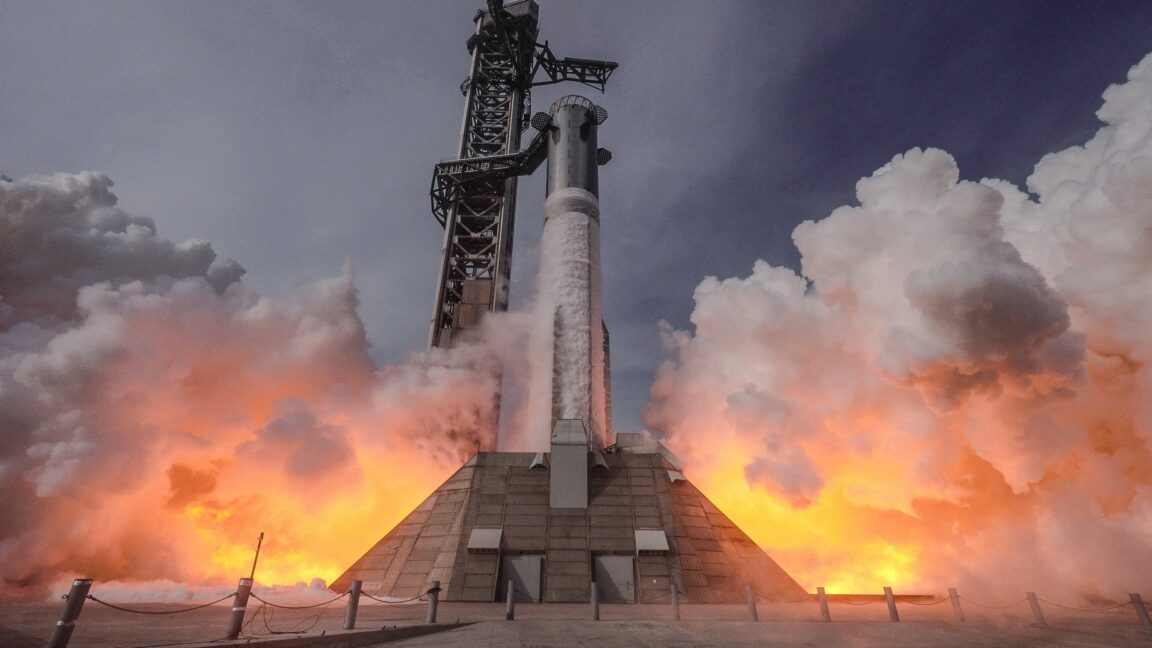
After years of delays and the abrupt termination of the Russian-led Proton launch agreement following the invasion of Ukraine, the European Space Agency (ESA) has successfully secured SpaceX’s Falcon Heavy to deliver the Rosalind Franklin rover to Mars. This move marks the mission’s fourth designated launch vehicle, highlighting the volatility inherent in long-term international space collaboration.
Technical Specifications: The Falcon Heavy Advantage
The SpaceX Falcon Heavy is a heavy-lift launch vehicle capable of placing 63,800 kg into Low Earth Orbit (LEO). For the ExoMars mission, the rocket’s high-energy orbital insertion capability is critical to ensuring the rover reaches a trajectory capable of performing the complex aerobraking and landing sequences required for the Martian surface.
Business Risks and Geopolitical Dependencies
The primary risk factor remains the reliance on non-European launch infrastructure. While the SpaceX contract provides a reliable path forward, it exposes the ESA to the pricing and scheduling priorities of a private US entity. Furthermore, the decoupling from Russian hardware necessitated a complete redesign of the mission’s landing platform, adding significant cost and timeline pressure to the European aerospace industrial base.
Future Outlook
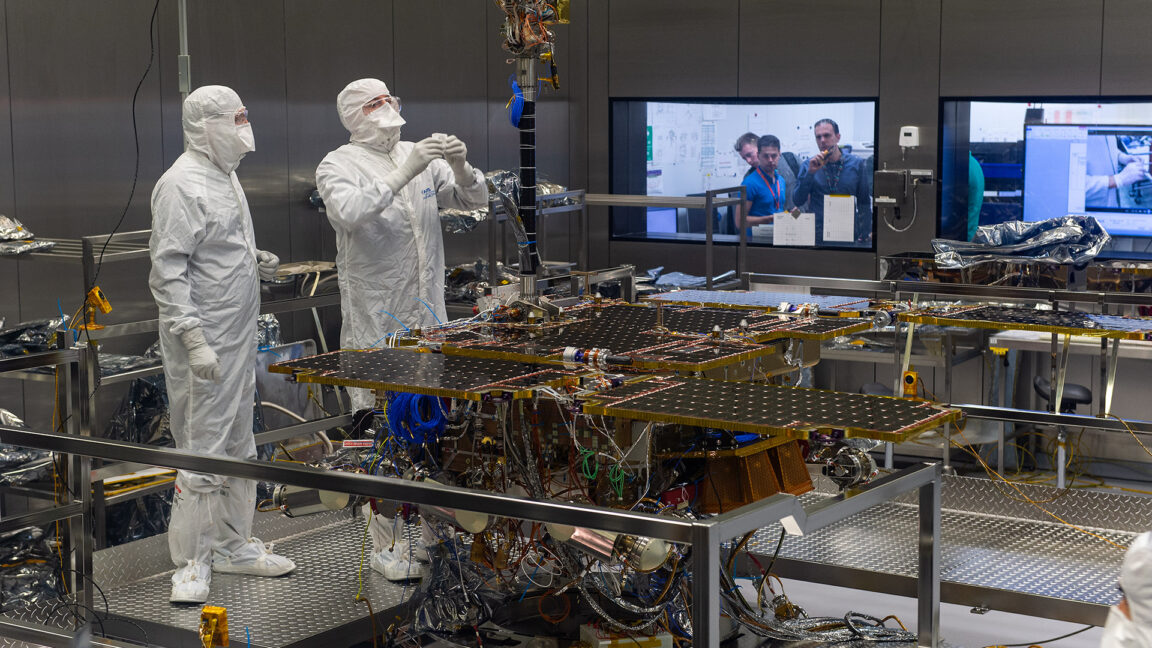
With a launch window now defined by the Falcon Heavy’s manifest, the ESA must focus on the final integration of European-built sensors and autonomous navigation systems. Success here will be a litmus test for Europe’s capability to maintain a sovereign deep-space exploration program in an era of fractured international partnerships.
Strategic Insights
The ExoMars saga confirms a permanent shift in the space sector: national space agencies are increasingly becoming ‘clients’ of private commercial providers. The move to SpaceX is not merely a technical fix; it is a strategic surrender of launch autonomy in exchange for the reliability required to salvage a multi-billion euro investment.