Executive Summary
- Intel is breaking historical precedent by migrating new silicon architectures to its non-Ultra Core lineup.
- The move signals a shift in product segmentation, aiming to revitalize the mid-range and budget segments.
- Strategic pivot likely intended to counter mounting pressure from AMD’s aggressive mobile and desktop APU offerings.
Strategic Deep-Dive
The Technical Shift
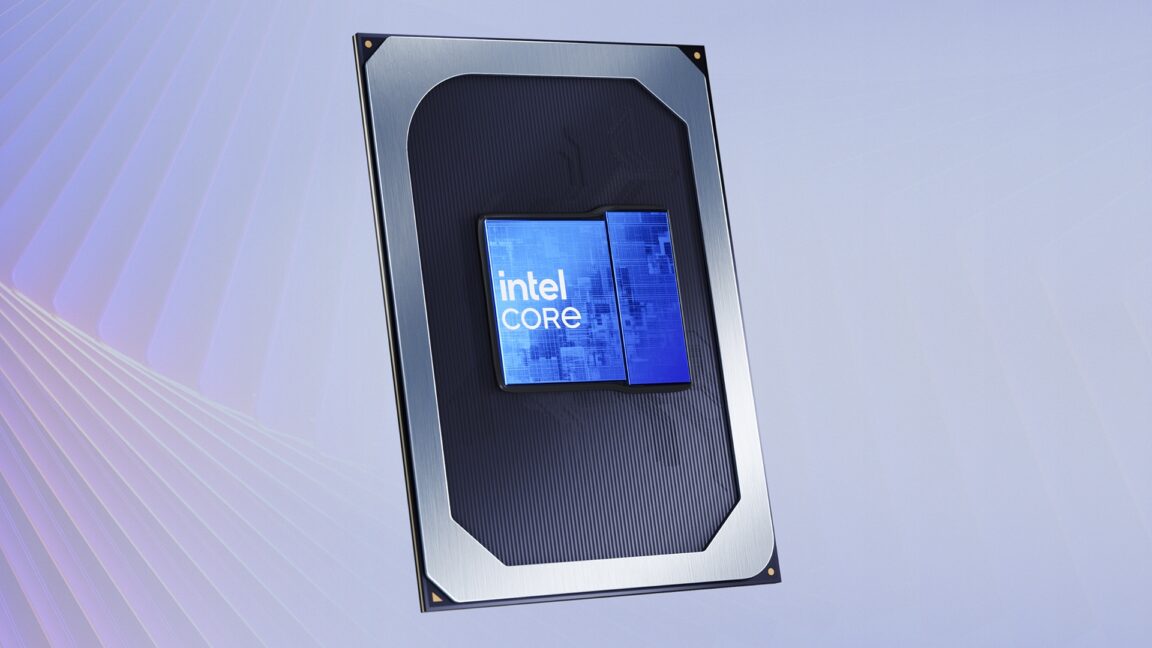
For years, Intel maintained a rigid stratification where cutting-edge process nodes and architectural refinements were reserved exclusively for its flagship ‘Ultra’ or enthusiast-tier processors. The recent refresh confirms a departure from this strategy, introducing new silicon to the non-Ultra Core segment. This marks the first time in several product cycles that the performance-per-watt benefits of Intel’s latest fabrication processes are being democratized across the broader portfolio.
Business Risks
While beneficial for consumers, this strategy introduces significant margin-related risks for Intel. By cannibalizing the ‘premium’ appeal of the Ultra brand, Intel risks diluting its high-end ASPs (Average Selling Prices). Furthermore, the manufacturing complexity required to scale new silicon across a wider range of SKUs poses potential yield challenges if the company cannot balance volume requirements with its foundry capacity.
Future Outlook
Intel’s move suggests a defensive posture against AMD. With the Ryzen 8000/9000 series gaining traction in the mid-market, Intel is forced to abandon its ’trickle-down’ delay tactics. Going forward, the market should expect a flatter performance curve across Intel’s stack, making the entry-level and mid-range segments more competitive, but potentially complicating the value proposition of the Ultra branding.
Strategic Insights
Intel is effectively admitting that the ‘Ultra’ brand differentiation is no longer sufficient to carry the company’s market share in the face of stiff competition. By refreshing the non-Ultra tier with new silicon, Intel is prioritizing market share retention over legacy margin protection—a necessary, albeit painful, adjustment in a commoditizing PC landscape.