Executive Summary
[‘A $5 Bluetooth tracker mailed in a postcard exposed the location of the $585 million HNLMS Evertsen warship for 24 hours. The incident underscores how consumer-grade IoT devices are compromising military operational security.’]
Strategic Deep-Dive
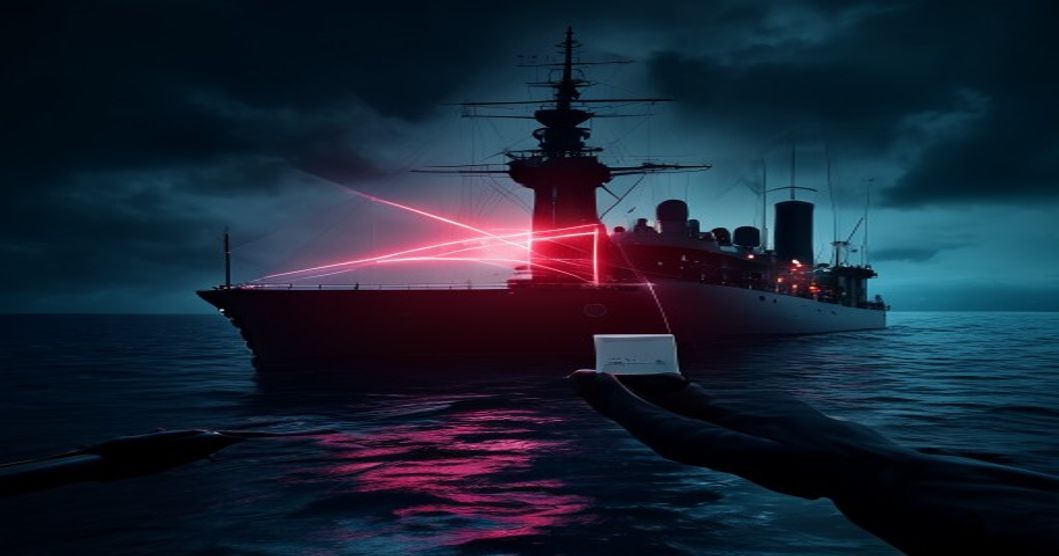
The Dutch air-defense frigate HNLMS Evertsen, valued at $585 million, became a casualty of “Open Source Intelligence” (OSINT) after a journalist successfully tracked the vessel using a hidden $5 Bluetooth device. By following online mail instructions provided by the Dutch Ministry of Defense to family members, a reporter from Omroep Gelderland mailed a postcard containing a generic tracker to the crew. For 24 hours, the frigate’s movements from Crete toward Cyprus were monitored in real-time until the device was discovered during mail sorting.
This incident highlights a growing vulnerability where military op-sec is compromised by civilian electronics. Previous breaches include the exposure of the French carrier Charles de Gaulle’s location via an officer’s Strava running route and the discovery of an unauthorized Starlink terminal—mockingly named “STINKY”—on the weatherdeck of the USS Manchester. These consumer-grade tracking networks, like Apple’s “Find My,” effectively weaponize billions of smartphones into a global surveillance net that military threat models were never designed to counteract.
In response, Dutch authorities have implemented a total ban on electronic greeting cards and increased scrutiny of all inbound mail to prevent adversaries from tracking movements without ever coming into physical proximity of the fleet.