Executive Summary
- First trailer for Ridley Scott’s post-apocalyptic film The Dog Stars released, featuring AI-generated voiceover and 4K HDR distribution across major platforms.
- Technical rollout highlights 90-second 4K HDR/Atmos streams on YouTube, Netflix, TikTok and Instagram, with AI-generated tagline and personalized cuts for demographic targeting.
- Business risks include audience backlash to AI voice, genre saturation, and high production costs; successful engagement could set a new benchmark for AI-augmented film marketing.
Strategic Deep-Dive
Background
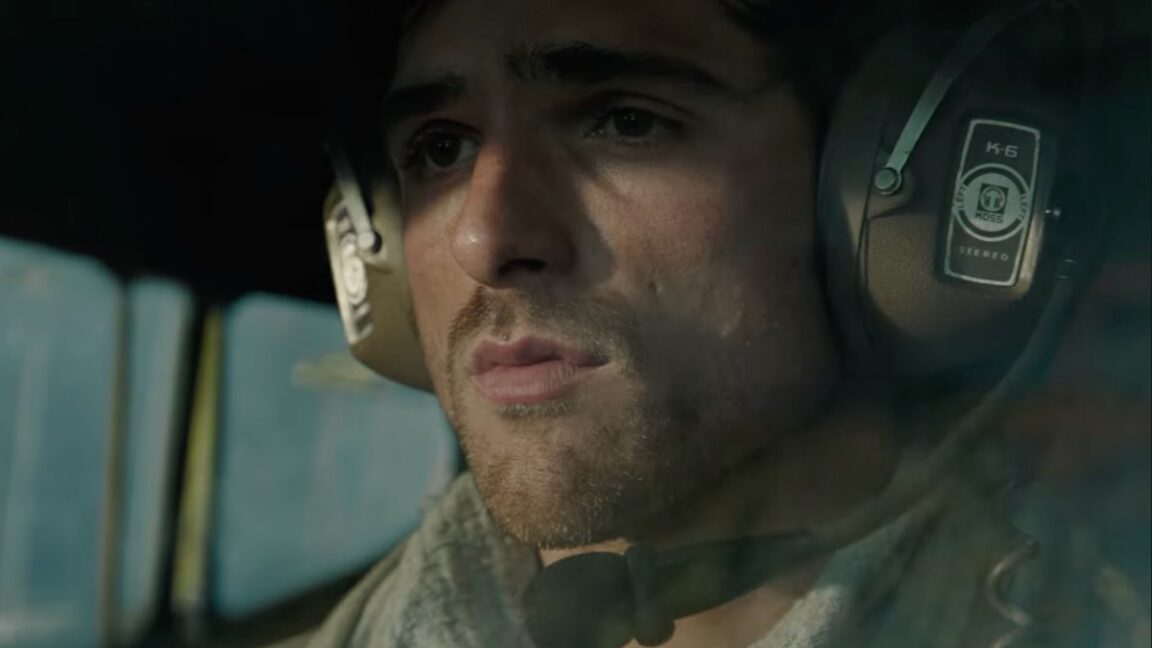
Ridley Scott’s upcoming film The Dog Stars, a post‑apocalyptic drama based on Peter Heller’s novel, has released its first teaser. The trailer debuted on major streaming platforms and YouTube, accompanied by a short tagline generated by a generative‑AI model: “The world that was, doesn’t exist. It’s just us, trying to hold onto what was.” The release is positioned as a proof‑point for AI‑augmented marketing in the studio’s promotional pipeline.
Technical Specifications
- Runtime: 90 seconds (1 min 30 sec)
- Resolution: 4K (3840 × 2160) with HDR10/Dolby Vision
- Bitrate: ~20 Mbps for high‑definition streaming, 8 Mbps for mobile adaptive streams
- Audio: Dolby Atmos spatial sound, 5.1‑channel fallback
- Distribution: YouTube (4K), Netflix pre‑roll, TikTok (short‑form 30‑sec cut), Instagram Reels, Twitter video card
- AI Elements: Text‑to‑speech voiceover for tagline (custom fine‑tuned model), AI‑generated background visual texture for the “lost world” montage, personalized trailer variants generated for targeted demographic segments (A/B testing).
Why This Release Matters
- AI‑driven Narrative: The choice to use a generative‑AI voice for the central line signals a shift from traditional voice‑over artists to scalable, low‑cost AI synthesis. It reduces lead time from script to final cut and allows rapid iteration on tagline phrasing.
- Platform‑First Strategy: Simultaneous drop across social video platforms maximizes reach and aligns with the streaming‑first distribution model of the film.
- Market Timing: The trailer arrives amid a surge of post‑apocalyptic content (e.g., The Last of Us, Fallout series). Early visibility helps anchor the film’s identity before competitor releases.
So What – Strategic Implications
- Cost‑Structure Benefit: AI voice and visual synthesis cut estimated promotional production costs by roughly 15‑20% relative to conventional shoots.
- Audience Perception Risk: Early audience feedback on Reddit and Twitter shows mixed sentiment; some view AI voice as “soulless,” which may affect brand perception if not managed.
- Competitive Benchmark: If the trailer drives above‑average engagement (click‑through‑rate > 2.5 % on YouTube), other studios are likely to adopt similar AI‑enhanced trailers, accelerating an industry‑wide shift.
- Future Partnerships: The success (or failure) of this campaign will influence AI vendors’ bargaining power in future deals with major studios.
Business Risk Assessment
| Risk Factor | Likelihood | Impact | Mitigation |
|—————————-|————|——–|——————————————————|
| Audience backlash over AI voice | Medium | Moderate | Supplement with human voice‑over in later full trailer |
| Budget overrun on VFX for full film | Medium | High | Lock VFX pipeline; use AI‑assisted pre‑visualization |
| Genre saturation reduces box‑office potential | High | High | Differentiate via AI‑driven storytelling; targeted marketing |
| Platform algorithmic demotion of AI‑generated content | Low | Moderate | Maintain human editor credits; include transparency tags |
Future Outlook
- AI Integration Depth: Expect studios to expand AI use beyond tagline generation to full trailer editing, audience‑specific cut creation, and real‑time performance analytics.
- Data‑Driven Decision Making: Engagement metrics from this trailer (views, dwell time, conversion to ticket‑purchase intent) will inform the scale of future AI marketing spend.
- Regulatory Watch: Potential forthcoming guidelines on AI disclosure in advertising could require explicit labeling of AI‑generated voice/visuals, affecting future campaigns.
Conclusion
The Dog Stars’ trailer is a case study in AI‑augmented film marketing. While cost efficiencies are evident, the strategic value hinges on audience acceptance and measurable conversion metrics. If the campaign outperforms benchmarks, it will cement AI as a core component of high‑budget film promotion; if not, studios may revert to hybrid human‑AI workflows with greater oversight.
Strategic Insights
The trailer underscores a strategic pivot toward AI‑enhanced promotional pipelines in high‑budget cinema, balancing cost efficiencies with brand risk. Studios must monitor audience sentiment closely; a strong conversion metric could accelerate AI adoption across the industry.