Executive Summary
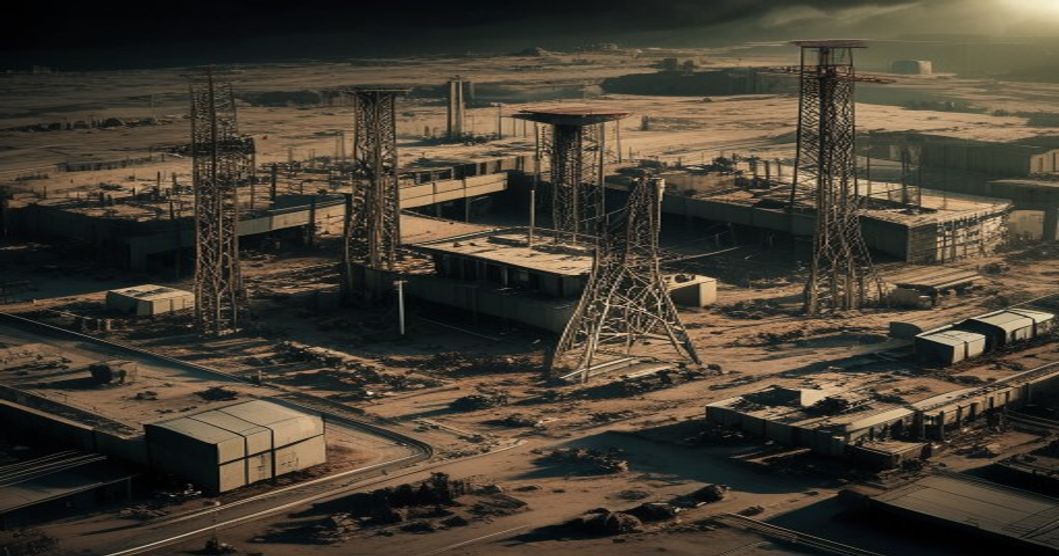
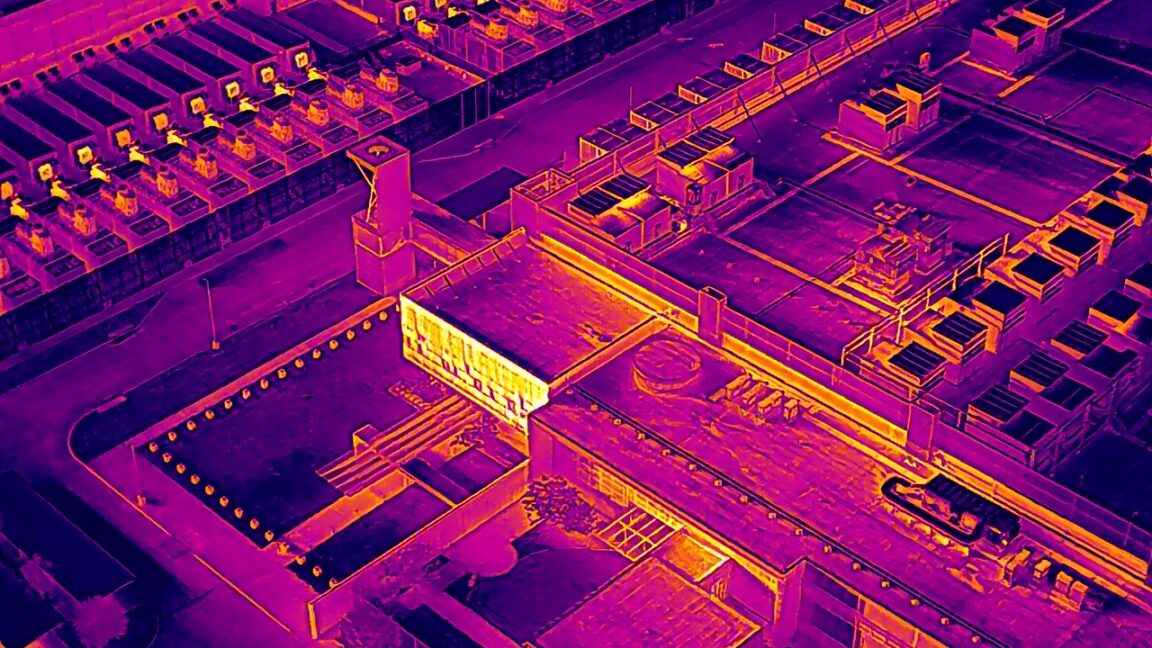
- Satellite and drone imagery confirm significant construction delays across major US data center hubs.
- Grid capacity limitations and local community opposition are creating a bottleneck for AI-driven infrastructure scaling.
- Energy-intensive hardware requirements are forcing hyperscalers to re-evaluate site selection and power procurement strategies.
Strategic Deep-Dive
The Infrastructure Bottleneck
Recent aerial surveillance data indicates a slowdown in the deployment of hyperscale data centers across key US markets. While demand for AI-driven compute remains at an all-time high, the physical manifestation of this growth is colliding with aging utility infrastructure. The delay is not merely logistical; it is structural.
Technical Constraints
Modern AI clusters, defined by high-density NVIDIA H100/B200 deployments, necessitate power loads exceeding 100MW per facility. Current electrical grids in Northern Virginia, Silicon Valley, and Phoenix are struggling to accommodate these requests without significant upgrades to substations and transmission lines.
- Energy Density: Average rack power density has jumped from 10kW to 40kW+, creating localized thermal and electrical strain.
- Grid Interconnection: The queue for grid connection studies has extended by 18–36 months, rendering construction timelines obsolete.
Business Risks
- Capital Expenditure (CapEx) Exposure: Idle construction sites increase carrying costs and delay the ROI on multi-billion dollar deployments.
- Operational Alpha: Delays in commissioning hardware result in missed AI training windows, potentially ceding market share to competitors with more resilient infrastructure.
- Regulatory Friction: Local municipalities, citing environmental impact and noise, are increasingly leveraging zoning laws to stall facility development.
Future Outlook
Expect a shift toward ‘decentralized’ data centers located closer to renewable energy generation sites (e.g., wind/solar farms) to bypass congested urban grids. We anticipate a surge in vertical integration, where hyperscalers invest directly in modular nuclear reactors (SMRs) or private power generation to bypass utility bottlenecks.
Strategic Insights
The ‘AI Supercycle’ is hitting a physical reality check. The primary constraint on AI progress is no longer just GPU availability; it is the fundamental inability of the North American power grid to scale at the pace of silicon. Companies that prioritize energy independence and modular, decentralized infrastructure will outperform those tethered to legacy utility providers.