Executive Summary
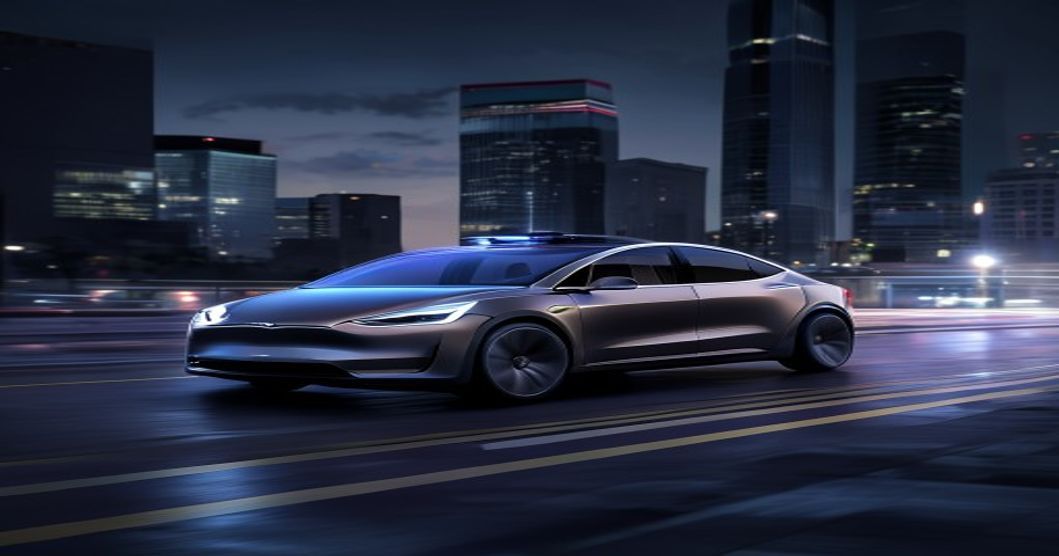
- Tesla has expanded its robotaxi service to Dallas and Houston, consolidating its autonomous operations within the Texas market.
- The expansion follows a successful pilot in Austin and the removal of safety drivers from the fleet in January 2026.
- Texas serves as the primary testing ground for Tesla’s transition from a consumer vehicle manufacturer to a mobility-as-a-service (MaaS) provider.
Strategic Deep-Dive
Operational Expansion
Tesla is aggressively scaling its autonomous ride-hailing footprint, extending service from Austin to the major metropolitan hubs of Dallas and Houston. This move signals a pivot from localized testing to regional dominance, leveraging Texas’s favorable regulatory environment for autonomous vehicle (AV) deployment.
Technical Infrastructure
The fleet relies on Tesla’s end-to-end neural network architecture, which transitioned to a fully driverless operational model in early 2026. By removing safety drivers, Tesla has reached a critical inflection point in its FSD (Full Self-Driving) development, shifting the burden of safety entirely onto its vision-based sensory suite and AI inference engine.
Business Risks
- Regulatory Fragmentation: While Texas is permissive, navigating municipal ordinances in disparate cities presents operational friction.
- Liability Exposure: The transition to driverless operations shifts legal and financial liability for accidents directly onto Tesla’s balance sheet.
- Fleet Utilization: Tesla must balance the demand for robotaxi services with the potential cannibalization of its core consumer vehicle sales.
Future Outlook
Tesla’s strategy appears focused on achieving economies of scale within a controlled geographic zone before attempting a broader national rollout. Success in the Texas ’triangle’ will likely serve as the blueprint for entering more complex urban environments with higher traffic density and unpredictable weather patterns.
Strategic Insights
Tesla is no longer just selling hardware; it is stress-testing a high-margin recurring revenue model. By clustering operations in Texas, Tesla minimizes logistical overhead while generating the high-fidelity training data required to close the gap on competitors like Waymo. The next 12 months will determine if their vision-only approach can maintain the ‘five-nines’ of reliability required for public trust.