Executive Summary
- KTC challenges premium display pricing with a feature-rich 27-inch QHD Mini LED monitor.
- Technical highlights include 1,152 dimming zones, Quantum Dot tech, and a 210Hz overclocked refresh rate.
- The product signals a broader market trend toward high-end display specs moving into the mid-range price segment.
Strategic Deep-Dive
Technical Specifications
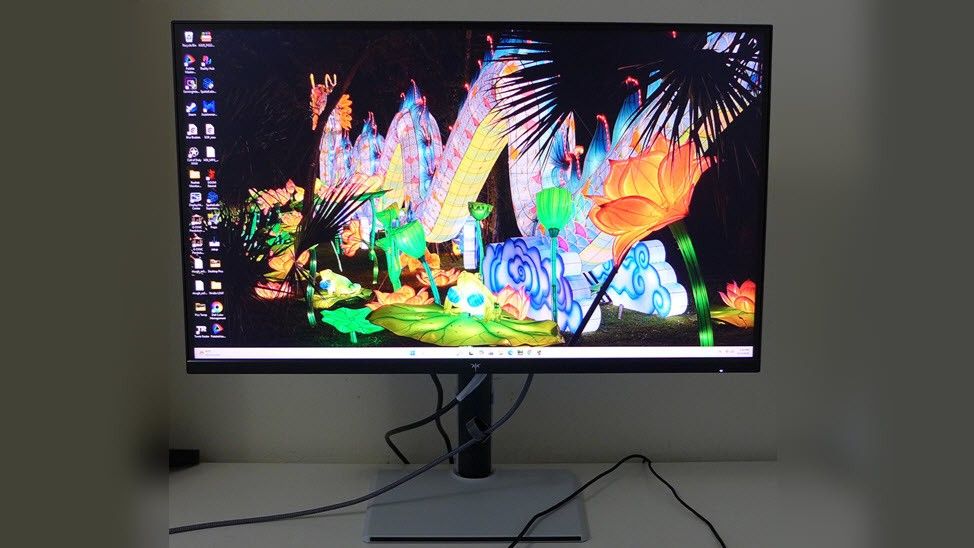
The KTC M27T6S is a 27-inch QHD (2560x1440) panel utilizing Mini LED backlight technology. Key specifications include:
- Backlight: 1,152 local dimming zones.
- Color: Quantum Dot wide color gamut.
- Performance: 200 Hz base refresh rate, overclockable to 210 Hz.
- Sync/HDR: Adaptive-Sync compatibility and HDR1000 certification.
Market Positioning
KTC is aggressively positioning the M27T6S to disrupt the mid-tier monitor market. By integrating 1,152 dimming zones—a feature typically reserved for panels retailing at a significant premium—KTC is leveraging economies of scale in the panel supply chain to undercut established gaming peripheral brands.
Business Risks
Despite the aggressive price-to-performance ratio, the brand faces significant hurdles:
- Brand Equity: KTC lacks the established retail presence and service infrastructure of incumbents like ASUS, Dell, or LG.
- Quality Control: High-density Mini LED arrays often face challenges with backlight bloom and uniformity, which can be inconsistent in lower-cost manufacturing processes.
- Software/Firmware: Firmware stability and HDR tone mapping are frequent pain points for budget-oriented display manufacturers compared to top-tier competitors.
Strategic Insights
The KTC M27T6S represents the ‘commoditization of excellence’ in display technology. As Mini LED manufacturing matures, the barrier to entry for high-dynamic-range gaming is collapsing. For established players, this creates a ‘scissors effect’: they must either lower margins to compete on price or pivot toward proprietary image processing and software ecosystems to justify premium pricing.
We expect a rapid decline in the price of HDR1000-capable displays over the next 18 months, forcing a shift in how monitor manufacturers define value beyond raw hardware specs.