Executive Summary
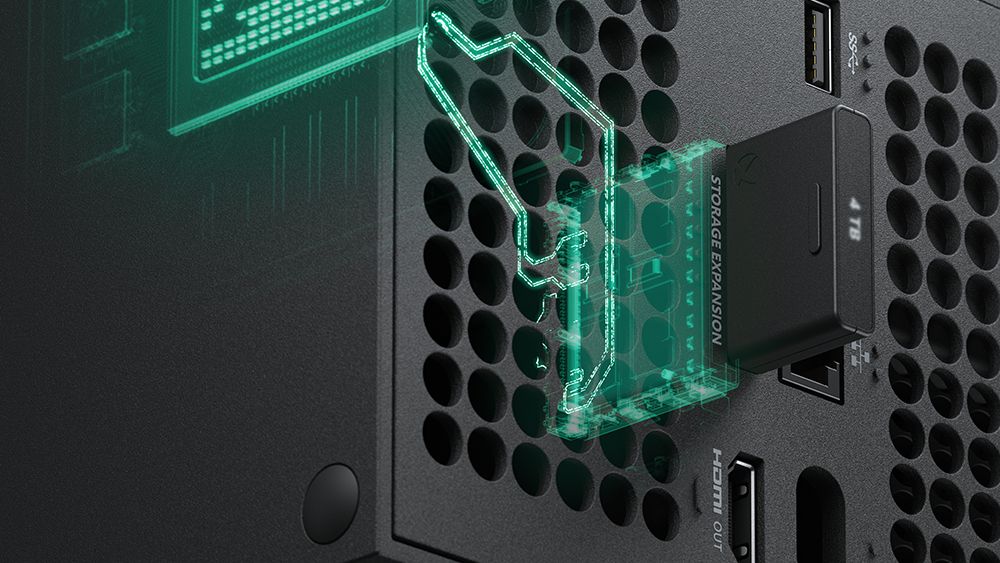
- Xbox expansion cards utilize the standard CFexpress Type-B interface, allowing for cross-platform hardware connectivity.
- Third-party adapters enable PC compatibility, though performance is capped at 1,560 MB/s due to interface limitations.
- The discovery highlights a shift in proprietary storage ecosystems toward broader industry standards.
Strategic Deep-Dive
The Technical Convergence
Recent testing confirms that Microsoft’s proprietary Xbox Series X|S storage expansion cards are physically and electrically compatible with the CFexpress Type-B standard. By utilizing inexpensive PCIe-to-CFexpress or M.2-to-CFexpress adapters, users can mount these drives on Windows-based systems.
Performance Bottlenecks
While the hardware is technically interoperable, users should manage performance expectations. Benchmarks indicate read/write speeds topping out at approximately 1,560 MB/s. While sufficient for many general computing tasks, this falls significantly short of the high-end NVMe Gen4 and Gen5 SSDs currently standard in the enthusiast PC market, which can exceed 7,000–10,000 MB/s.
Furthermore, the cards require manual formatting, rendering them unusable for Xbox consoles once converted for PC use without re-formatting.
Business Risks and Ecosystem Strategy
Microsoft’s reliance on the CFexpress Type-B form factor was a strategic choice to ensure a compact, hot-swappable form factor that mimics console-grade performance. However, the move to proprietary-branded storage usually serves as a high-margin revenue stream. The ability to use these cards on PC—or conversely, to use cheaper third-party CFexpress cards on consoles—threatens the walled-garden pricing strategy Microsoft employs for its storage ecosystem.
Future Outlook
As storage standards continue to converge, the distinction between ‘console-proprietary’ and ‘consumer-standard’ hardware will continue to blur. We expect to see increased scrutiny from consumer rights groups regarding proprietary storage locks, potentially forcing manufacturers to adopt more open, industry-standard protocols in future hardware iterations.
Strategic Insights
This development serves as a reminder that ‘proprietary’ hardware is often merely a repackaging of existing industry standards. While Microsoft benefits from the ease of integration provided by CFexpress, they lose the ability to strictly gate the second-hand or secondary-market utility of these devices, signaling a weakening of the ‘walled garden’ approach to console peripherals.