Executive Summary
- Blue Origin successfully demonstrated first-stage reusability, a critical milestone for cost-efficient heavy-lift operations.
- The mission was compromised by an upper-stage failure, preventing the payload from reaching its target orbit.
- The discrepancy between first-stage performance and upper-stage reliability underscores the complexities of orbital flight vs. atmospheric recovery.
Strategic Deep-Dive
Operational Performance: A Bifurcated Outcome
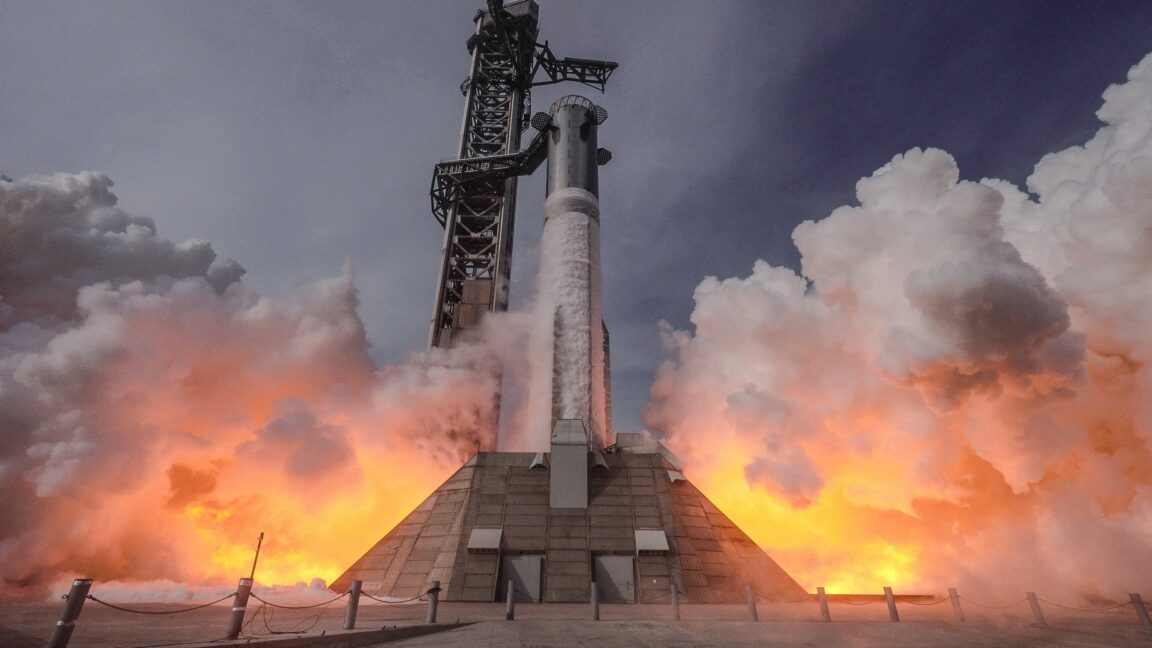
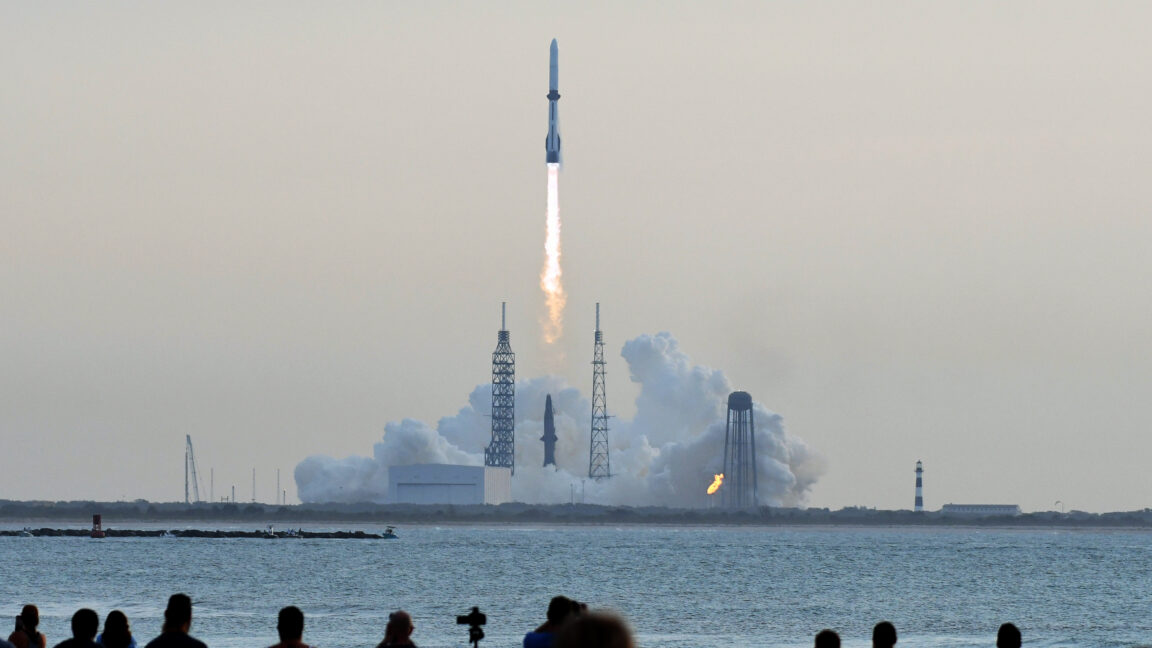
Blue Origin’s recent New Glenn flight test provided a stark contrast in engineering outcomes. The first stage—the primary driver of the vehicle’s economic value proposition—performed as intended, successfully executing a landing and recovery sequence. This milestone validates the company’s investment in vertical landing infrastructure and propulsion reuse.
However, the mission profile was interrupted by an anomaly in the upper stage. While the lower stage provides the high-thrust capacity required to clear the atmosphere, the upper stage is responsible for the complex, high-energy maneuvers required for orbital insertion. The failure of this component suggests lingering issues in either the ignition sequence, propellant management, or structural integrity in a vacuum environment.
Technical Specs & Context
New Glenn is designed as a heavy-lift launch vehicle, competing directly with SpaceX’s Falcon 9 and Falcon Heavy. The vehicle utilizes BE-4 engines, which are also supplied to ULA for the Vulcan rocket. The disparity between the first stage’s success and the upper stage’s failure indicates that while Blue Origin has mastered the high-thrust, atmospheric-heavy phase of flight, the vacuum-optimized phase requires further stabilization.
Business Risks
For Blue Origin, this failure introduces significant schedule and reputational risk. The commercial launch market is governed by high-reliability requirements. A failure to achieve orbit during a test phase delays the transition to commercial payloads and invites scrutiny from current and prospective customers—including NASA and the Department of Defense—who require high mission assurance before committing critical assets to the platform.
Strategic Insights
Blue Origin is attempting to bypass the iterative, ‘fail-fast’ culture of its primary competitor, SpaceX, by aiming for high-maturity milestones. However, this failure proves that orbital mechanics remain unforgiving. The strategic risk is not the loss of the vehicle, but the delay in proving that New Glenn can reliably deliver payloads to orbit, which is the only metric that translates to revenue.