Executive Summary
- Recent battlefield reports and video evidence from the Ukrainian front have exposed a significant technical decline in the Russian-produced replicas of the Iranian Shahed suicide drones. While the ori…
Strategic Deep-Dive
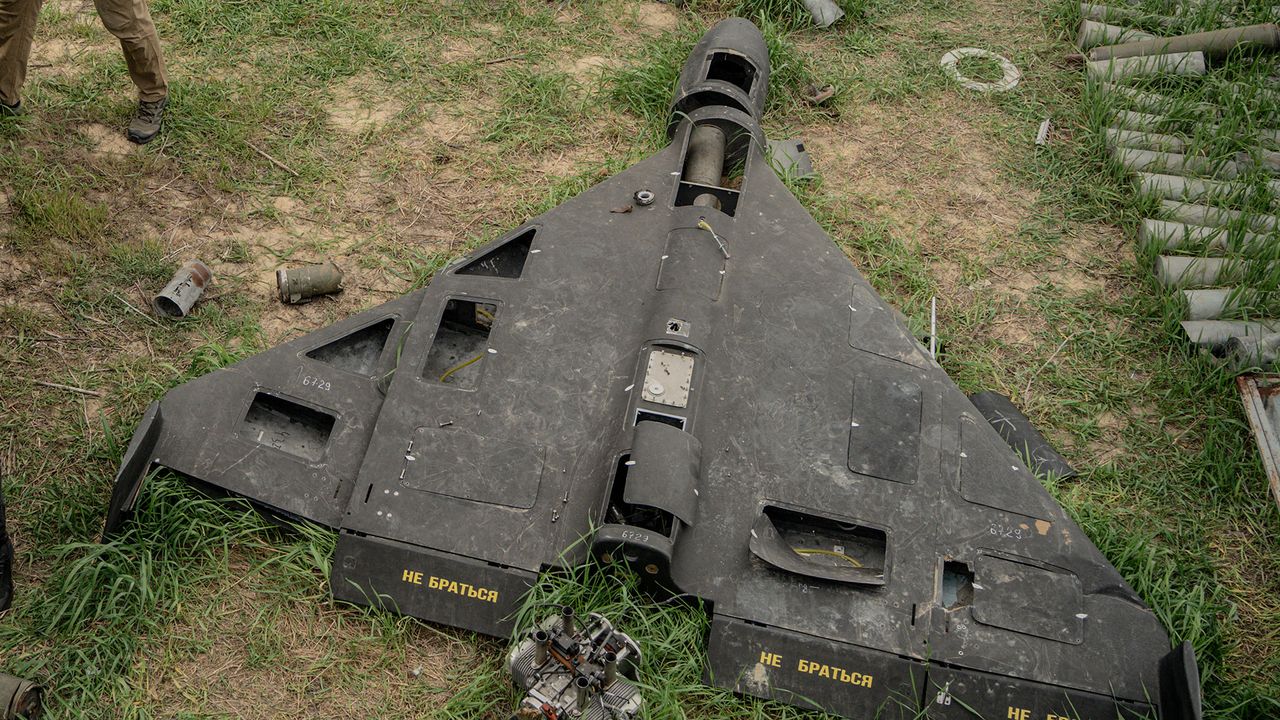
Recent battlefield reports and video evidence from the Ukrainian front have exposed a significant technical decline in the Russian-produced replicas of the Iranian Shahed suicide drones. While the original Iranian designs were lauded for their rudimentary but effective reliability in long-range strikes, the Russian clones, produced through domestic mass-production lines, are increasingly being labeled “flying garbage” by military analysts. Footage captured by Ukrainian Sting interceptor drones reveals these units literally disintegrating in mid-air before reaching their programmed targets.
This structural failure suggests a catastrophic failure in Russian aerospace manufacturing standards, likely exacerbated by the pressure to maintain high-tempo production quotas despite international sanctions. The shift from importing ready-made Iranian units to domestic assembly has apparently hit a bottleneck of quality control. Experts point to the use of substandard materials and a lack of rigorous stress testing as the primary reasons for these mechanical collapses.
The vibration and thermal stresses of long-distance flight appear to exceed the structural integrity of the Russian-made airframes, which are reportedly assembled using lower-grade composites and fasteners than the original specifications. This degradation of hardware not only compromises tactical strike success rates but also reveals the deep-seated industrial fatigue within Russia’s military-industrial complex as it attempts to bypass supply chain restrictions for critical components.