Executive Summary
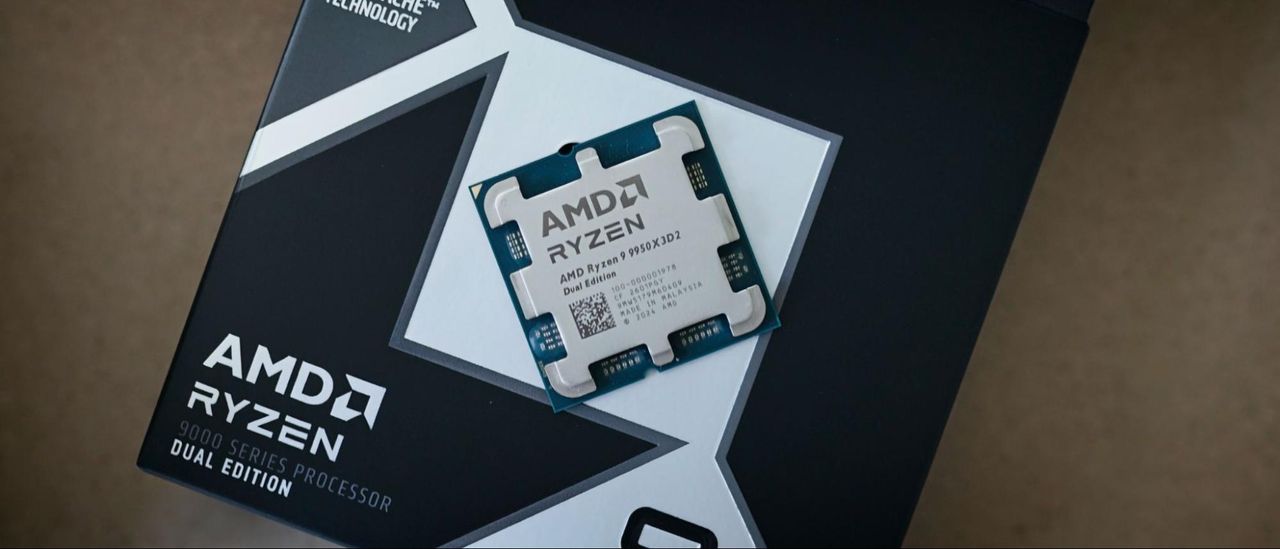
- The AMD Ryzen 9 9950X3D2 marks a significant evolution in the company’s 3D V-Cache strategy, moving beyond the foundational success of the 5800X3D and 7950X3D. By refining the vertical interconnects between the Zen 6 cores and the massive L3 cache buffer, AMD has achieved a breakthrough in reducing memory latency. This results in “specialized improvements” that are particularly evident in complex simulation software and frame-time consistency in AAA gaming.
Strategic Deep-Dive
The AMD Ryzen 9 9950X3D2 marks a significant evolution in the company’s 3D V-Cache strategy, moving beyond the foundational success of the 5800X3D and 7950X3D. By refining the vertical interconnects between the Zen 6 cores and the massive L3 cache buffer, AMD has achieved a breakthrough in reducing memory latency. This results in “specialized improvements” that are particularly evident in complex simulation software and frame-time consistency in AAA gaming.
However, the manufacturing complexity of this dual-die stacking process has led to what analysts describe as a “kick in the gut” pricing model. The Ryzen 9 9950X3D2 is no longer positioned as a standard flagship, but as a premium specialty component for those whose revenue depends on extreme cache throughput. As silicon yields for high-density stacked chips remain a challenge, AMD’s pricing reflects both the R&D costs and the scarcity of such specialized silicon in the current hardware cycle.