Executive Summary
- Leaked details regarding Microsoft’s next-generation Xbox, codenamed “Project Helix,” reveal a strategic shift toward standardized high-performance architectures. The console is powered by the “Magnus” chip, a semi-custom powerhouse featuring AMD’s future Zen 6 CPU cores and RDNA 5 graphics. A major portion of the silicon real estate is dedicated to a high-performance Neural Processing Unit (NPU), emphasizing Microsoft’s “AI-first” vision for gaming. This NPU is expected to handle sophisticated upscaling and real-time environment generation, potentially narrowing the gap between console perfor…
Strategic Deep-Dive
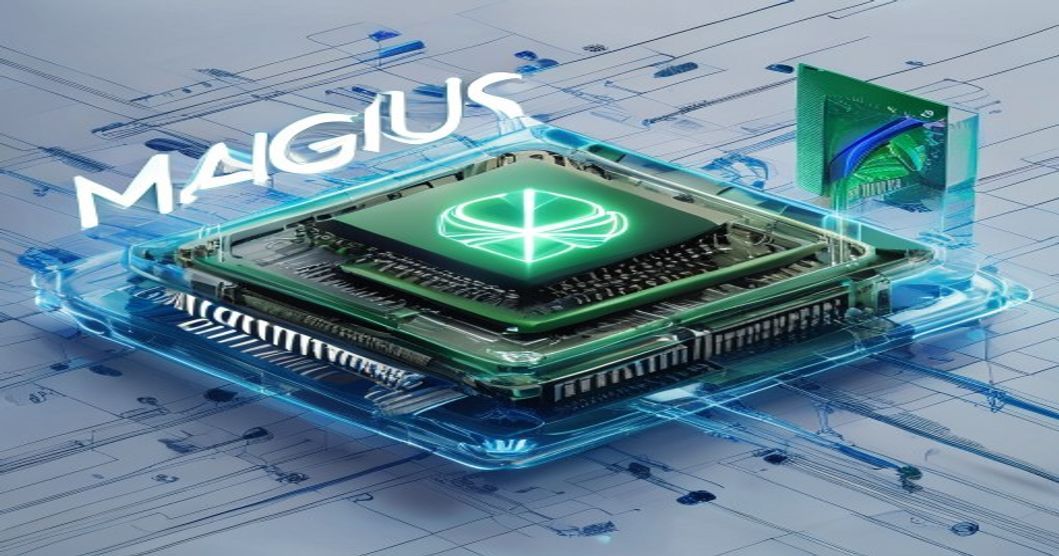
Leaked details regarding Microsoft’s next-generation Xbox, codenamed “Project Helix,” reveal a strategic shift toward standardized high-performance architectures. The console is powered by the “Magnus” chip, a semi-custom powerhouse featuring AMD’s future Zen 6 CPU cores and RDNA 5 graphics. A major portion of the silicon real estate is dedicated to a high-performance Neural Processing Unit (NPU), emphasizing Microsoft’s “AI-first” vision for gaming.
This NPU is expected to handle sophisticated upscaling and real-time environment generation, potentially narrowing the gap between console performance and high-end PC hardware.
However, the leak has sparked controversy over the lack of “special sauce”—custom-designed GPU silicon specifically tailored for the Xbox environment. Unlike previous generations where Microsoft engineered unique hardware blocks to optimize low-level API calls, Project Helix appears to rely heavily on off-the-shelf RDNA 5 logic. This decision may lead to margin compression advantages and easier developer optimization for DirectX and Vulkan, but it raises questions about hardware-level differentiation.
Without custom GPU enhancements, Microsoft risks losing its technical edge against Sony’s rumored PlayStation 6, which traditionally leans heavily on bespoke silicon features to define its generational leap.