Executive Summary
- 2026 Medical Alert Systems: A Comparative Analysis of Technology for Senior Independence and Dignity
Strategic Deep-Dive
Executive Summary
- This report analyzes the landscape of medical alert systems, now a cornerstone of aging societies, comparing key brand features and the evolution of 24/7 emergency response technologies.
Detailed Analysis
The Digital Safety Net Enabling ‘Aging in Place’
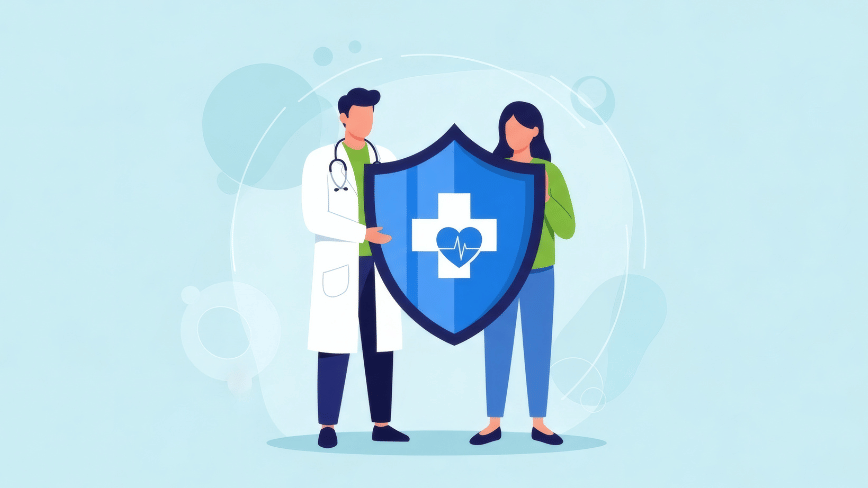
By 2026, medical alert systems have transcended the limitations of simple emergency buttons, evolving into comprehensive ‘digital care platforms’ that empower seniors to maintain independent lives at home. This ‘Aging in Place’ trend is accelerating as seniors increasingly prioritize remaining in familiar domestic environments over institutional care. Modern devices provide instantaneous 24/7 connectivity to trained emergency dispatchers as a standard, a critical factor in enhancing survival rates during medical crises.
Technological Sophistication: Integrating AI Fall Detection and Health Monitoring
While legacy devices relied on reactive, manual triggers, 2026’s market leaders leverage AI-driven, proactive detection. Utilizing advanced accelerometers and proprietary algorithms, ‘automatic fall detection’ identifies emergencies even when the user is incapacitated, triggering an automated alert to response centers.
Furthermore, the integration of real-time monitoring for heart rate, blood oxygen levels, and sleep patterns enables preventive intervention, notifying caregivers of anomalous health trends before they escalate. This technological convergence is effectively shifting the boundaries of healthcare from clinical settings to the home.
2026 Brand Comparison and Selection Guide
The market now offers diverse form factors—including smartwatches, pendants, and stationary hubs—tailored to specific lifestyles. Brands differentiate themselves through the professional caliber of their dispatchers, the precision of GPS tracking, battery longevity, and UI/UX accessibility. Consumers are advised to look beyond initial hardware costs, prioritizing the speed and reliability of emergency response and the system’s interoperability with existing smart home ecosystems. By 2026, these systems have solidified their status as essential household utilities that ensure senior safety while providing peace of mind to families.
Strategic Insights
Strategic Insights
The trajectory of medical technology is shifting beyond reactive ‘treatment’ toward ‘secure self-reliance.’ The 2026 generation of medical alert systems exemplifies how technology can enhance the quality of later life by establishing an invisible, non-intrusive safety net that preserves the dignity of the elderly. As the demographic shift toward an aging population continues, these platforms represent a critical intersection of human-centric design and scalable health-tech infrastructure.