Executive Summary
- A technical analysis of how specific self-hosted applications create memory bottlenecks in Network Attached Storage (NAS) systems and why a RAM upgrade is essential for maintaining server stability and performance.
Strategic Deep-Dive
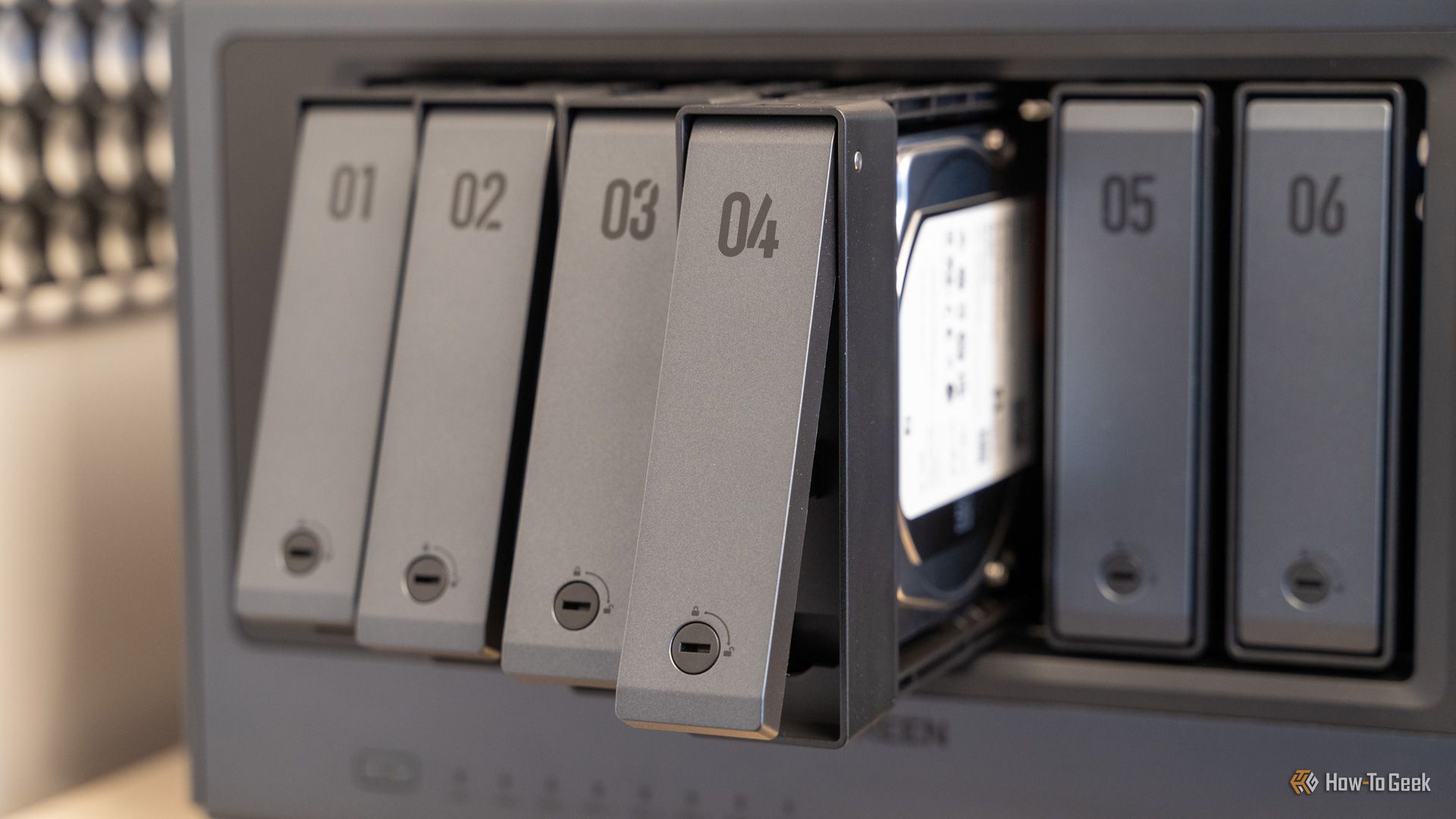
Modern NAS devices have evolved into versatile home servers capable of running complex containerized applications via Docker and virtualization. However, most consumer-grade units ship with minimal RAM, often resulting in severe performance degradation. The primary bottlenecks occur when running memory-intensive apps like Plex (media transcoding), Nextcloud (file synchronization), and Home Assistant (automation).
When the system runs out of physical memory, it resorts to “swapping” to slower storage media, increasing latency. Upgrading RAM allows the NAS to handle more concurrent Docker containers and improves file caching, leading to a smoother experience.