Executive Summary
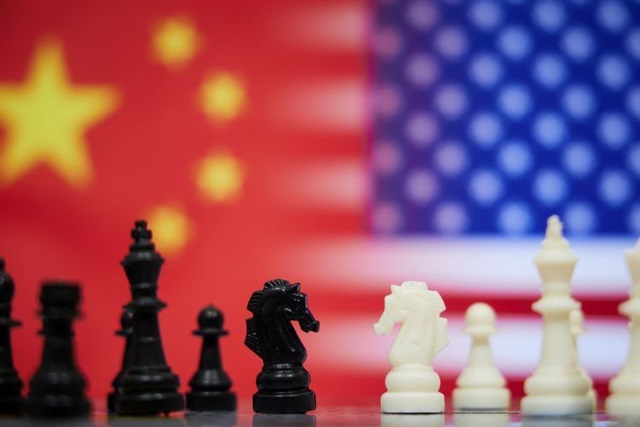
- China has introduced 10 new measures for Taiwan following the Xi-Cheng meeting, aimed at economic integration. Taiwan’s MOEA has responded by reaffirming independent strategic goals, highlighting the ongoing tension over the global semiconductor supply chain.
Strategic Deep-Dive
The geopolitical climate in the Taiwan Strait has reached a critical juncture following the high-stakes meeting between Chinese President Xi Jinping and KMT Chairperson Cheng Li-Wun. The subsequent unveiling of 10 new policies by Beijing is widely viewed as a “soft power” offensive designed to integrate Taiwan’s technical elite and industrial assets into the mainland’s ecosystem. However, Taiwan’s Ministry of Economic Affairs (MOEA) has remained steadfast, affirming that its economic and technological trajectory is not a bargaining chip.
The MOEA’s stance emphasizes the “Semiconductor Shield” strategy—leveraging its dominance in advanced chip manufacturing to ensure global support for its autonomy. For hardware analysts, these 10 policies represent more than just economic cooperation; they are a direct attempt to influence the control of the silicon supply chain that powers the world’s AI and defense systems.