Executive Summary
- YouTube’s recent expansion of its AI likeness detection technology to specifically target unauthorized depictions of celebrities and public figures marks a critical step in the institutionalization of Digital Rights Management (DRM) for the generative AI era. As deepfake technology becomes increasingly sophisticated—capable of replicating not just a person’s static image but their unique vocal cadence and micro-expressions—the potential for likeness infringement has moved from a niche technical risk to a pervasive existential threat to the entertainment industry. YouTube’s response is a robust…
Strategic Deep-Dive
YouTube’s recent expansion of its AI likeness detection technology to specifically target unauthorized depictions of celebrities and public figures marks a critical step in the institutionalization of Digital Rights Management (DRM) for the generative AI era. As deepfake technology becomes increasingly sophisticated—capable of replicating not just a person’s static image but their unique vocal cadence and micro-expressions—the potential for likeness infringement has moved from a niche technical risk to a pervasive existential threat to the entertainment industry. YouTube’s response is a robust technical and policy framework that empowers talent and their official representatives to proactively identify, track, and request the removal of synthetic media that misappropriates their identity.
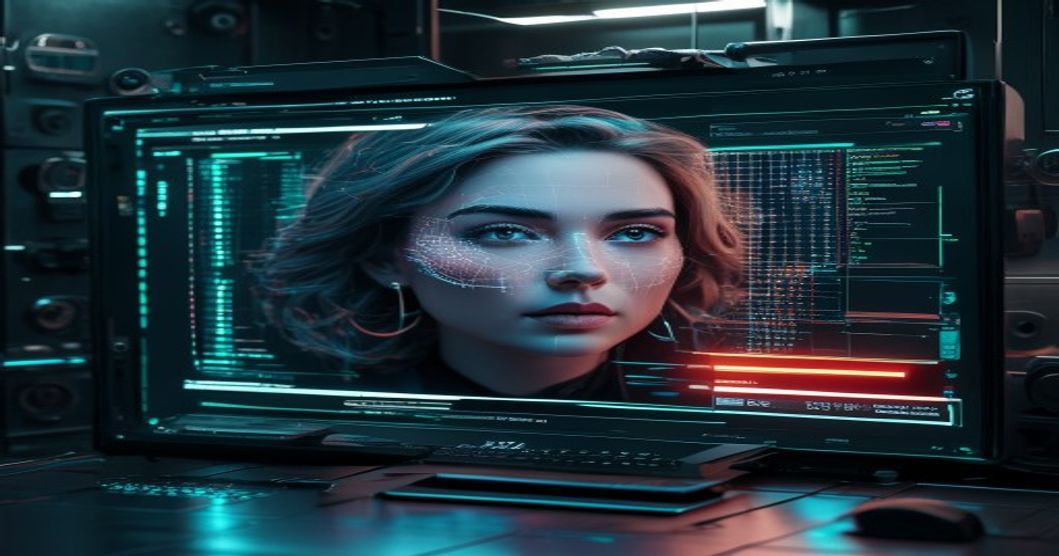
The significance of this update lies in its focus on “representatives”—the agents, managers, and legal teams who curate and protect celebrity brands. Historically, monitoring the vast, multi-billion video ocean of YouTube for likeness infringement was a reactive, manual process that often failed to keep pace with the viral speed of AI content. By integrating advanced AI detection tools into its core infrastructure, YouTube is providing a forensic-grade capability to scan video metadata and visual streams for biometric inconsistencies and synthetic artifacts.
These tools can flag “uncanny valley” signatures that are invisible to the human eye, such as unnatural blink rates or frequency-domain anomalies in voice cloning.
YouTube’s evolving responsibility reflects a broader shift in the platform’s role: moving from a passive host of user-generated content to an active enforcer of digital identity rights. By building these protections, YouTube is effectively positioning itself as the premier “safe harbor” for high-value creators and celebrities, which could set a global precedent for other social video platforms like TikTok or Instagram. This expansion suggests that the future of intellectual property will be defined by an escalating “AI-vs-AI” arms race, where detection algorithms must constantly adapt to the increasing realism of generation algorithms.
For the celebrity economy, this technology provides a necessary layer of security, ensuring that the commercial value of a public figure’s image is not diluted by a flood of unauthorized, AI-generated synthetic media. It is a clear signal that digital identity rights are becoming the new frontier of IP law, potentially requiring a complete overhaul of “fair use” definitions in a world of perfect digital clones.