Executive Summary
- Intel’s Vice President, Robert Hallock, has signaled a seismic shift in the company’s long-standing product segmentation strategy. In a recent interview regarding future platforms, Hallock indicated that Intel is actively working to bring “K-series” features—specifically unlocked multipliers and enhanced overclocking capabilities—to a broader range of budget-friendly CPUs. This move marks a significant departure from the era of “artificial scarcity,” where enthusiast-grade features were strictly gated behind premium price points and specific motherboard chipsets. For over a decade, since the S…
Strategic Deep-Dive
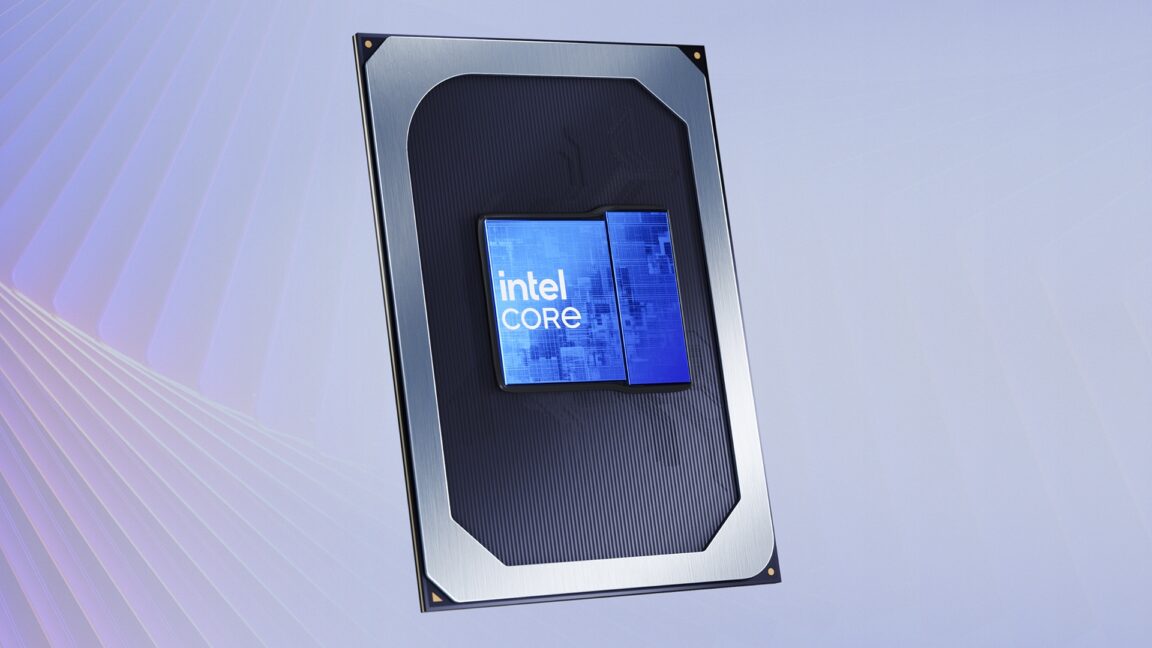
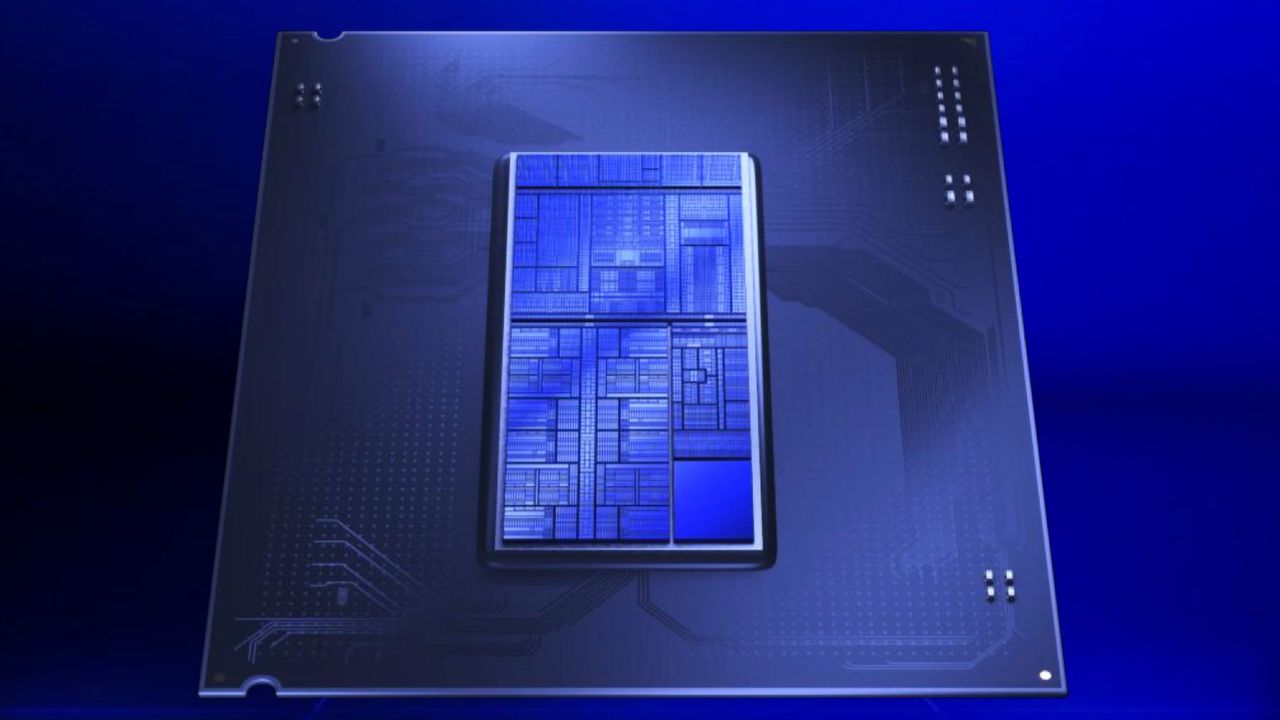
Intel’s Vice President, Robert Hallock, has signaled a seismic shift in the company’s long-standing product segmentation strategy. In a recent interview regarding future platforms, Hallock indicated that Intel is actively working to bring “K-series” features—specifically unlocked multipliers and enhanced overclocking capabilities—to a broader range of budget-friendly CPUs. This move marks a significant departure from the era of “artificial scarcity,” where enthusiast-grade features were strictly gated behind premium price points and specific motherboard chipsets.
For over a decade, since the Sandy Bridge architecture essentially locked down base clock overclocking, Intel’s market positioning has been defined by rigid tiers.
If a user wanted to experiment with performance tuning, they were forced into purchasing a “K” designated processor and a high-end Z-series motherboard. This created a significant financial barrier for “budget builders” who possessed the technical acumen to tune their systems but lacked the capital to invest in halo products. Hallock’s assertion that these users “deserve the same level of features” suggests that Intel is finally listening to the grassroots enthusiast community.
However, the technical implications of this democratization are complex. It’s not just about flipping a bit in the BIOS; it involves a fundamental rethink of power delivery and thermal management on mid-range hardware.
To support unlocked budget CPUs, the motherboard ecosystem must evolve. Currently, many B-series and H-series motherboards utilize sparse VRM (Voltage Regulator Module) phases that would likely struggle under the sustained high-current demands of an overclocked i5 or i3. Intel will need to work closely with partners like ASUS, MSI, and Gigabyte to ensure that even entry-level boards can handle increased PL1 and PL2 (Power Limit) durations.
Furthermore, will Intel allow full voltage offset control or remains restricted to “safe” increments? If they allow deeper access to Vcore and Load-Line Calibration (LLC), we could see a renaissance of the “Silicon Lottery” in the $150-$250 price bracket.
From a competitive standpoint, this shift is clearly a reaction to the pressure exerted by AMD’s Ryzen ecosystem. AMD has largely kept its entire lineup unlocked, allowing B-series motherboard owners to dabble in PBO (Precision Boost Overdrive) and curve optimizer settings. By democratizing overclocking, Intel is effectively neutralizing one of AMD’s most persistent marketing advantages.
To remain profitable, Intel will likely focus on “binning” higher-quality silicon for the K-series while offering more modest, yet functional, headroom for the budget tiers. This move could turn the act of “budget building” back into a strategic exercise in maximizing per-dollar performance through technical skill, revitalizing a DIY market that has felt increasingly commoditized and restricted.