Executive Summary
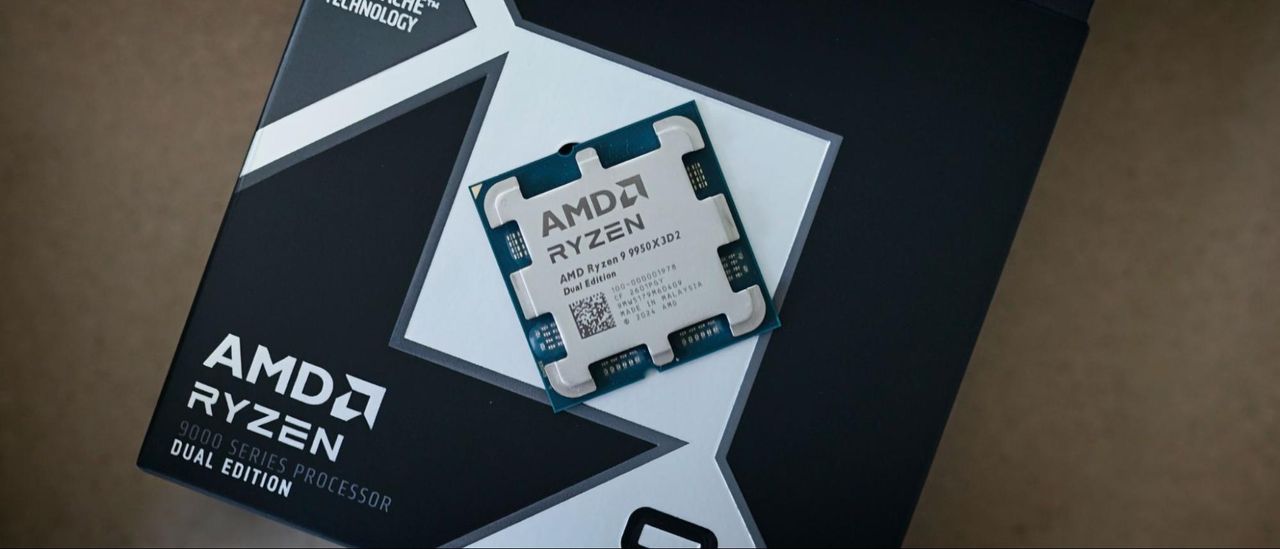
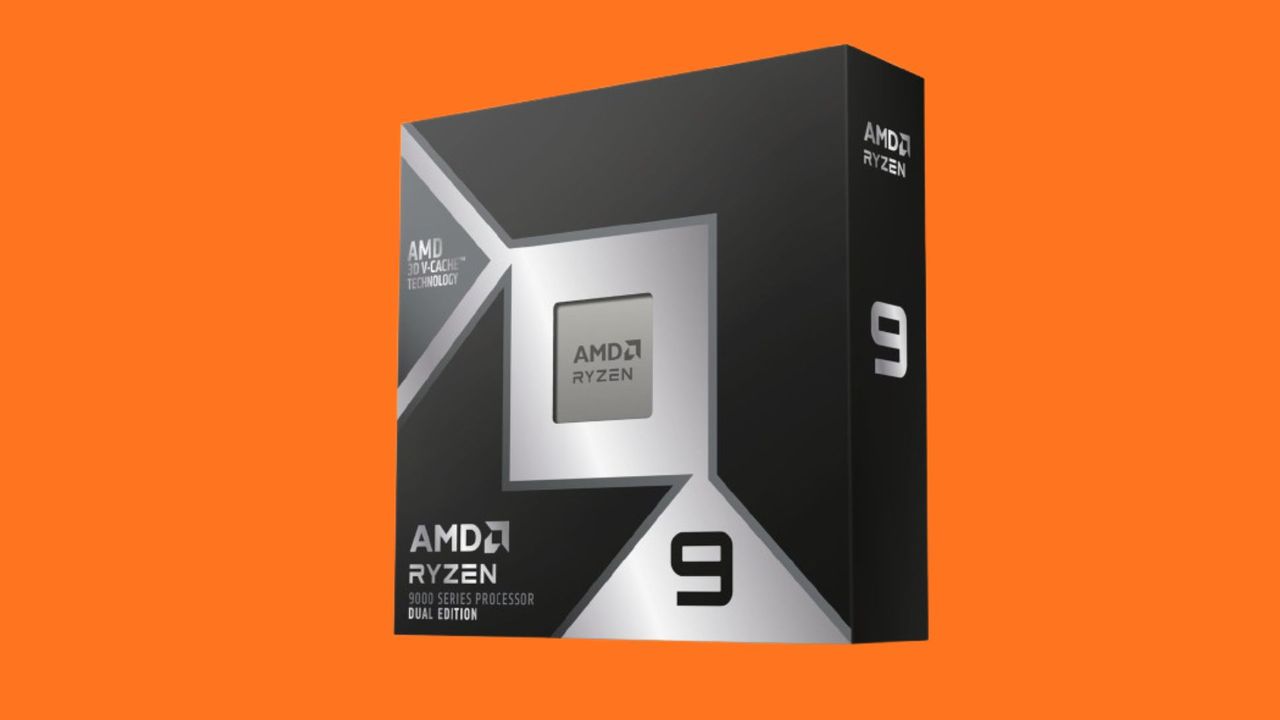
- AMD has officially launched the Ryzen 9 9950X3D2, featuring a symmetrical 3D V-Cache design across both CCDs to eliminate previous performance imbalances and maximize L3 cache access.
Strategic Deep-Dive
The semiconductor landscape has shifted with the official arrival of the AMD Ryzen 9 9950X3D2. For several generations, the “X3D” moniker represented the pinnacle of gaming performance, but it came with a significant architectural compromise: the asymmetrical cache layout. In the 7950X3D and initial 9950X3D designs, only one of the two Core Complex Dies (CCDs) was equipped with the additional 64MB of L3 cache.
This required the Windows Task Scheduler to perform complex gymnastics, attempting to park gaming threads on the “cache-rich” CCD while sending frequency-sensitive tasks to the “naked” CCD.
The 9950X3D2 “Dual Edition” renders these software-level workarounds obsolete. By stacking 3D V-Cache on both 8-core CCDs, AMD has created a symmetrical powerhouse where every one of the 16 cores has direct, low-latency access to an massive pool of L3 cache. This design is not merely about increasing raw capacity; it is about consistency.
In CPU-bound scenarios—such as high-refresh-rate 1080p gaming or complex physics simulations—the 9950X3D2 eliminates the frame-time stutters that occasionally plagued previous models when threads migrated across CCD boundaries.
From an engineering perspective, the 9950X3D2 represents a triumph over thermal density challenges. Stacking silicon creates an insulating effect, trapping heat within the lower layers of the die. AMD’s use of advanced hybrid bonding and refined TSV (Through-Silicon Via) technology allows the 9950X3D2 to maintain competitive clock speeds across both CCDs without hitting thermal throttles prematurely.
This makes the chip a dual-threat: it retains the crown in gaming while significantly closing the gap in multi-threaded productivity tasks like 8K video encoding and compiled code execution.
For the enthusiast market, the 9950X3D2 is a statement of intent. As Intel pushes its “Ultra” series with new tile-based architectures, AMD is doubling down on its packaging lead. The target audience—power users who refused to compromise between the gaming prowess of an X3D chip and the raw multi-core throughput of a standard Ryzen 9—now has a definitive solution.
As we move further into 2026, the 9950X3D2 is poised to become the definitive benchmark for high-end consumer silicon, proving that in the world of modern compute, cache remains king.