Executive Summary
- The landscape of high-performance computing has undergone a seismic shift between 2022 and 2026. Looking back, the initial reception of PC handhelds was marred by deep-seated skepticism. Critics and purists dismissed these early attempts as “glorified tablets” or “battery-sucking heaters” that could never truly challenge the dominance of the traditional desktop tower. However, the arrival of the Zen 5 architecture, refined through TSMC’s 3nm and early 2nm process nodes, has fundamentally dismantled these arguments, ushering in a reality where the “desktop or nothing” era is officially dead.
Strategic Deep-Dive
The landscape of high-performance computing has undergone a seismic shift between 2022 and 2026. Looking back, the initial reception of PC handhelds was marred by deep-seated skepticism. Critics and purists dismissed these early attempts as “glorified tablets” or “battery-sucking heaters” that could never truly challenge the dominance of the traditional desktop tower.
However, the arrival of the Zen 5 architecture, refined through TSMC’s 3nm and early 2nm process nodes, has fundamentally dismantled these arguments, ushering in a reality where the “desktop or nothing” era is officially dead.
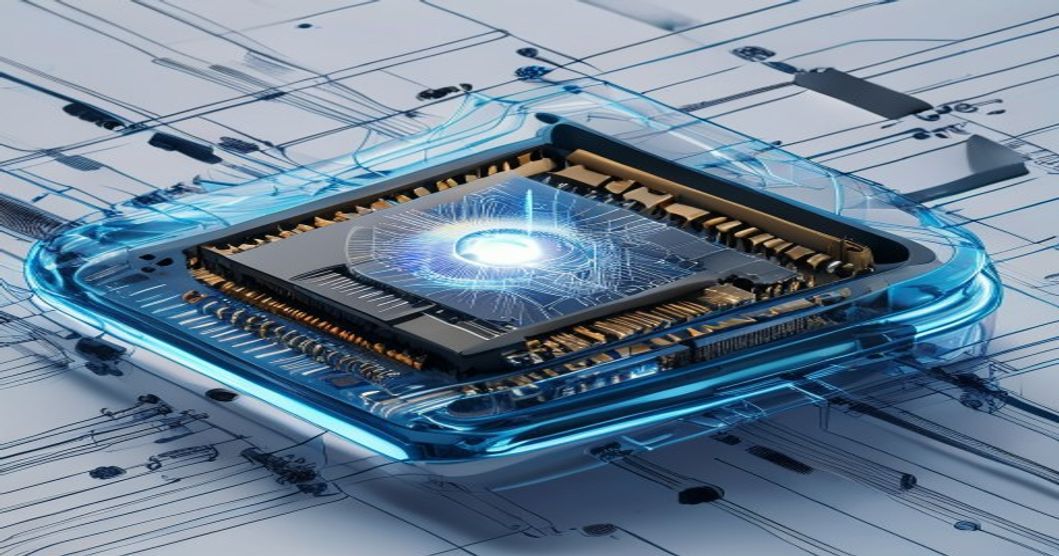
As a hardware systems architect, the most impressive aspect of the Zen 5 era is the radical improvement in IPC (Instructions Per Clock) efficiency combined with sophisticated branch prediction. In 2022, portable gaming was a zero-sum game of thermal throttling; to achieve high frame rates, one had to accept extreme heat. By 2026, the Zen 5 core has optimized the performance-per-watt envelope to a degree that was previously unthinkable.
We are seeing heterogeneous core configurations—mixing high-performance cores with efficiency cores—that allow handhelds to handle background OS tasks without leaching power from the primary gaming threads. The L3 cache architecture has also been overhauled, reducing memory latency which is critical for the integrated graphics (iGPU) performance that these portables rely on.
For portable gaming devices, this architectural efficiency translates directly into sophisticated thermal management. Modern 2026 handhelds no longer require the bulky, high-decibel blower fans of the past. Instead, the inherent coolness of the Zen 5 silicon allows for vapor chamber cooling in sleeker designs that maintain peak boost clocks over extended three-hour sessions.
Furthermore, the integration of advanced power-management firmware has extended battery life from a mere sixty minutes of high-fidelity play to durations that finally make long-haul international travel gaming viable.
The market has responded to these silicon breakthroughs with a decisive pivot. As handhelds began to match the mid-range desktop performance of 2024, the consumer base shifted. No longer a niche product for tech enthusiasts, these portables have become the primary gaming rigs for a generation that values “performance on the go” without compromising on the visual fidelity of AAA titles.
The “Desktop-Only” era has been replaced by an era of ubiquitous high-performance computing, where the silicon die in your palm is as architecturally sophisticated as any workstation chassis.