Executive Summary
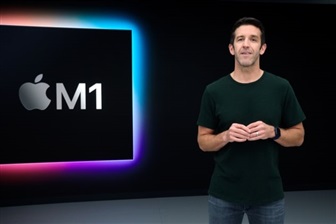
- Apple’s selection of John Ternus as CEO represents a strategic bet that the AI era will reward engineering credibility over operational excellence. While the PC era favored visionaries and the mobile era favored supply chain mastery, the integration of AI into physical hardware requires leaders who understand material science and silicon physics. This repositioning marks a return to breakthrough engineering as the primary driver of Apple’s long-term competitive advantage.
Strategic Deep-Dive
The history of leadership at Apple offers a roadmap for understanding the broader tech industry’s evolution. In the PC era, the market rewarded visionaries like Steve Jobs, whose primary role was to imagine a future that didn’t yet exist. As the industry matured into the mobile era, the focus shifted to operational excellence—managing global supply chains, optimizing manufacturing yields, and achieving massive scale.
Tim Cook was the quintessential “operator,” transforming Apple into a logistics and financial powerhouse with unparalleled efficiency. However, as the industry enters the AI era, Apple is betting that the most critical leadership quality is once again engineering credibility. This is the logic behind elevating John Ternus.
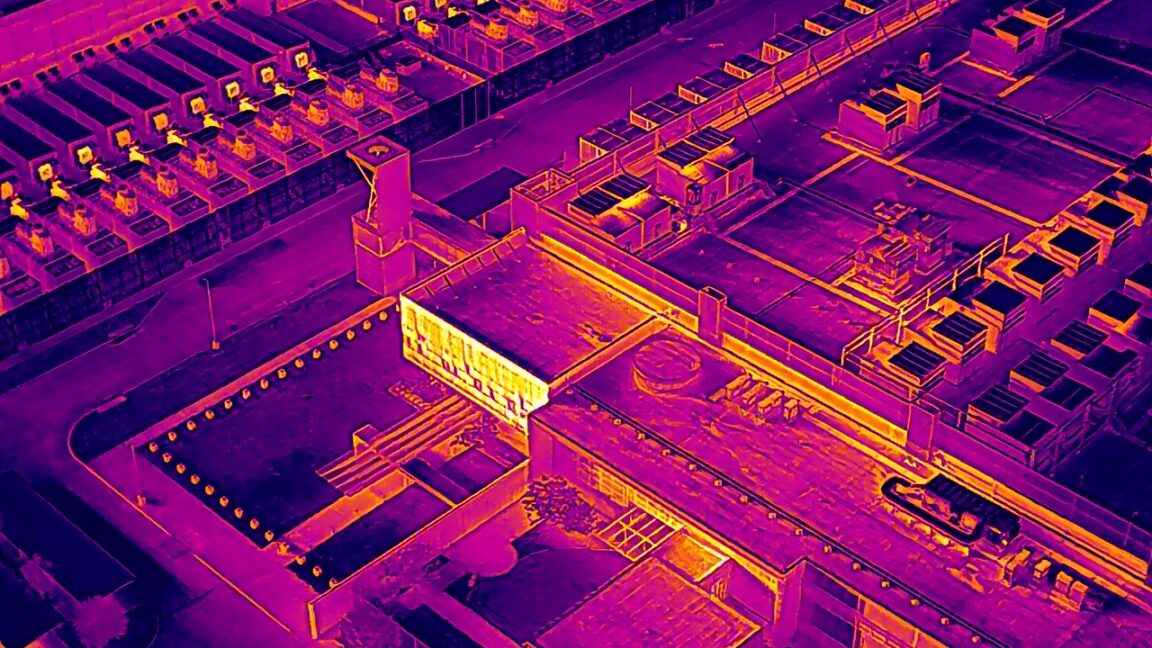
The AI era presents a set of “hard” problems that cannot be solved by operational efficiency alone. Integrating massive, power-hungry AI models into limited physical form factors—such as a wearable device or a home robot—requires a fundamental understanding of physics and material science. Unlike the mobile era, where hardware specifications had somewhat plateaued, the next decade demands breakthrough innovations in silicon architecture (NPU design), thermal management (heat dissipation in smaller devices), and high-frequency sensor integration.
An engineer-led Apple is uniquely positioned to navigate these technical complexities. Ternus’s background in hardware engineering allows him to make decisions based on technical feasibility and the laws of physics, rather than just market trends.
Furthermore, this transition signals a realization that software-only AI is rapidly becoming a commodity. To maintain its high margins and “walled garden” ecosystem, Apple must ensure that its AI experiences are inseparable from its proprietary hardware. By putting an engineer at the helm, Apple is signaling its intent to lead through the “physicality” of AI.
This means developing specialized hardware that makes generative AI perform faster, cooler, and more privately than on any other platform.
Historically, tech transitions expose the weaknesses of leaders who are too tied to the previous era’s successes. By choosing Ternus now, Apple is attempting to avoid the “innovator’s dilemma.” They are repositioning the company to focus on the next wave of hardware innovation: Embodied Intelligence. This strategic pivot suggests that Apple’s focus for the next decade will be on solving the most difficult engineering challenges of our time, moving from a company that masterfully manages operations to one that masterfully manages the intersection of AI, silicon, and the physical world.