Executive Summary
- The International Energy Agency (IEA) has officially declared the dawn of the “Age of Electricity,” a fundamental paradigm shift characterized by the most rapid scaling of a single energy source in human history: solar photovoltaic (PV) power. This transition represents far more than a simple shift in utility preferences; it is a structural reorganization of the global energy grid. When evaluating the current growth rate of solar infrastructure against historical transitions—such as the multi-decade rise of coal in the 19th century or the oil and gas expansion of the 20th century—the sheer vel…
Strategic Deep-Dive
The International Energy Agency (IEA) has officially declared the dawn of the “Age of Electricity,” a fundamental paradigm shift characterized by the most rapid scaling of a single energy source in human history: solar photovoltaic (PV) power. This transition represents far more than a simple shift in utility preferences; it is a structural reorganization of the global energy grid. When evaluating the current growth rate of solar infrastructure against historical transitions—such as the multi-decade rise of coal in the 19th century or the oil and gas expansion of the 20th century—the sheer velocity of solar adoption is without historical precedent.
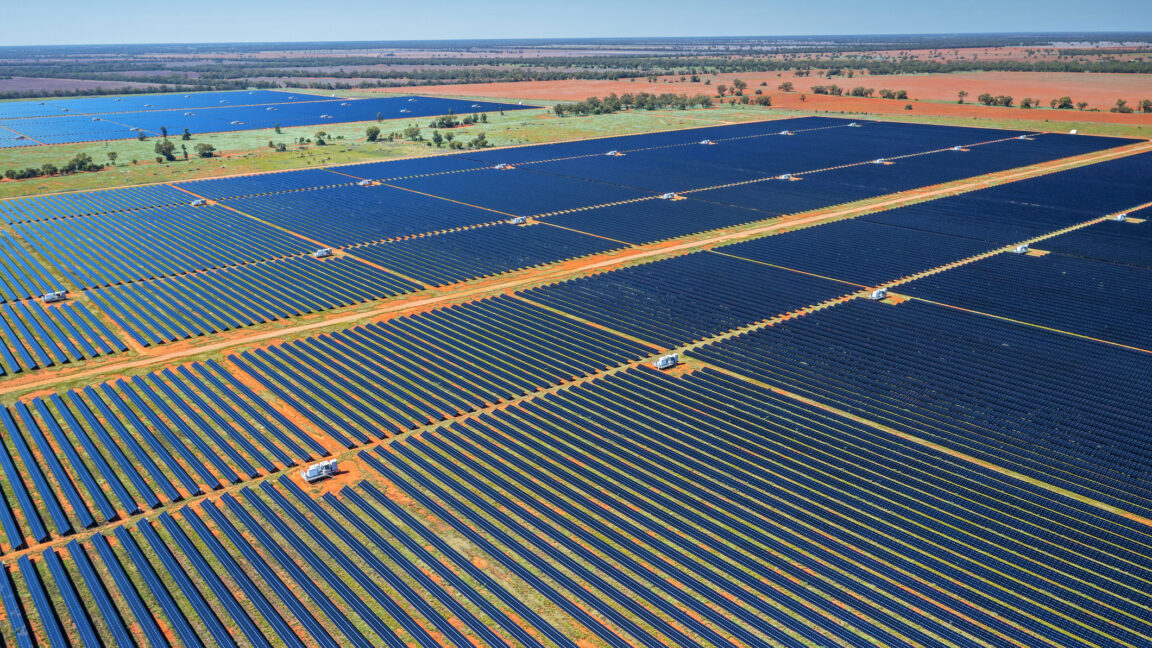
At the heart of this surge is the dramatic decline in the Levelized Cost of Energy (LCOE) for solar. Unlike fossil fuel-based systems that require massive ongoing costs for extraction, transportation, and centralized refining, solar energy benefits from extreme modularity and declining semiconductor costs. This has enabled a dual-track expansion: massive utility-scale farms are being deployed in desert regions and plains, while decentralized rooftop installations are turning consumers into “prosumers.” The IEA’s data reveals that the solar capacity added in the last year alone exceeds the total cumulative growth of several legacy energy sources combined over the past thirty years.
The implications for this “Age of Electricity” are profound and multifaceted. As solar becomes the backbone of global generation, the primary challenge shifts from energy production to energy management. This necessitates a massive, secondary investment cycle in Battery Energy Storage Systems (BESS) and smart grid technologies to handle the inherent intermittency of solar power.
However, the economic momentum is now irreversible. In many regions, building new solar capacity is now cheaper than continuing to operate existing coal-fired power plants. This is a cold economic reality that is driving decarbonization more effectively than any regulatory mandate.
Furthermore, this growth is rewriting the rules of global geopolitics. For the first time in a century, the focus is shifting away from the control of oil-producing territories toward the control of semiconductor manufacturing and critical mineral supply chains (lithium, polysilicon, and copper). Nations that were previously dependent on volatile fossil fuel imports now have a tangible path toward energy independence.
As this historic scaling continues, we are witnessing the emergence of a world where the marginal cost of electricity continues to trend toward zero, fueling the widespread electrification of heavy industry, transport, and heating. The IEA confirms that we are no longer predicting a transition; we are living through an active energy revolution that is redefining global infrastructure and economic power for the next century.