Executive Summary
- Apple TV+ has unveiled a chilling teaser for the third season of its hit sci-fi series “Silo,” promising a deep dive into the pre-apocalyptic origins of the subterranean bunkers. Framed by the haunting mantra, “Before we can know how it will all end, we need to understand how it all began,” the upcoming season is expected to adapt Hugh Howey’s prequel novel, “Shift.” The narrative will shift from the daily survival of the silo’s residents to the grand technological and political failures that forced humanity into a 144-story underground confinement.
Strategic Deep-Dive
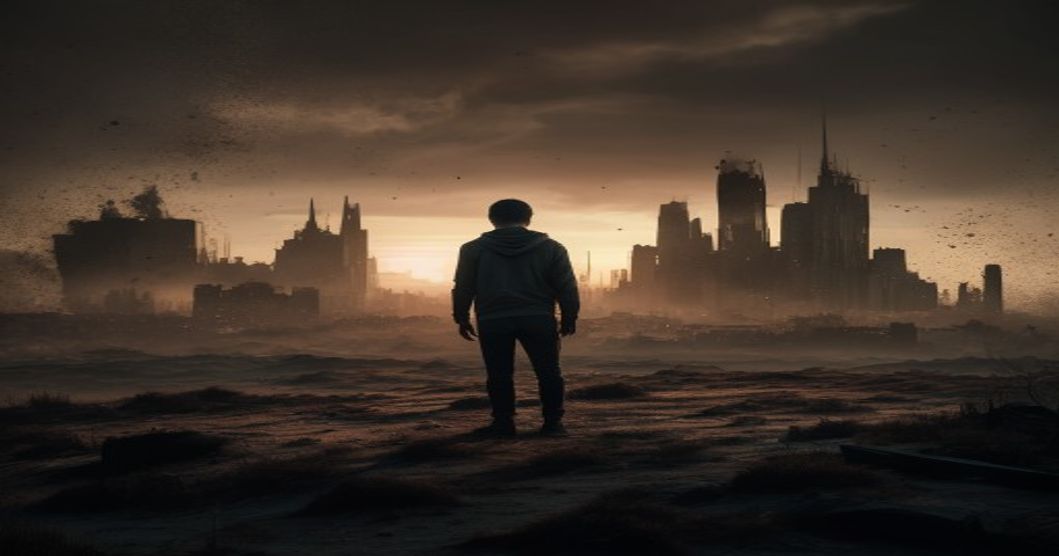
The post-apocalyptic landscape of Apple TV+’s “Silo” is set to expand in both scope and historical depth in its third season. While the first two seasons masterfully captured the claustrophobia of a society trapped within a massive 144-story subterranean bunker, the newly released teaser suggests a narrative pivot toward the world that existed before the toxic air took hold. The teaser’s central theme—“Before we can know how it will all end, we need to understand how it all began”—serves as a clear signal that the show is ready to tackle the origins of its titular silos, moving closer to the events depicted in Hugh Howey’s prequel novel, Shift.
This transition is not merely a change in setting; it is a deep dive into the philosophical and technological hubris that defines the series’ lore. Season 3 is expected to unveil the 21st-century bureaucrats and engineers who designed the silos as a contingency for a looming global catastrophe. By exploring this “greener past,” the show will contrast the high-tech, gleaming surveillance systems of the creators with the rusted, analog struggle for survival in the present-day silo.
This exploration of the “wasteland’s origins” allows the series to address contemporary anxieties regarding environmental collapse and the misuse of advanced technology for mass social control.
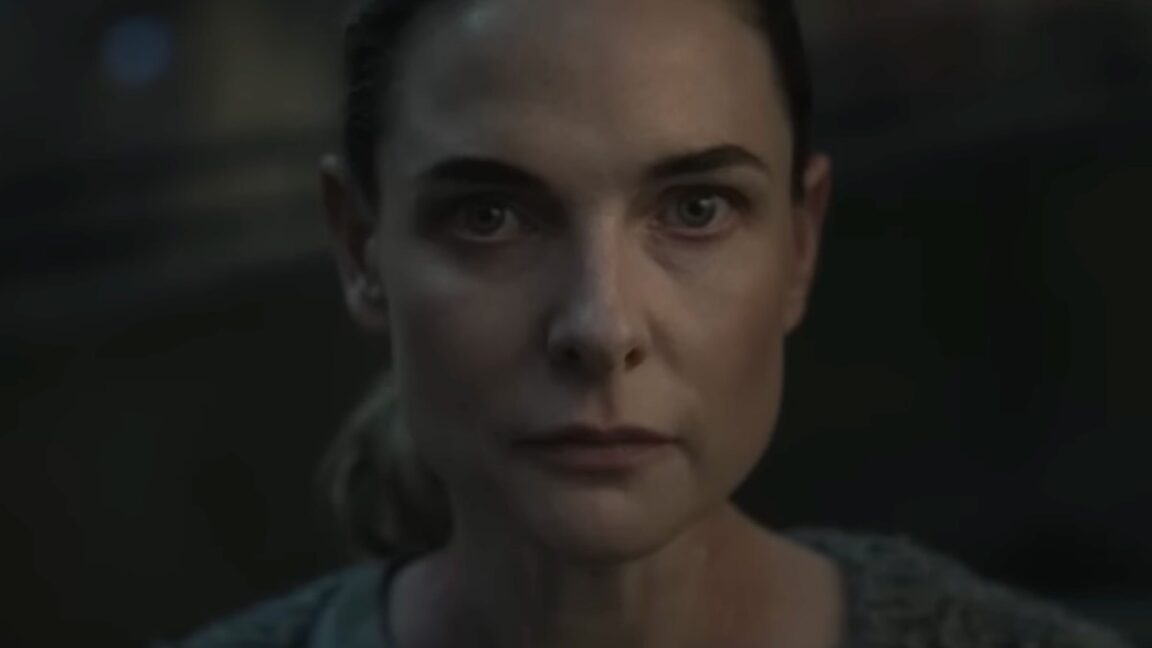
The protagonist, Juliette Nichols, who discovered the existence of other silos and the deceptive nature of the “viewing screens,” will likely serve as the lens through which this history is uncovered. The inclusion of digital archives, flashback sequences, and the exploration of the “Silo 1” facility—the central command hub—will provide a chilling look at the decision-making process that led to the “pact” governing silo life. Fans can expect a more cerebral and political season, as the mystery shifts from “what is outside?” to “why did we do this to ourselves?”
Visually, the teaser hints at a striking aesthetic contrast. We see fleeting glimpses of a world not yet destroyed, characterized by sleek architecture and natural beauty, which is then juxtaposed with the oppressive, industrialized interior of the silo. This visual storytelling emphasizes the tragic loss of the Earth’s surface and reinforces the high-end production value that has made “Silo” a standout in the sci-fi genre.
As the secrets of the wasteland are finally excavated, the residents of the silo will have to face a devastating truth: the bunker was never just a sanctuary—it was a prison designed by their own ancestors’ failures.