Executive Summary
- The Framework Laptop 13 Pro represents the most significant overhaul of the company’s original modular chassis since its high-profile inception. While Framework has spent the last few years proving that the “Right to Repair” movement could yield a viable consumer product, the “Pro” revision marks its definitive transition into a high-performance contender capable of challenging established industry titans like Dell’s XPS line and Apple’s MacBook Pro. The integration of Intel’s Core Ultra Series 3 CPUs is the centerpiece of this update, providing the necessary Neural Processing Unit (NPU) horse…
Strategic Deep-Dive
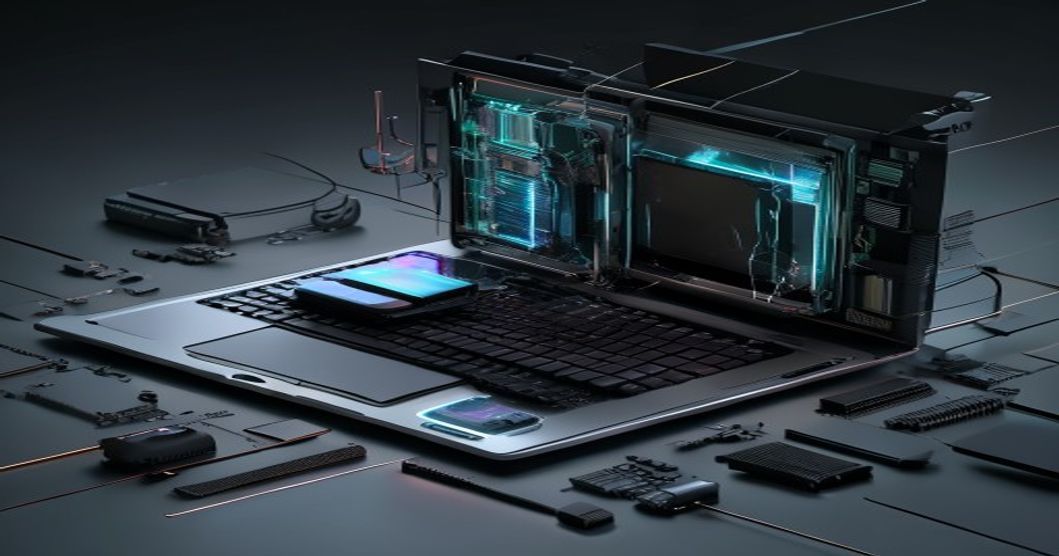
The Framework Laptop 13 Pro represents the most significant overhaul of the company’s original modular chassis since its high-profile inception. While Framework has spent the last few years proving that the “Right to Repair” movement could yield a viable consumer product, the “Pro” revision marks its definitive transition into a high-performance contender capable of challenging established industry titans like Dell’s XPS line and Apple’s MacBook Pro. The integration of Intel’s Core Ultra Series 3 CPUs is the centerpiece of this update, providing the necessary Neural Processing Unit (NPU) horsepower to handle the burgeoning suite of local AI tasks—such as real-time video background removal and local LLM inference—that professional users now demand as standard features.
Beyond the internal silicon, Framework has addressed long-standing community feedback regarding ergonomics and endurance. The inclusion of a high-resolution touchscreen option bridges a functional gap that has existed since the first generation, while the significantly larger battery—estimated to offer a 20% increase in watt-hours—addresses the power-hungry nature of modern “AI PCs.” These upgrades are packaged within the same modular philosophy that allows users to swap ports via Expansion Cards, replace keyboards, and even upgrade the motherboard itself. This feat of engineering maintains backward compatibility with the existing ecosystem, ensuring that early adopters are not left behind as the hardware evolves.
Framework’s strategy with the 13 Pro is to prove that modularity does not have to come at the cost of “Pro” features. Historically, modular laptops were seen as bulky, underpowered “science projects” for enthusiasts. By offering a sleek profile combined with the latest Intel architecture and a vibrant touchscreen, Framework is targeting the enterprise and creative markets where longevity and upgradeability are increasingly viewed as sustainability wins.
The ability to upgrade just the processor while keeping the chassis, screen, and peripherals reduces electronic waste and provides a compelling total cost of ownership (TCO) story for corporate IT departments.
As the industry moves toward more integrated, non-repairable designs featuring soldered RAM and storage, the Framework 13 Pro stands as a technical counter-narrative. It demonstrates that modular systems can evolve alongside rapid advancements in CPU architecture without requiring a total replacement of the hardware. This “longevity through upgrades” model is being put to the test as Core Ultra Series 3 brings a significant shift in how laptops handle hybrid workloads.
For Framework, the 13 Pro is more than just a laptop; it is a platform that has finally matured into its “Pro” moniker, proving that repairability and high performance are not mutually exclusive.