Executive Summary
- Apple has officially detailed its long-anticipated executive succession plan, announcing that John Ternus will replace Tim Cook as Chief Executive Officer in April 2026. While Tim Cook will transition to the role of Executive Chairman—retaining a significant advisory presence—his departure from the day-to-day operations marks the conclusion of an era that saw Apple transform into the world’s most valuable company. The appointment of Ternus, currently the Senior Vice President of Hardware Engineering, signals a deliberate strategic pivot from an operations-led leadership model to an engineering…
Strategic Deep-Dive
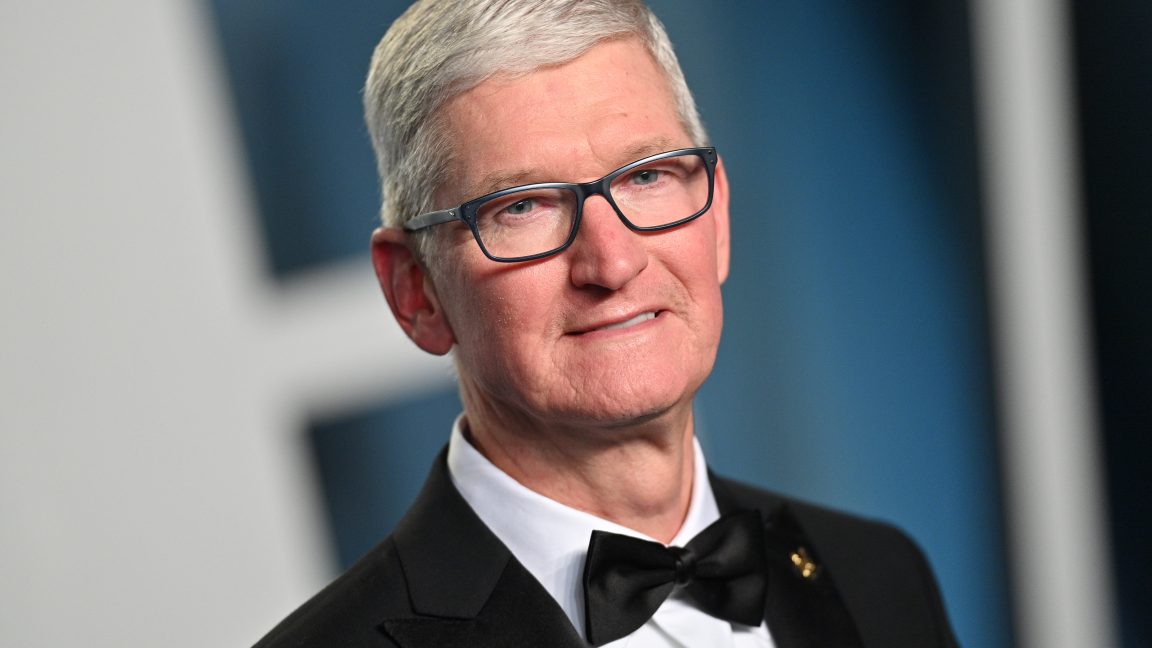
Apple has officially detailed its long-anticipated executive succession plan, announcing that John Ternus will replace Tim Cook as Chief Executive Officer in April 2026. While Tim Cook will transition to the role of Executive Chairman—retaining a significant advisory presence—his departure from the day-to-day operations marks the conclusion of an era that saw Apple transform into the world’s most valuable company. The appointment of Ternus, currently the Senior Vice President of Hardware Engineering, signals a deliberate strategic pivot from an operations-led leadership model to an engineering-led vision.
Tim Cook’s tenure was defined by masterful supply chain optimization and the expansion of Apple’s services ecosystem, which now generates tens of billions in recurring revenue. However, as the tech landscape enters the “AI-first” epoch and experiments with spatial computing via the Vision Pro, the leadership requirements for the next decade have evolved. John Ternus is a deeply technical leader who has been instrumental in the most successful hardware transitions in Apple’s history, including the move to Apple Silicon.
His deep understanding of the M-series and A-series chip architectures suggests that Apple’s future product development will be driven by integrated hardware and software engineering rather than purely logistical excellence.
For investors, the key focus under Ternus will be Apple’s stance on generative AI. While the company was perceived as moving slowly during the initial AI boom, Ternus is expected to champion an “on-device AI” strategy. By leveraging proprietary silicon to run complex models locally on iPhones and Macs, Apple can maintain its strict privacy standards while offering high-performance, low-latency AI features—a distinct advantage over competitors reliant on cloud-based processing.
Furthermore, Cook’s transition to Executive Chairman follows a proven roadmap established by other tech giants like Microsoft, providing a safety net of stability during the transition. Ternus will be tasked with balancing Apple’s legacy of design perfection with the need for aggressive innovation in robotics and integrated AI services. As we approach April 2026, the industry anticipates that the “Ternus Era” will represent a return to the product-centric focus that originally defined the company, ensuring Apple remains at the pinnacle of global technology.