Executive Summary
- The recent unveiling of CATL’s next-generation Shenxing battery represents a seismic shift in the hierarchy of electric vehicle (EV) energy storage. For over a decade, Lithium Iron Phosphate (LFP) chemistry has played the role of the “reliable workhorse”—safe, cost-effective, and long-lasting, yet fundamentally limited by its energy density and poor performance in cold climates. However, the data surrounding the latest Shenxing iteration suggests that the gap between LFP and the more expensive Nickel Cobalt Manganese (NCM) chemistry is not just narrowing; it is being obliterated. The headline …
Strategic Deep-Dive
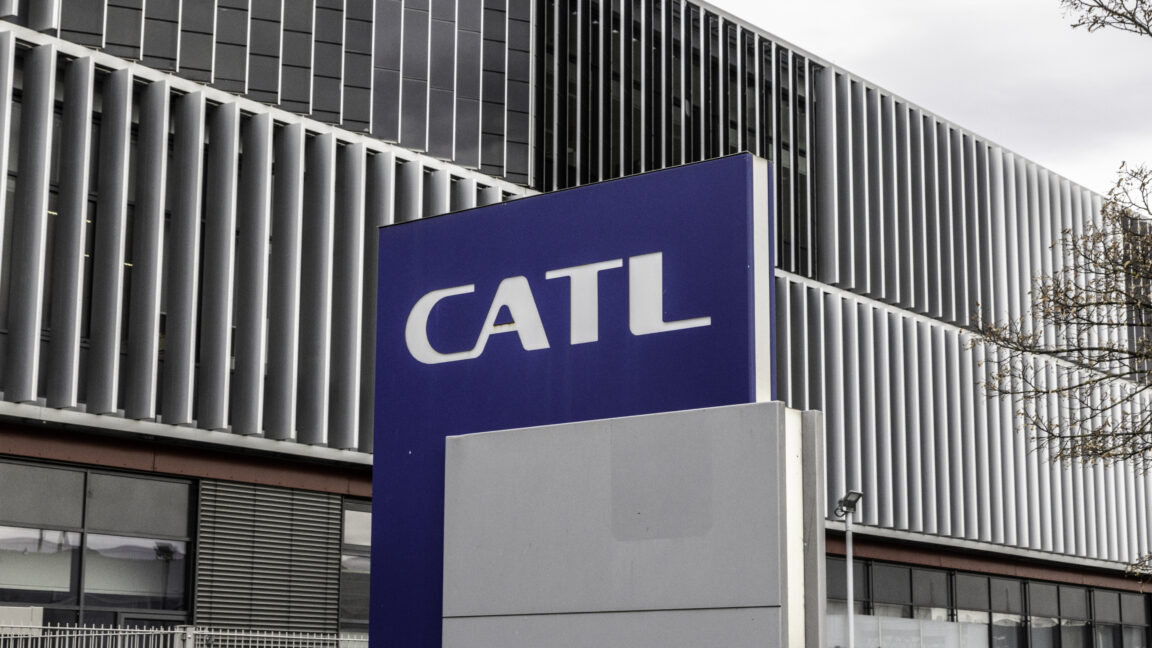
The recent unveiling of CATL’s next-generation Shenxing battery represents a seismic shift in the hierarchy of electric vehicle (EV) energy storage. For over a decade, Lithium Iron Phosphate (LFP) chemistry has played the role of the “reliable workhorse”—safe, cost-effective, and long-lasting, yet fundamentally limited by its energy density and poor performance in cold climates. However, the data surrounding the latest Shenxing iteration suggests that the gap between LFP and the more expensive Nickel Cobalt Manganese (NCM) chemistry is not just narrowing; it is being obliterated.
The headline figure—a 10% to 98% state-of-charge (SoC) transition in under seven minutes—is a feat of electrochemical engineering that challenges the very physics of lithium-ion transport.
To achieve such a rapid charge rate, especially in the high-SoC range (80% to 98%), CATL has likely addressed the chronic issue of “lithium plating.” In traditional batteries, charging at high speeds causes lithium ions to accumulate on the surface of the anode faster than they can intercalate into it, leading to metallic lithium growth that degrades the battery and poses safety risks. The Shenxing battery appears to utilize a new superconducting electrolyte formula and a highly porous, multi-gradient coating on the anode. This architecture facilitates a “fast-track” for ions, allowing for a sustained C-rate that remains remarkably flat even as the battery nears full capacity.
This eliminates the “tapering” effect that currently forces EV owners to wait disproportionately long for those final 20 percentage points of charge.
Beyond speed, the Shenxing’s most formidable advancement is its self-heating technology designed for Arctic environments. LFP batteries are notoriously susceptible to “cold-soak,” where electrolyte viscosity increases and internal resistance skyrockets in freezing temperatures. By integrating a sophisticated thermal management system that leverages the battery’s own internal resistance to generate heat efficiently, CATL ensures the battery can maintain high power delivery and rapid charging speeds even in sub-zero conditions.
This effectively removes the “geographical barrier” to EV adoption, making LFP-powered vehicles a viable choice for northern European and North American markets where range anxiety in winter remains a primary deterrent.
From an industry analyst’s perspective, this development is a direct threat to the premium NCM market. If LFP can offer near-instantaneous charging and reliable performance in all climates, the justification for cobalt and nickel-based chemistries begins to dissolve. We are looking at the democratization of high-performance EVs.
Furthermore, as CATL consolidates its hegemony in the LFP space, the geopolitical implications become clear: Western manufacturers, currently trailing in LFP supply chains, face an existential challenge to stay relevant as the “mass-market” segment pivots toward these advanced, cobalt-free Chinese architectures. This is not merely an incremental upgrade; it is the moment LFP becomes the global standard.