Executive Summary
- The dream of a “universal gaming device” has given way to a fragmented landscape of specialized ecosystems in 2026. This analysis explores how the distinct technical requirements of PC, mobile, console, and streaming platforms have created unique gamer demographics. As hardware becomes more niche-focused, the industry is shifting toward platform-specific experiences that maximize the unique strengths of each medium.
Strategic Deep-Dive
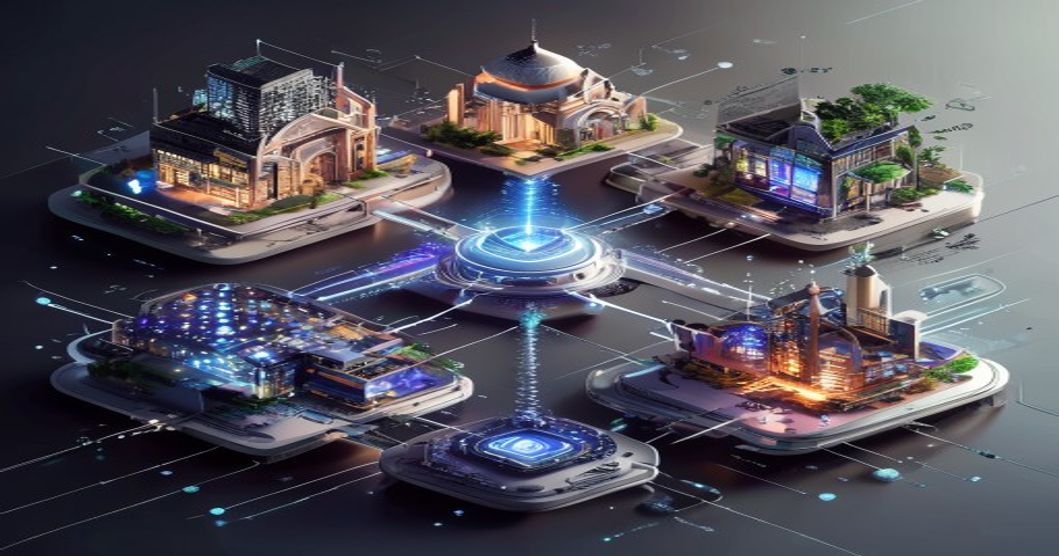
In the early 2020s, many analysts predicted that a single, unified gaming platform—likely cloud-based—would eventually swallow the entire industry. However, as we observe the landscape in 2026, the opposite has occurred. We have entered the era of “The Great Fragmentation,” where the gaming world has branched into several highly specialized and distinct ecosystems.
Each of these worlds is defined not just by the games they host, but by the specific hardware innovations and cultural expectations that govern them.
PC gaming has solidified its position as the ultimate frontier for high-fidelity and high-agency experiences. In 2026, the PC gamer is an enthusiast who values the cutting-edge capabilities of Zen 5 architectures, PCIe 6.0 data lanes, and ultra-low-latency peripherals. This demographic is no longer chasing mere “playability”; they are chasing total immersion and professional-grade performance.
The PC ecosystem has become a modular laboratory where the future of tech is tested, catering to a user base that views their hardware as a personal extension of their identity.
In contrast, the mobile gaming world has expanded to become the most diverse and profitable sector. Driven by the ubiquity of smartphones that now possess the computational power of previous-generation consoles, mobile gaming has moved beyond casual “match-three” puzzles. It now hosts massive competitive esports and high-stakes gambling applications that leverage the device’s constant connectivity.
The mobile world values accessibility and the “always-on” nature of the hardware, creating a culture of micro-interactions that fit into the cracks of daily life.
The console market has evolved into a “premium home theater” experience. By 2026, consoles have doubled down on their strength as plug-and-play cinematic machines. They offer a level of seamless integration with 8K displays and spatial audio systems that is difficult to replicate on a modular PC.
Meanwhile, the streaming/cloud segment has emerged as a fourth distinct pillar. These gamers are device-agnostic, choosing to play high-end titles on low-power TVs, tablets, or even smart glasses. The elimination of server-side latency in 2026 has finally made streaming a viable primary platform for a demographic that prioritizes subscription value and mobility over hardware ownership.
This fragmentation is not a sign of a divided market, but of a maturing one, where every type of player has a tailor-made world to call home.