Executive Summary
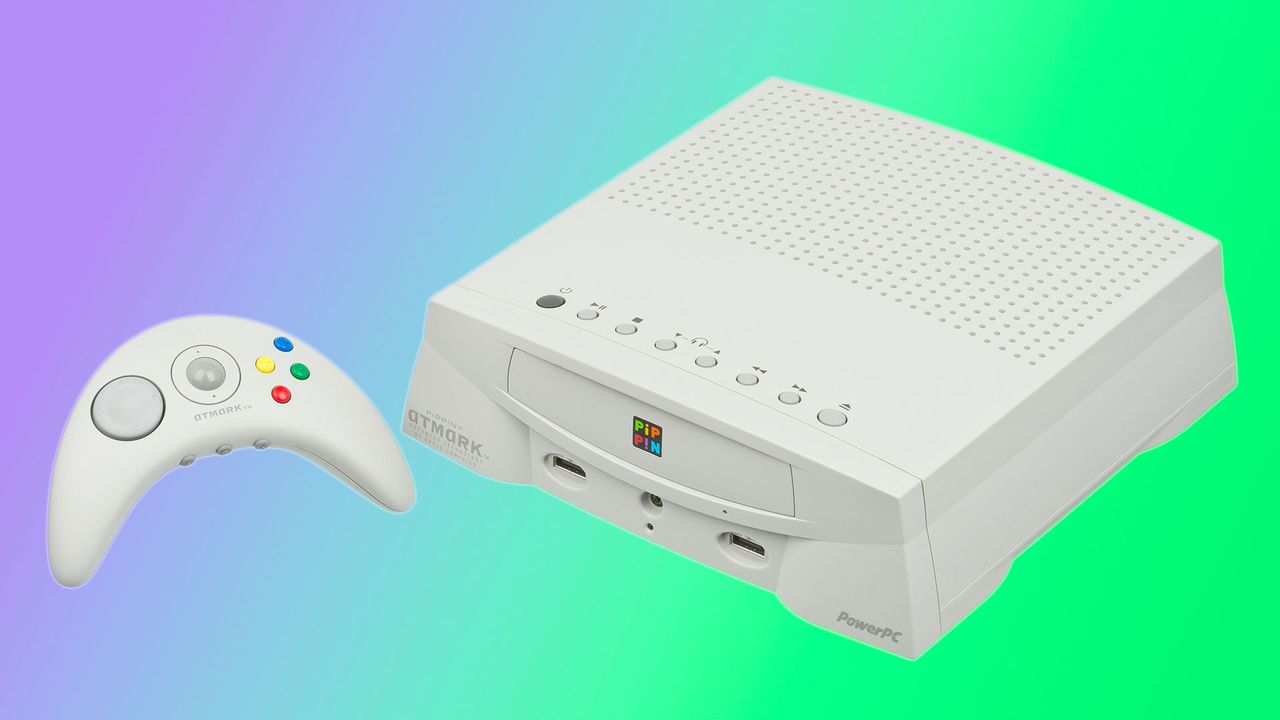
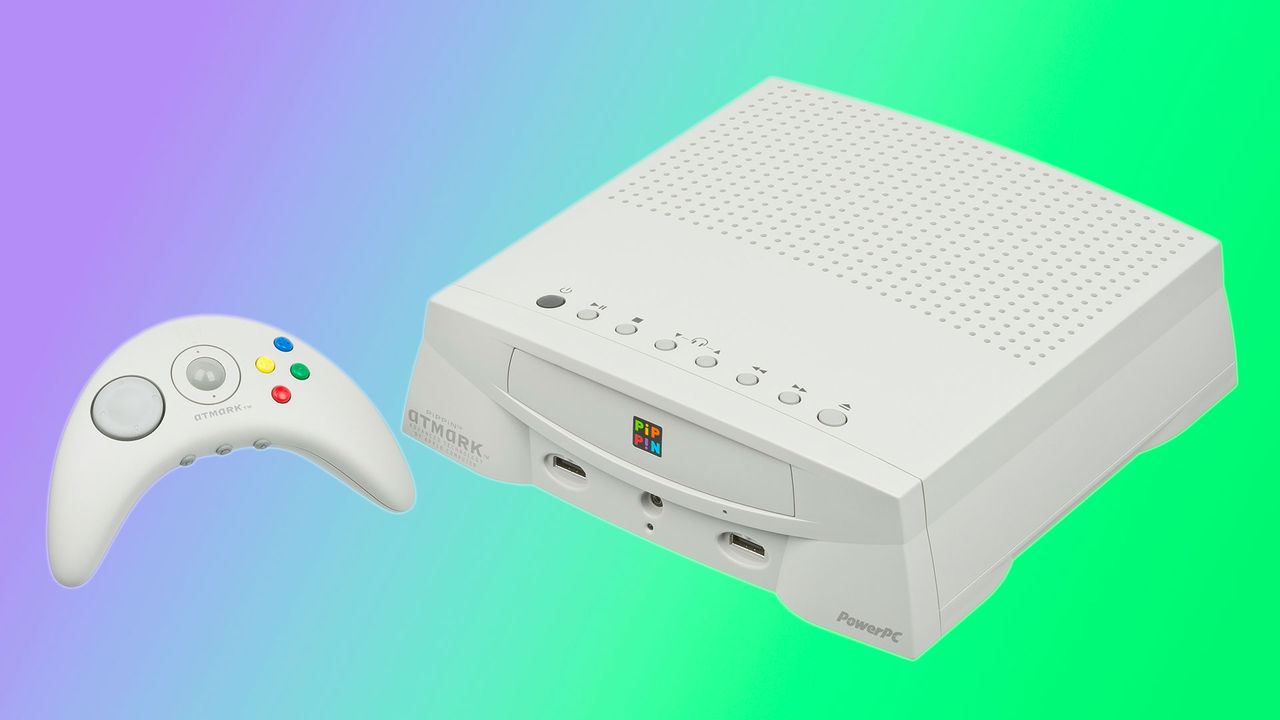
- Thirty years ago, Apple Computer Inc. was a company in crisis, bleeding market share to Wintel PCs and searching for a “third pillar” beyond the Mac and the Newton. The result was the Pippin—a platform based on a stripped-down version of System 7.5.2, designed to bridge the gap between a home computer and a game console. Unlike the tightly controlled Apple of today, the 1996 Apple attempted an open licensing model, partnering with Japanese toy giant Bandai. This historical pivot remains one of the most significant examples of a “mismatched market fit” in technology history, selling only 42,000…
Strategic Deep-Dive
The 1996 Context: Apple’s Desperate Diversification
Thirty years ago, Apple Computer Inc. was a company in crisis, bleeding market share to Wintel PCs and searching for a “third pillar” beyond the Mac and the Newton. The result was the Pippin—a platform based on a stripped-down version of System 7.5.2, designed to bridge the gap between a home computer and a game console.
Unlike the tightly controlled Apple of today, the 1996 Apple attempted an open licensing model, partnering with Japanese toy giant Bandai. This historical pivot remains one of the most significant examples of a “mismatched market fit” in technology history, selling only 42,000 units in its short lifespan.
Technical Post-Mortem: “Too Expensive and Too Slow”
From a hardware engineering perspective, the Pippin was fundamentally flawed. It utilized a PowerPC 603 RISC processor clocked at a meager 66MHz. While this was a capable architecture for general computing, it lacked the specialized geometry transformation engines and rasterizers found in the MIPS R3000-based Sony PlayStation or the Silicon Graphics-designed NEC VR4300 in the Nintendo 64.
At a launch price of $600—equivalent to over $1,100 today—it was nearly double the price of the $299 PlayStation. For that premium, users received a 4x CD-ROM drive that suffered from agonizingly long load times, and a software library that lacked a cohesive identity, caught between “edutainment” and mediocre ports of Mac games.
The Licensing Failure: Why Outsourcing Killed the Pippin
Apple’s decision to license the Pippin architecture to Bandai was a strategic blunder that modern Apple would find unthinkable. By outsourcing the manufacturing and marketing, Apple lost control over the user experience (UX). Bandai, while successful in entertainment, lacked the deep relationships with hardcore game developers like Capcom, Konami, or Square that were essential for a console’s success.
The Pippin lacked a “Killer App”—a Super Mario 64 or a Final Fantasy VII—to justify its exorbitant price tag. This lack of vertical integration meant that the hardware was too generalized to be a good console and too specialized to be a good computer.
Lessons for the Modern “Walled Garden”
The ghost of the Pippin haunts every successful Apple product today. The failure taught Steve Jobs and subsequent leaders that Apple cannot win by being a “platform licensor”; it must be a “vertical integrator.” The Pippin’s inability to deliver a premium experience at a high price point led to Apple’s current obsession with controlling the entire stack—from the M-series silicon to the OS and the App Store. The Pippin was a failure of market timing and strategic execution, but its collapse was the catalyst for the “closed ecosystem” philosophy that has since made Apple the most valuable company in the world.
It serves as a reminder that in the high-stakes world of consumer hardware, being first or even being “innovative” isn’t enough without a ruthless control over the ecosystem.