Executive Summary
- BMW’s flagship i7 has undergone a significant evolution, now featuring an industry-leading 447-mile range and incorporating the minimalist design language of the “Neue Klasse.” This update represents BMW’s strategic bridge between its century-old luxury heritage and its future as an electric-first innovator, setting a new benchmark for full-size luxury sedans.
Strategic Deep-Dive
The April 2026 update to the BMW 7 Series, specifically the i7 electric flagship, signals a major tactical shift for the Bavarian automaker. While BMW has long championed the “Power of Choice” strategy—offering ICE, PHEV, and BEV variants on shared platforms—the new i7 proves that the company is now prioritizing electric-first engineering. The most striking figure is the 447-mile range, a substantial jump from previous iterations.
This achievement is not merely the result of a larger battery pack but stems from a radical overhaul of the vehicle’s volumetric energy density and aerodynamic efficiency, drawing directly from the Gen 6 battery technology developed for the upcoming “Neue Klasse” platform.
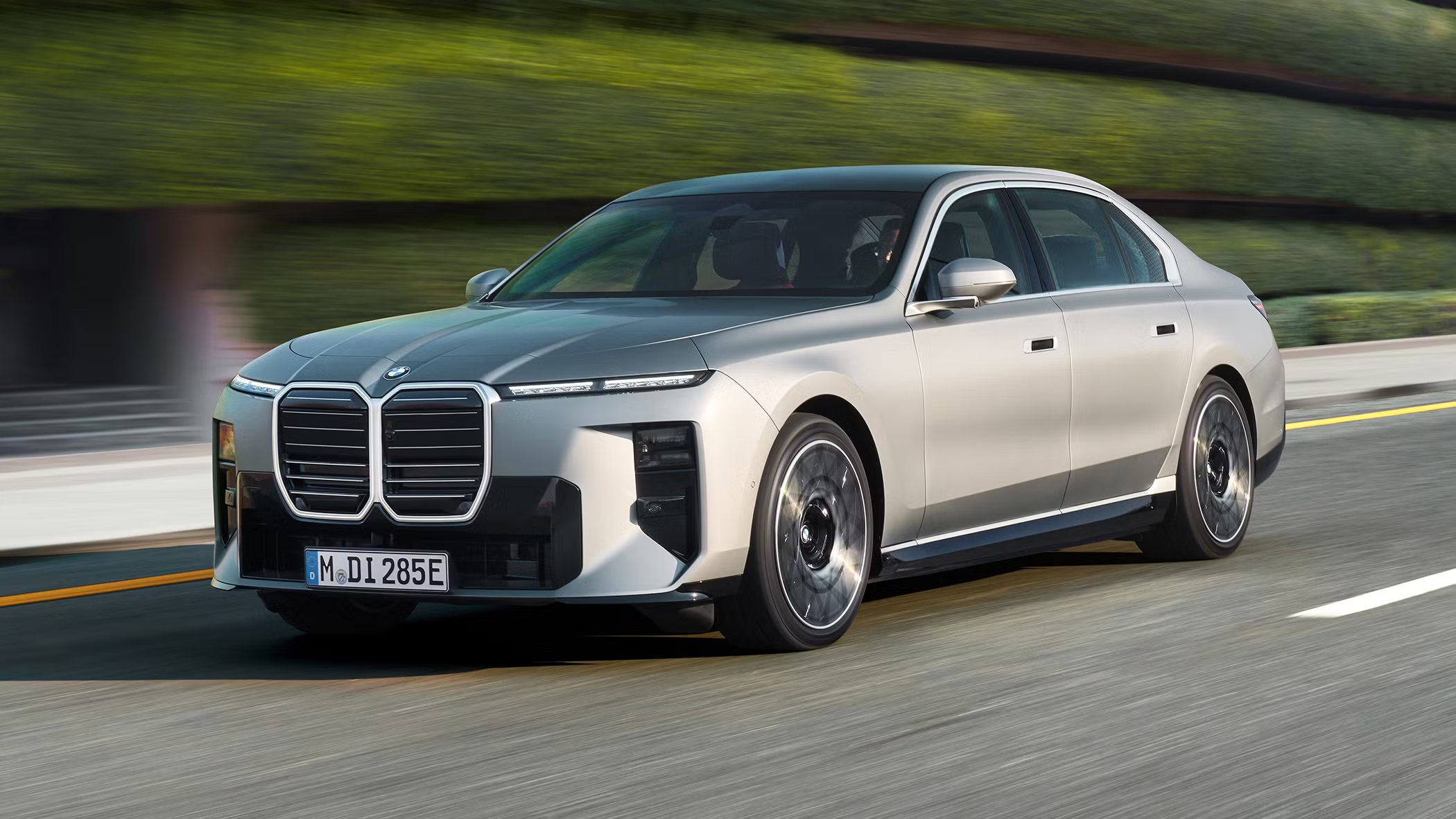
Design-wise, the i7 has shed its controversial aesthetics in favor of the “Neue Klasse” evolution. This new design language is defined by cleaner lines, integrated digital lighting, and a reduction in chrome and unnecessary ornamentation. By previewing these elements on its flagship sedan, BMW is preparing its elite customer base for the total brand transformation set for 2027.
The i7 now serves as a high-tech bridge, offering the familiar “vault-like” silence and prestige of a 7 Series but with the radical digital DNA of a startup. Inside, the inclusion of the latest BMW Operating System ensures that the car remains a competitive software-defined entity, capable of over-the-air updates that can enhance performance and efficiency throughout the vehicle’s lifecycle.
The 447-mile range puts BMW in an enviable position. It successfully outpaces the standard offerings from Mercedes-Benz and Audi, and even puts pressure on range leaders like Lucid. In the luxury segment, range is not just about utility; it is a status symbol of engineering prowess.
By crossing the 400-mile threshold so decisively, BMW has addressed the final hurdle for conservative luxury buyers who were previously hesitant to make the jump to electric. This range, combined with 800-volt fast-charging architecture that allows for a 10-80% charge in under 20 minutes, makes the i7 the ultimate grand tourer for the 2026 market.
Critically, the i7 redesign highlights BMW’s competitive advantage: the ability to blend traditional craftsmanship with bleeding-edge technology. While new EV entrants struggle with interior quality and service networks, BMW’s i7 offers a refined cabin featuring Merino leather and the 31-inch “Theater Screen,” creating a mobile cinematic environment that tech-first rivals have yet to replicate. As we move into the latter half of the decade, the i7 stands as a testament to the idea that heritage brands can indeed lead the electric revolution if they are willing to embrace radical design and engineering changes.