Executive Summary
- An in-depth look at Counter-Strike 2’s shift to Source 2, focusing on PBR, volumetric smoke, and the technical hurdles for Mac users using Metal API vs Vulkan.
Strategic Deep-Dive
The Source 2 Paradigm Shift
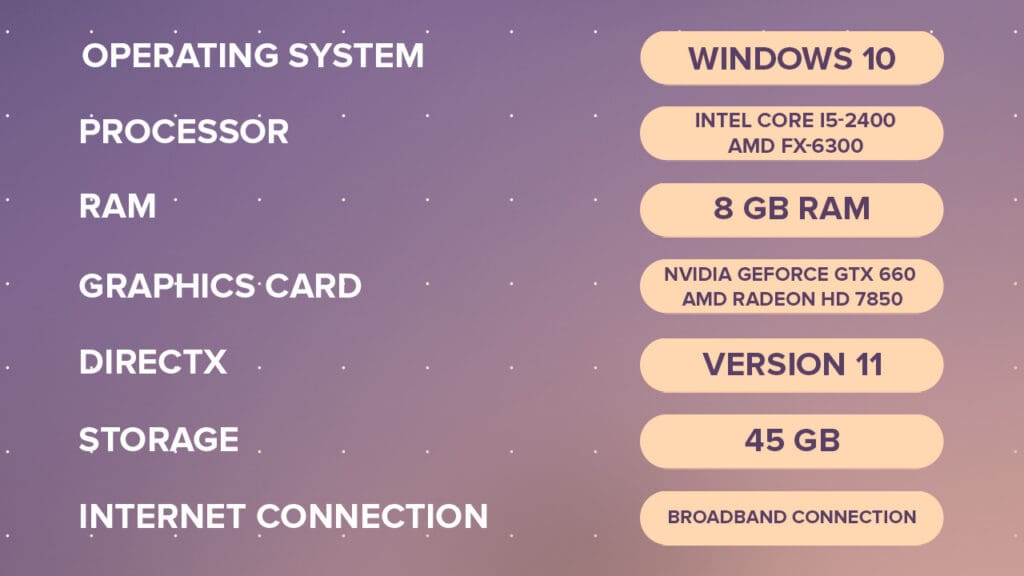
The migration from Counter-Strike: Global Offensive to Counter-Strike 2 (CS2) is not a mere update; it is a fundamental re-engineering of the game’s DNA. By shifting from the aging Source 1 (DirectX 9-based) architecture to the modern Source 2 engine, Valve has introduced a rendering pipeline that demands contemporary hardware. As an Information Architect, we must emphasize that the “minimalistic” requirements of the previous decade have been superseded by a need for high-bandwidth VRAM and multi-threaded CPU performance.
This transition ensures longevity but creates significant friction for users on legacy setups.
Advanced Rendering: PBR and Volumetric Physics
The most significant graphical advancements in CS2 are rooted in Physically Based Rendering (PBR) and 3D volumetric simulations.
- Physically Based Rendering (PBR): Source 2 calculates light interaction based on real-world material properties. Whether it’s the matte finish of a weapon or the reflective surface of water, the GPU must now calculate complex Fresnel equations and specular highlights in real-time. This increases the draw call count significantly compared to Source 1.
- Volumetric Smokes: Unlike the 2D “sprites” of the past, CS2 smoke is a voxel-based 3D object. It interacts with lighting, gunfire, and explosions. This is a compute-heavy task that requires modern GPU architectures capable of high-speed geometry processing. When a player throws a grenade into smoke, the engine recalculates the smoke’s density and “hole” geometry dynamically, which can cause frame drops on older cards.
- Sub-tick Updates: Beyond graphics, the “sub-tick” system changes how the engine processes movement and shooting. Instead of waiting for the next discrete tick (64 or 128 Hz), the engine records the exact moment of an action. This requires a stable, low-jitter CPU to ensure that the timestamping of packets is accurate, placing more emphasis on single-core clock speeds.
The Mac Friction: Metal API vs. Native Vulkan
For Mac users, the transition has been particularly arduous. CS2’s Source 2 engine is natively built for Vulkan and DirectX 11/12. Since macOS uses the Metal API, the game often requires a translation layer (like MoltenVK or Game Porting Toolkit) which introduces overhead.
Users on Apple Silicon (M1/M2/M3) benefit from unified memory, but the lack of a native macOS version at launch highlights a significant technical bottleneck. To achieve competitive frame rates, Mac users must rely on high-end configurations, moving away from the “casual gaming on a laptop” era. Checking requirements is no longer optional—it is the only way to avoid the thermal throttling and stuttering inherent in running such a complex engine on non-native APIs.