Executive Summary
- The emergence of the Nvidia N1 engineering motherboard signals a major shift toward ARM-based high-performance computing in the laptop and workstation sectors. Featuring a massive 128GB of LPDDR5X memory, this platform prioritizes professional workstation-grade performance and local AI inference over traditional gaming metrics.
Strategic Deep-Dive
Source: ExtremeTech
Date: 2026-04-23
The recent surfacing of the Nvidia N1 engineering motherboard marks a significant milestone in the evolution of mobile infrastructure, indicating that ARM CPUs are poised to dominate the high-end laptop and workstation market. This development represents more than just a component refresh; it is a fundamental architectural transition in how professional mobile computing power is delivered. Historically, the high-end laptop market has been tethered to x86 architectures, which often struggle with power-to-performance scaling in thin form factors.
The N1 signals Nvidia’s intent to disrupt this long-standing duopoly by offering an ARM-based platform that leverages the efficiency and high integration potential of the ARM instruction set.
At the heart of the N1’s technical appeal is its integration of 128GB of LPDDR5X memory. In the context of laptop architecture, 128GB is an extraordinary capacity that transcends the requirements of even the most demanding current-generation AAA games. This specification suggests that Nvidia is targeting a specific “workstation” niche, likely focusing on tasks such as local Large Language Model (LLM) inference, professional video rendering, and complex scientific simulations.
One of the primary advantages of the ARM transition in this context is the Unified Memory Architecture (UMA). Unlike traditional x86 systems that rely on the PCIe bus to move data between the CPU and discrete GPU—often creating a significant bottleneck—the N1’s ARM-based design allows both processing units to share the same high-speed LPDDR5X pool. This eliminates data duplication and reduces latency, which is critical for real-time AI workloads.
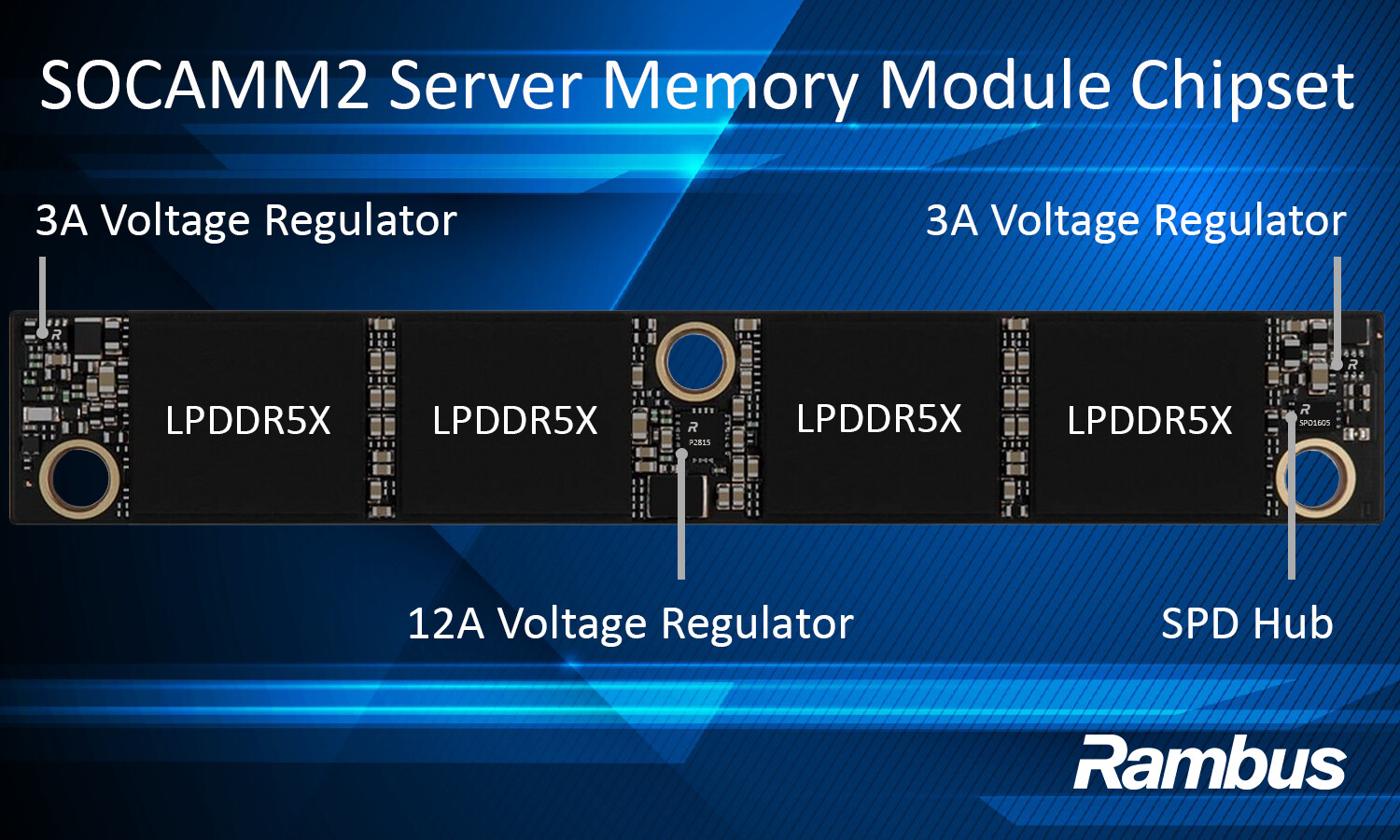
LPDDR5X was specifically chosen over traditional SO-DIMM slots for a technical reason: signal integrity and power efficiency. While SO-DIMM allows for modular upgrades, it introduces physical distance and connector resistance that limits maximum clock speeds. By soldering LPDDR5X directly to the motherboard, Nvidia can achieve the high-frequency data rates necessary to feed a powerful ARM CPU and GPU subsystem while maintaining a lower thermal envelope.
This is essential for a “workstation” laptop that must maintain sustained performance without the aggressive thermal throttling common in high-TDP x86 chips.
The market implications for the Nvidia N1 are vast. As AI development continues to decentralize from the cloud to the edge, the demand for laptops capable of handling substantial datasets locally is skyrocketing. A system equipped with 128GB of LPDDR5X would allow developers to run models like Llama-3-70B entirely in local memory with high-precision weights.
This shifts the value proposition from raw single-core clock speeds to total system throughput and memory capacity. By positioning itself as the architect of the entire mobile compute stack—CPU, GPU, and memory fabric—Nvidia is poised to redefine the “workstation” category. The N1 represents the vanguard of an era where high-capacity, efficient ARM platforms serve as the foundation for the next generation of professional hardware infrastructure, effectively challenging the supremacy of both Intel and Apple in the professional creative market.