Executive Summary
- Apple has confirmed a monumental transition at the top of its hierarchy: Tim Cook will officially step down as CEO on September 1, 2026. Taking his place is John Ternus, the current Senior Vice President of Hardware Engineering. This announcement marks the conclusion of the “Cook Era,” a fifteen-year period characterized by extraordinary operational discipline, supply chain mastery, and the transformation of Apple into a services-oriented financial titan. However, as the industry enters the AI-intensive hardware cycle, Apple’s board appears to be pivoting back toward an engineering-led leaders…
Strategic Deep-Dive
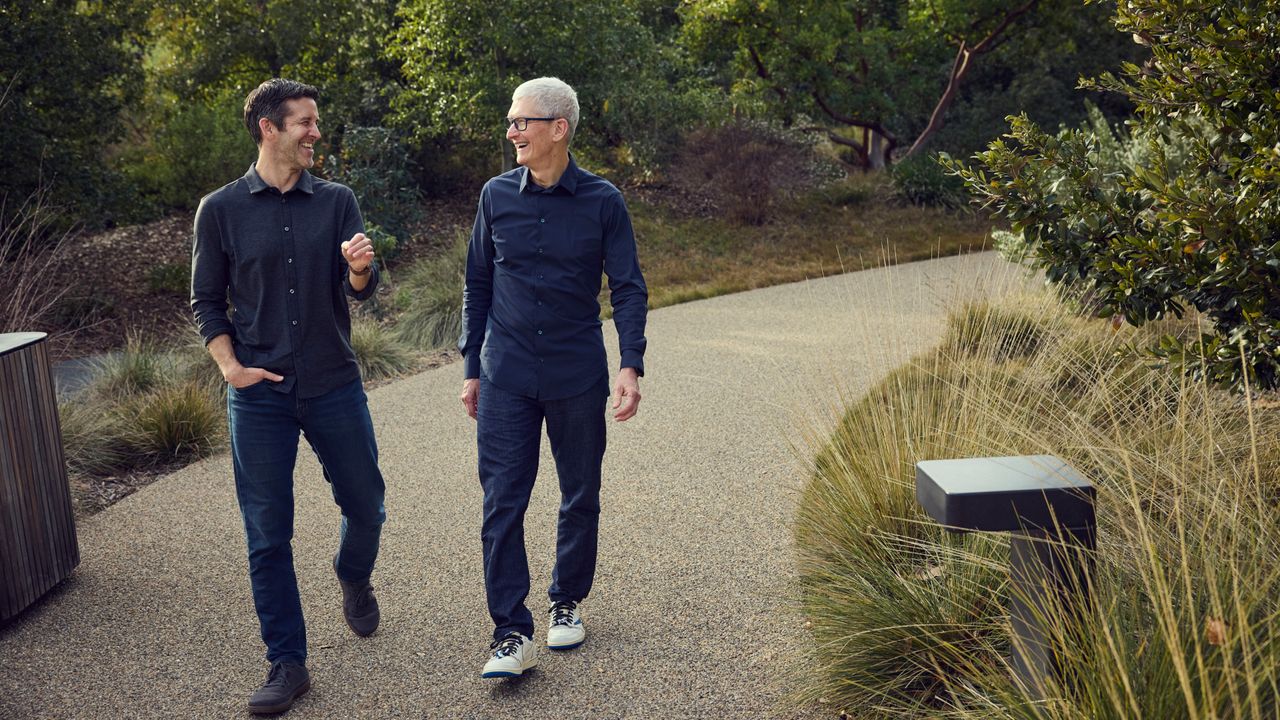
Apple has confirmed a monumental transition at the top of its hierarchy: Tim Cook will officially step down as CEO on September 1, 2026. Taking his place is John Ternus, the current Senior Vice President of Hardware Engineering. This announcement marks the conclusion of the “Cook Era,” a fifteen-year period characterized by extraordinary operational discipline, supply chain mastery, and the transformation of Apple into a services-oriented financial titan.
However, as the industry enters the AI-intensive hardware cycle, Apple’s board appears to be pivoting back toward an engineering-led leadership style, reminiscent of the company’s roots under Steve Jobs.
John Ternus is a deeply respected hardware veteran who has been a central figure in Apple’s most successful technical transitions, most notably the shift from Intel processors to the proprietary Apple Silicon architecture. Unlike Cook, whose background was in Inventory/Days Sales Outstanding (DSO) and supply chain logistics, Ternus is an engineer’s CEO. His deep involvement in the hardware design of the iPhone, iPad, and Mac lineups suggests that the company is ready to move beyond the incremental update cycles that some critics argued defined the latter half of Cook’s tenure.
The goal is clear: to reignite “groundbreaking” product innovation.
The leadership of Ternus is expected to foster a tighter synergy between hardware architecture and software execution—a necessity as Apple navigates the complexities of on-device AI and spatial computing. With the Vision Pro representing a new computing paradigm, the presence of a hardware expert at the helm could accelerate internal development cycles and enable more daring architectural choices. Ternus’s understanding of semiconductor physics and thermal management will be vital as Apple seeks to cram increasingly powerful Neural Engines into thinner, more efficient form factors.
Comparatively, this transition mirrors the leadership models of other tech leaders like NVIDIA’s Jensen Huang, where the CEO is deeply embedded in the technical and architectural vision. Under Ternus, Apple may shift its internal KPIs from pure supply chain optimization and margin maintenance toward “hardware breakthroughs” and engineering-first milestones. While Tim Cook’s legacy of financial stability is undeniable, the Ternus era will be judged by its ability to deliver a “next big thing” that can define the next decade of personal computing, moving away from the era of “Inventory King” to a period of “Engineering Excellence.”