Executive Summary
- The global memory industry is entering a new era of structural strain as the AI boom forces a radical shift in NAND and DRAM demand. In a strategic maneuver, Samsung and SK Hynix are upgrading their Chinese manufacturing plants to replace legacy production with high-performance AI-grade memory solutions, ensuring their position in an increasingly supply-constrained market.
Strategic Deep-Dive
The global memory chip industry is navigating a profound period of restructuring as the artificial intelligence boom shifts the center of gravity for computing demand. Historically, the memory market was driven by consumer electronics cycles, but the rise of generative AI has introduced a new phase of ‘structural strain.’ Industry reports indicate that both DRAM and NAND flash are witnessing a rapid tightening of supply, driven by the massive expansion of AI-centric data centers. This surge has forced industry leaders Samsung Electronics and SK Hynix to re-evaluate their global manufacturing footprint, with a particular focus on their significant assets in China.
Modernizing China: A Tactical Pivot to AI-Grade NAND
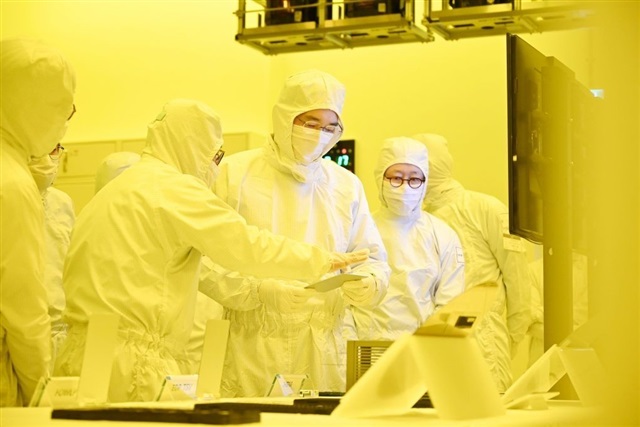
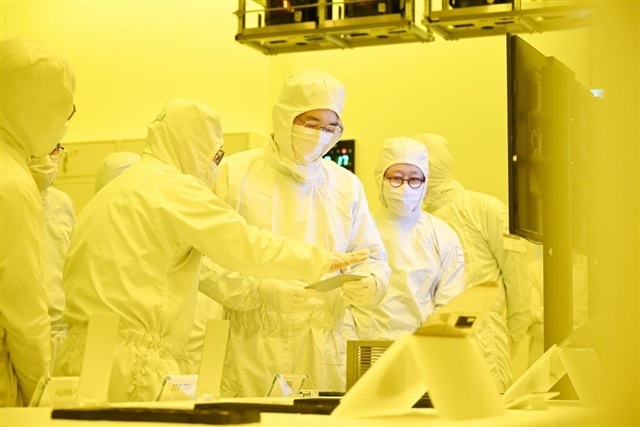
To address the immediate supply deficit, Samsung and SK Hynix are accelerating the modernization of their production lines in China. These facilities, once the bedrock of legacy NAND production, are being upgraded to produce the high-density, high-speed memory modules required for modern AI infrastructure. This transition involves implementing advanced vertical stacking technology (V-NAND) and shifting production toward Enterprise SSDs (eSSDs).
As AI models grow in complexity, the need for rapid data ingestion and storage has made the performance of the NAND layer just as critical as the logic layer. By upgrading existing Chinese fabs, these companies can bypass the lengthy construction times of new greenfield sites, allowing them to inject much-needed capacity into the global market more quickly than would otherwise be possible.
Navigating the Convergence of Demand and Geopolitical Risk
From an investigative standpoint, the decision to double down on Chinese plant upgrades is a complex balancing act. The companies must navigate a landscape defined by the convergence of insatiable AI demand and tightening global trade regulations. However, the ’new phase of strain’ in the memory market makes the utilization of every available wafer-start essential.
The move to high-spec NAND production in China reflects a tactical necessity: the AI boom has resurrected the NAND market from its recent slump, creating a high-margin opportunity that requires immediate scale. Samsung and SK Hynix are effectively repurposing their Chinese infrastructure to serve as a high-tech reservoir, feeding the global demand for AI-standard storage while managing the overhead of their global manufacturing costs.
The Future of the Restructured Memory Market
As we look toward the future, the memory industry is moving away from the commodity-driven ‘volume wars’ of the past. The restructuring of China-based plants is a signal that the industry is entering a more mature, value-driven phase. The success of these upgrades will determine how well Samsung and SK Hynix can mitigate global shortages and whether they can maintain their manufacturing edge in an era where AI dictates the hardware specifications.
This period of restructuring highlights that flexibility—the ability to pivot legacy capacity to cutting-edge AI standards—is now the primary determinant of success in the global semiconductor ecosystem. The convergence of AI demand and tightening supply chains suggests that the memory industry will remain in a state of ’tactical tension’ for the next several years, with Chinese facilities playing a central role in the global supply strategy.