Executive Summary
- In a move that redefines the boundaries of vertical integration, Elon Musk’s SpaceX has announced plans to establish its own multi-billion dollar semiconductor fabrication facility (fab) to produce proprietary GPUs. This ambitious initiative is unfolding against the backdrop of a reported $1.75 trillion IPO valuation, positioning the aerospace giant as a nascent powerhouse in the silicon manufacturing sector. By transitioning from a major consumer of high-performance computing components to a primary manufacturer, SpaceX aims to eliminate its reliance on third-party vendors and secure its tech…
Strategic Deep-Dive
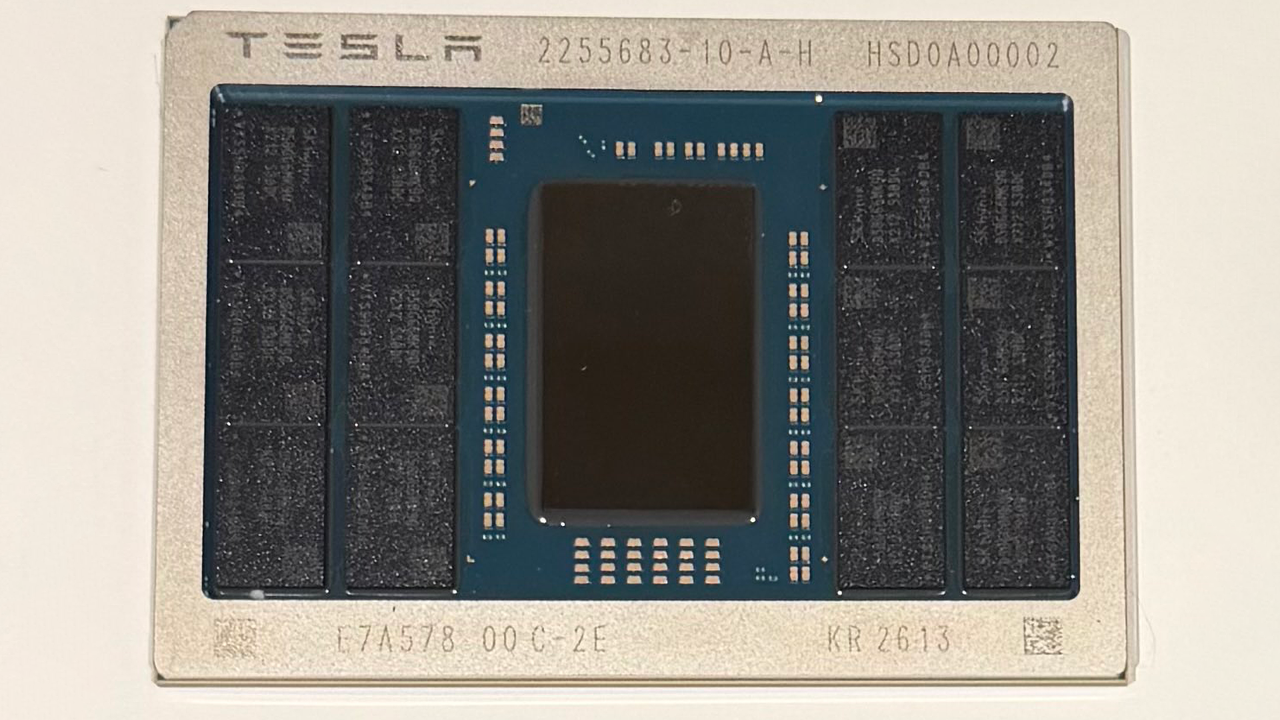
In a move that redefines the boundaries of vertical integration, Elon Musk’s SpaceX has announced plans to establish its own multi-billion dollar semiconductor fabrication facility (fab) to produce proprietary GPUs. This ambitious initiative is unfolding against the backdrop of a reported $1.75 trillion IPO valuation, positioning the aerospace giant as a nascent powerhouse in the silicon manufacturing sector. By transitioning from a major consumer of high-performance computing components to a primary manufacturer, SpaceX aims to eliminate its reliance on third-party vendors and secure its technological sovereignty in the face of persistent global supply chain volatility.
The strategic rationale for an in-house fab is multi-faceted. Musk has explicitly warned that the limited availability of advanced silicon poses an existential threat to SpaceX’s long-term objectives, particularly for the Starlink satellite mega-constellation and the AI-driven navigation systems of its Starship fleet. Unlike consumer-grade GPUs, the silicon required for space applications must adhere to stringent ‘radiation-hardening’ standards and operate under extreme thermal cycles.
By controlling the entire manufacturing process—from the initial architectural design to the final photolithography steps—SpaceX can optimize its chips for these niche environments in ways that general-purpose hardware cannot. From a technical perspective, this involves securing access to specialized EDA (Electronic Design Automation) toolchains and building a world-class team of lithography and process engineers, a capital-intensive endeavor that only a firm with a $1.75 trillion valuation could realistically sustain.
From an analyst’s viewpoint, SpaceX’s ‘Big Silicon’ strategy reflects a broader trend where hyper-scale technology companies are becoming ‘Silicon-native.’ However, moving into the ‘Fab’ space is a significantly higher-risk maneuver than merely designing chips (the ‘Fabless’ model adopted by Apple or Amazon). Operating a fab requires managing complex yield curves, chemical supply chains, and the rapid depreciation of multi-hundred-million-dollar scanners. Success would grant SpaceX an unprecedented competitive advantage, allowing it to iterate on its hardware at the same ‘rapid prototyping’ pace it uses for its rocket engines.
It would also insulate the company’s valuation from the price swings and allocation quotas of the GPU market. If SpaceX succeeds in verticalizing silicon production, it will set a new precedent for the aerospace industry, proving that in the 21st century, the most successful transportation companies are essentially semiconductor companies that happen to build rockets. This move effectively solidifies the company’s $1.75 trillion narrative, as it is no longer just a launch provider, but a vertically integrated tech sovereign controlling its own compute destiny from the wafer up to the orbit.