Executive Summary
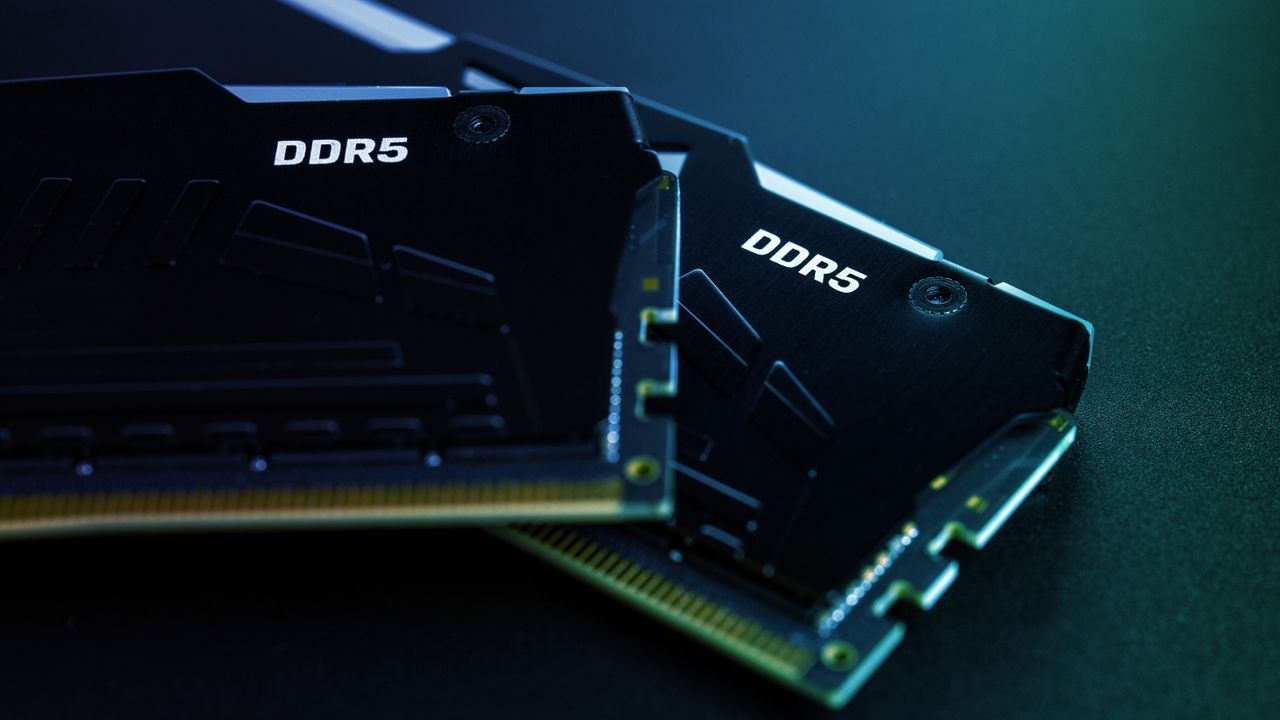
- AMD has officially released the EXPO 1.2 specification for its AM5 platform, broadening its vendor support to include three prominent Chinese memory manufacturers. While the update enhances current memory stability and overclocking profiles, its primary technical objective is to pave the way for the next-generation Zen 6 memory controller architecture.
Strategic Deep-Dive
AMD is fortifying the AM5 ecosystem with the release of the EXPO 1.2 specification, a refined iteration of its Extended Profiles for Overclocking. From the standpoint of a data systems architect, this move is as much about supply chain resilience as it is about raw frequency gains. The official onboarding of three major Chinese memory vendors into the EXPO certification program marks a strategic shift toward diversifying the high-speed DRAM landscape.
By standardizing advanced memory latency timings and voltage rail configurations for a broader array of regional manufacturers, AMD ensures that high-performance memory is not a niche luxury but a widely available commodity for the Ryzen platform. This expansion is critical for maintaining the AM5 platform’s competitive TCO (Total Cost of Ownership) over its long-promised lifecycle.
Technically, EXPO 1.2 introduces more granular control over secondary and tertiary memory timings, which are essential for reducing system-level latency in memory-sensitive workloads like 1440p/4K gaming and large-scale data compilation. However, the immediate performance impact for existing Zen 4 and Zen 5 users might be relatively subtle. The consensus among hardware analysts is that the heavy lifting performed by EXPO 1.2 is intended for the upcoming Zen 6 architecture.
Zen 6 is rumored to feature a significant overhaul of the Integrated Memory Controller (IMC), requiring the tighter signal integrity and power delivery standards defined in the 1.2 spec. By establishing these standards now, AMD is ensuring that when Zen 6 debuts with its expected IPC gains, a mature market of DDR5 modules capable of hitting higher ‘sweet spot’ frequencies will already be in place.
Furthermore, the inclusion of Chinese vendors suggests that AMD is aggressively targeting regional market growth where local manufacturing is key to dominance. This move pressures established incumbents to innovate further on timings and reliability. For the end-user, EXPO 1.2 represents a future-proofing layer.
It provides the AM5 motherboard infrastructure with the necessary BIOS-level hooks to handle the next generation of high-density, high-speed DIMMs that will define the Zen 6 era. As memory training times and stability remain key pain points for modern high-speed DDR5 systems, the refinements in EXPO 1.2 are a welcome step toward a more robust and predictable overclocking experience across the global hardware stack.