Executive Summary
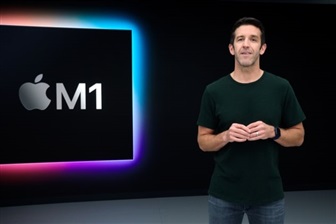
- John Ternus takes the helm at Apple during a volatile period where hardware dominance is challenged by AI agents. Meanwhile, Elon Musk’s $60 billion interest in Cursor highlights the astronomical valuations of AI-native dev tools.
Strategic Deep-Dive
The appointment of John Ternus as Apple’s CEO marks the end of the ‘Supply Chain Master’ era and the beginning of the ‘AI-Hardware Integration’ era. However, the shadow of Elon Musk’s potential $60 billion bid for Cursor looms large over Cupertino. Cursor, an AI-native developer environment, represents a seismic shift in how software is built—moving from manual coding to agentic orchestration.
Musk’s interest is a strategic play for the underlying infrastructure of the next software revolution. Yet, from a data strategist’s perspective, the $60 billion figure is deeply problematic. It values a thin layer (a VS Code fork with integrated LLM APIs) at nearly the same market cap as established giants like Dell or Workday.
This valuation screams speculative bubble. While Cursor has captured the mindshare of developers, it remains tethered to the very foundational models—like those from OpenAI or Anthropic—that its potential acquirer could easily disrupt. For Ternus, the challenge is clear: Apple’s ecosystem depends on developers.
If the means of production (the coding tools) shift toward an AI-agent model controlled by figures like Musk, the traditional App Store gatekeeping model becomes obsolete. The transition of power at Apple, coinciding with this hyper-valuation of AI developer tools, indicates a broader industry anxiety: the hardware is durable, but the software layer is being completely re-architected by autonomous agents. Whether the $60 billion for Cursor is a visionary investment or a symptom of late-stage AI hype will define the first year of Ternus’s tenure.