Executive Summary
- Horizon Robotics is launching an ambitious strategic push against Tesla, focusing on comprehensive system-level architectural redesigns rather than incremental feature upgrades in the intelligent electric vehicle and autonomous driving chip market.
Strategic Deep-Dive
The global landscape of the intelligent electric vehicle (EV) market is undergoing a seismic shift, characterized by a transition away from the era of incremental feature updates and modular software enhancements. As we move into the second half of the decade, the primary battlefield for automotive innovation has moved toward comprehensive, system-level redesigns. Within this context, China’s Horizon Robotics is mounting a formidable strategic offensive, positioning itself as the most direct architectural challenger to Tesla’s long-standing dominance in the autonomous driving sector.
This move signals a departure from the traditional supplier-client relationship toward a more integrated, platform-centric competition.
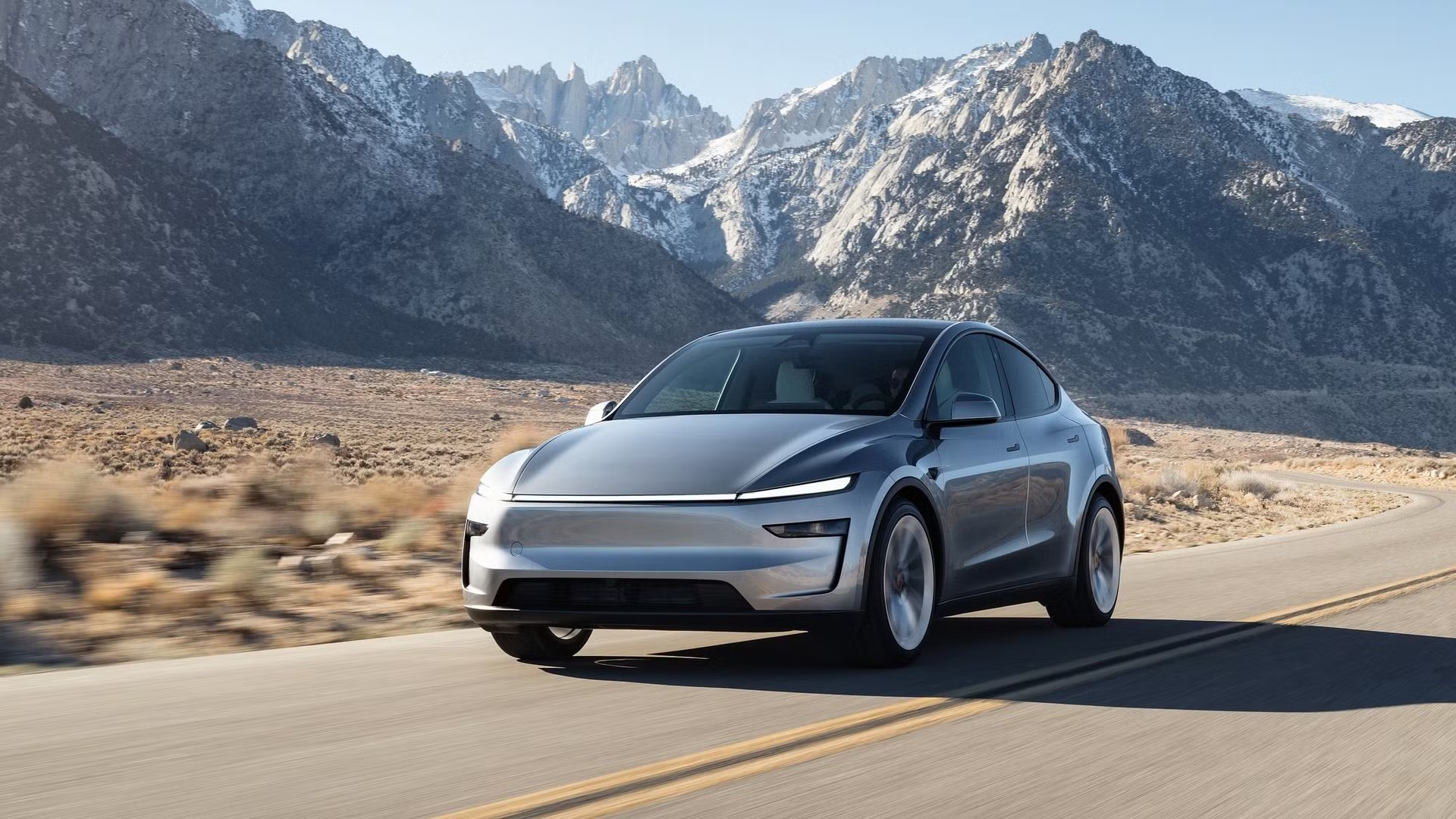
Central to Horizon Robotics’ new strategy is a fundamental critique of the current state of vehicle intelligence. Historically, legacy automakers relied on fragmented Electronic Control Units (ECUs) provided by various Tier-1 suppliers, leading to a ‘black box’ architecture that is difficult to update and optimize. In contrast, Tesla’s success was built on a vertically integrated model where the hardware and software are designed in tandem to work as a unified system.
Horizon Robotics is now offering a counter-strategy: a high-performance, system-level platform that allows other OEMs to achieve Tesla-like integration without being locked into a closed ecosystem. By focusing on a holistic redesign, Horizon aims to eliminate the latencies and inefficiencies inherent in fragmented hardware setups.
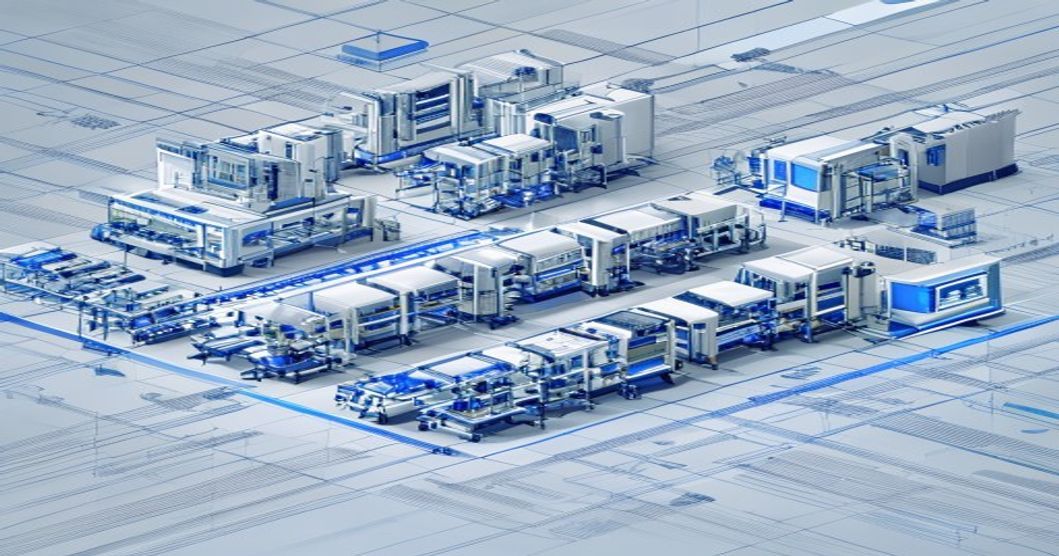
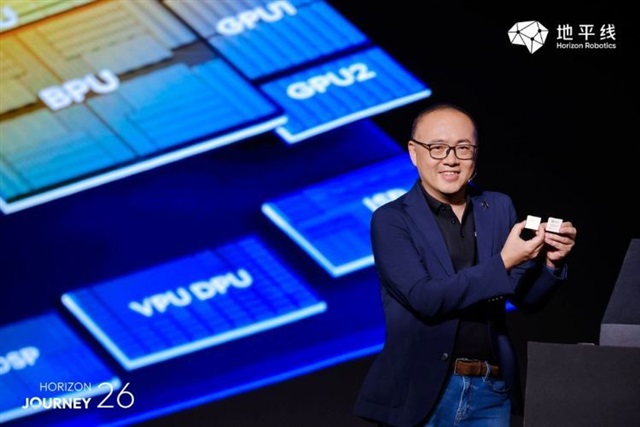
The technical focus of Horizon’s push involves a deep integration of high-performance system-on-chip (SoC) hardware with optimized software compiler stacks. This ‘system-level’ approach is designed to facilitate the industry’s transition toward centralized Electronic/Electrical (E/E) architectures. Instead of dozens of small MCUs handling individual features, Horizon’s platform promotes the use of powerful domain controllers that can manage perception, planning, and control within a single, high-efficiency compute environment.
This architecture is essential for supporting advanced ADAS features and Level 3+ autonomous driving, where the volume of data from LiDAR, cameras, and radar requires a level of throughput that modular architectures simply cannot provide.
By positioning itself as an architectural leader, Horizon Robotics is tapping into the growing desire among global and domestic Chinese automakers to develop proprietary ‘software-defined vehicles.’ Horizon provides the necessary ‘brain’—a combination of silicon and software tools—that acts as the foundation for this transformation. As the competition for the ‘brain’ of the intelligent EV intensifies, Horizon’s ability to provide a flexible yet highly optimized system-level platform serves as a vital alternative to Tesla’s FSD (Full Self-Driving) hardware. The struggle between Horizon and Tesla is no longer just about who has the most ‘TOPS’ (Tera Operations Per Second); it is about whose system-level architecture can more effectively bridge the gap between complex artificial intelligence algorithms and the physical realities of vehicle control.
As this rivalry matures, the outcomes will likely redefine the global standards for autonomous driving hardware and the future of the automotive supply chain.