Executive Summary
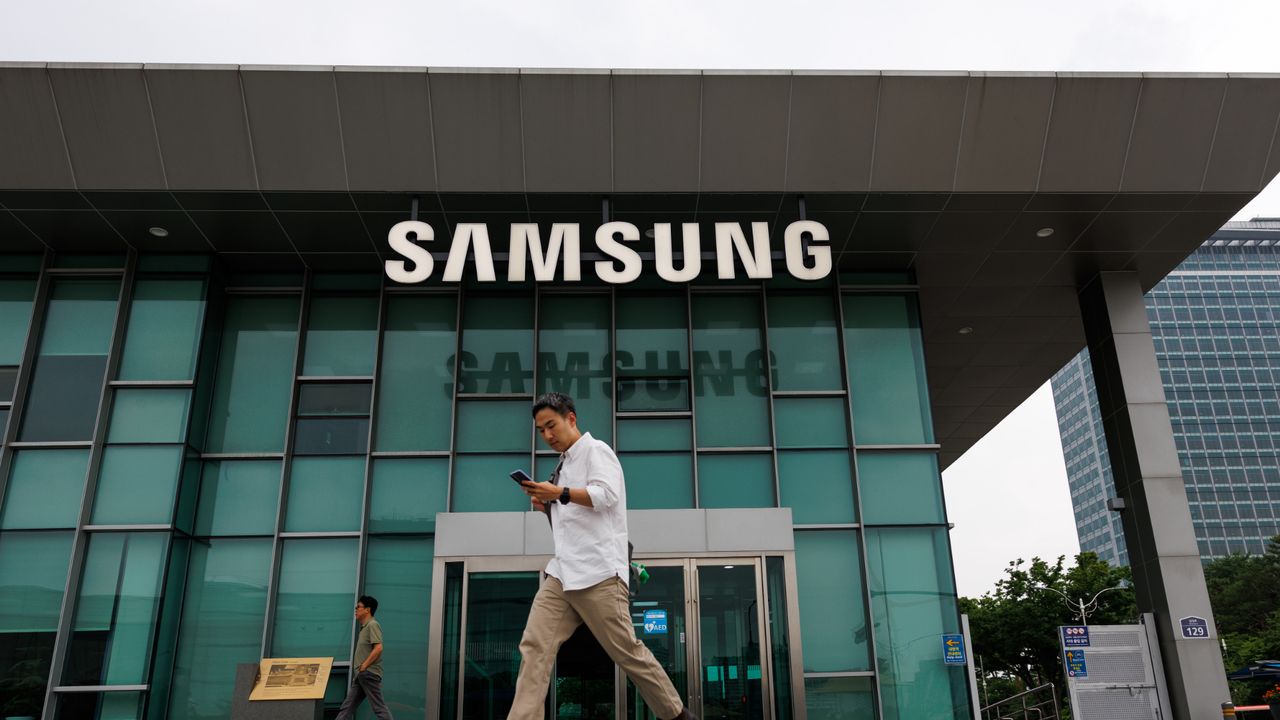
- Samsung Electronics faces a massive 58% production drop during night shifts due to a large-scale strike involving over 40,000 workers demanding record-high bonuses of up to $400,000.
Strategic Deep-Dive
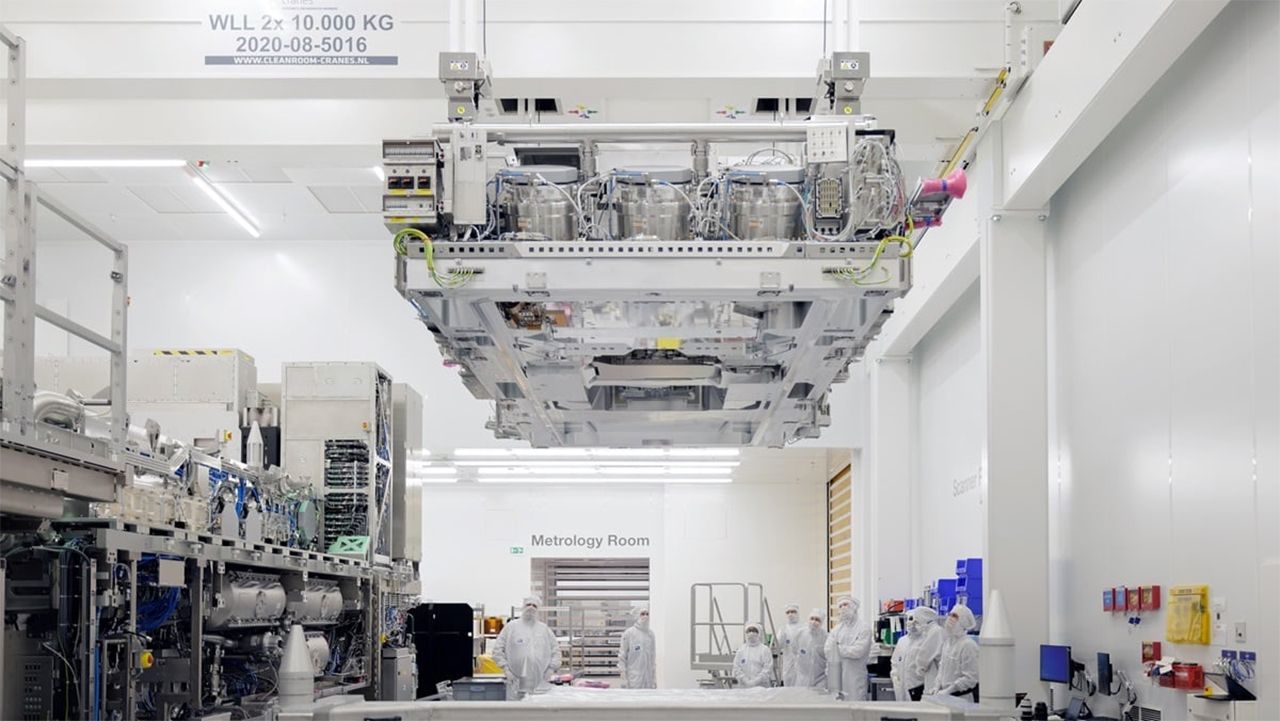
The global semiconductor supply chain is bracing for severe volatility as Samsung Electronics, the world’s leading memory provider and a top-tier contract chip foundry, reports a catastrophic decline in fab output. Following a high-profile one-day strike action, internal data indicates that production levels during the critical night shift plummeted by as much as 58%. This disruption hits at the heart of Samsung’s operational capabilities, affecting both its high-bandwidth memory (HBM) lines and its advanced node foundry business.
The scale of the labor action is truly unprecedented in the company’s history, with updated figures confirming that over 40,000 workers participated in a massive rally to voice their grievances over pay and incentive structures in an era of record AI-driven profits.
At the center of the conflict is an assertive demand for bonuses reaching up to $400,000 per worker, alongside significant base wage increases. The union’s stance reflects a growing tension within South Korea’s high-tech labor force, where employees are demanding a more equitable share of the windfalls generated by the generative AI boom. From an analyst’s perspective, the 58% production drop serves as a stark reminder of the physical vulnerability of even the most highly automated semiconductor facilities to labor strikes.
While these fabs utilize advanced robotics to handle wafers, the specialized human personnel required to manage the complex lithography, chemical mechanical polishing, and etching processes remain an indispensable bottleneck. A sudden exodus of these skilled technicians leads to immediate ‘Work-in-Progress’ (WIP) stagnation and potential yield loss, which is incredibly costly to rectify once the line restarts.
Management now faces a ticking clock. The union has explicitly threatened to extend the labor action to a continuous 18-day strike if their demands for up to $400,000 in bonuses are not met. Such an extension would move the situation from a temporary hiccup to a systemic failure for Samsung’s global clients, including hyperscalers and mobile OEMs who rely on just-in-time delivery for memory and custom SoCs.
For the foundry division, which has been fighting an uphill battle to gain market share against TSMC, this internal instability could drive major customers like Qualcomm or NVIDIA toward more stable rival fabricators. Furthermore, a sustained strike would likely trigger a sharp spike in spot prices for DRAM and NAND flash, as the market prices in the risk of a prolonged supply vacuum. As the standoff intensifies, the industry is watching whether Samsung can stabilize its workforce through a compromise or if the 18-day threat will manifest into a global chip shortage that could derail the broader tech recovery.