Executive Summary
- SoftBank is mitigating the critical energy bottleneck in AI scaling by converting a former Sharp LCD plant into a battery hub, utilizing Lordstown’s modular manufacturing to bridge the five-year infrastructure gap.
Strategic Deep-Dive
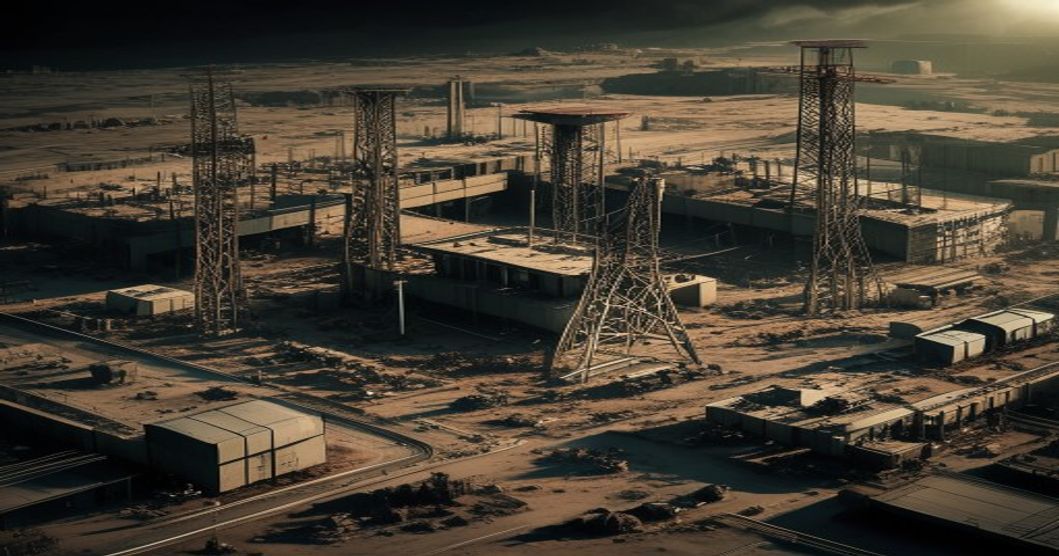
In a strategic move that reflects the evolving hardware requirements of the generative AI era, SoftBank Corp. has announced the conversion of the former Sharp LCD factory in Sakai, Osaka, into a massive battery production facility. This pivot addresses a fundamental reality voiced by industry leaders: AI data centers cannot wait five years for traditional power infrastructure to catch up.
While the Sakai plant is targeted for full-scale production by 2031, SoftBank is deploying a sophisticated multi-layered strategy to bridge the immediate demand gap.
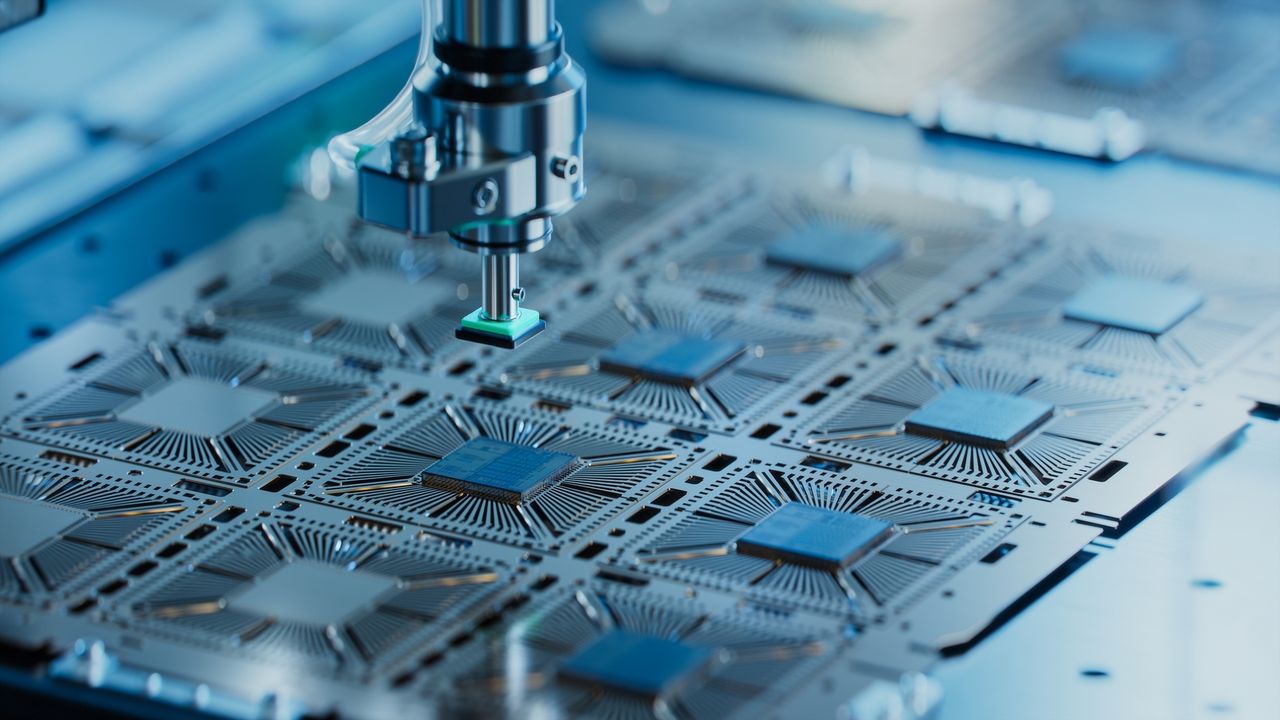
The core of this strategy lies in SoftBank’s vertical integration stack. By controlling the primary components of the AI value chain—Arm for CPU architecture, Graphcore for IPU acceleration, and Ampere for cloud-native processing—SoftBank has already optimized the silicon layer. However, the physical layer remains the bottleneck.
To solve the ‘five-year problem,’ SoftBank is leveraging its partnership with Lordstown to implement modular data center manufacturing. This approach allows for the rapid deployment of pre-fabricated, energy-efficient compute nodes that can be incrementally powered by the Sakai facility’s output as it scales.
This infrastructure pivot is a masterclass in repurposing legacy industrial assets for the AI economy. The Sakai plant, once the crown jewel of Japan’s display industry, will now provide the energy density required to sustain high-performance computing clusters. By integrating SB Energy’s renewable generation with dedicated on-site battery storage, SoftBank is creating a self-sustaining ecosystem that bypasses the constraints of the traditional power grid.
For a Data Architect, this represents a shift toward ‘Compute-as-a-Resource,’ where energy storage is treated as a critical buffer for the unpredictable loads of large-scale LLM inference and training. SoftBank’s ability to synchronize its battery production timeline with modular hardware deployment will determine its dominance in the next decade of AI infrastructure.