Executive Summary
- Home Assistant is fundamentally reshaping the smart home landscape by providing monthly technical updates that reintegrate legacy hardware into modern, local-first automation ecosystems.
Strategic Deep-Dive
The Technical Evolution of Open-Source Interoperability
In the contemporary Internet of Things (IoT) landscape, the functional lifespan of a smart device is frequently dictated not by its physical durability, but by the arbitrary longevity of its vendor-supplied software support. Recent technical intelligence from How-To Geek underscores a pivotal shift in this paradigm, centered on the Home Assistant ecosystem. As a premier open-source home automation platform, Home Assistant is systematically dismantling the proprietary barriers that lead to premature hardware obsolescence.
By introducing support for an expanding array of legacy devices every month, the platform provides a robust technical bridge that allows users to salvage hardware that original manufacturers have long since abandoned or sequestered behind failing cloud infrastructures.
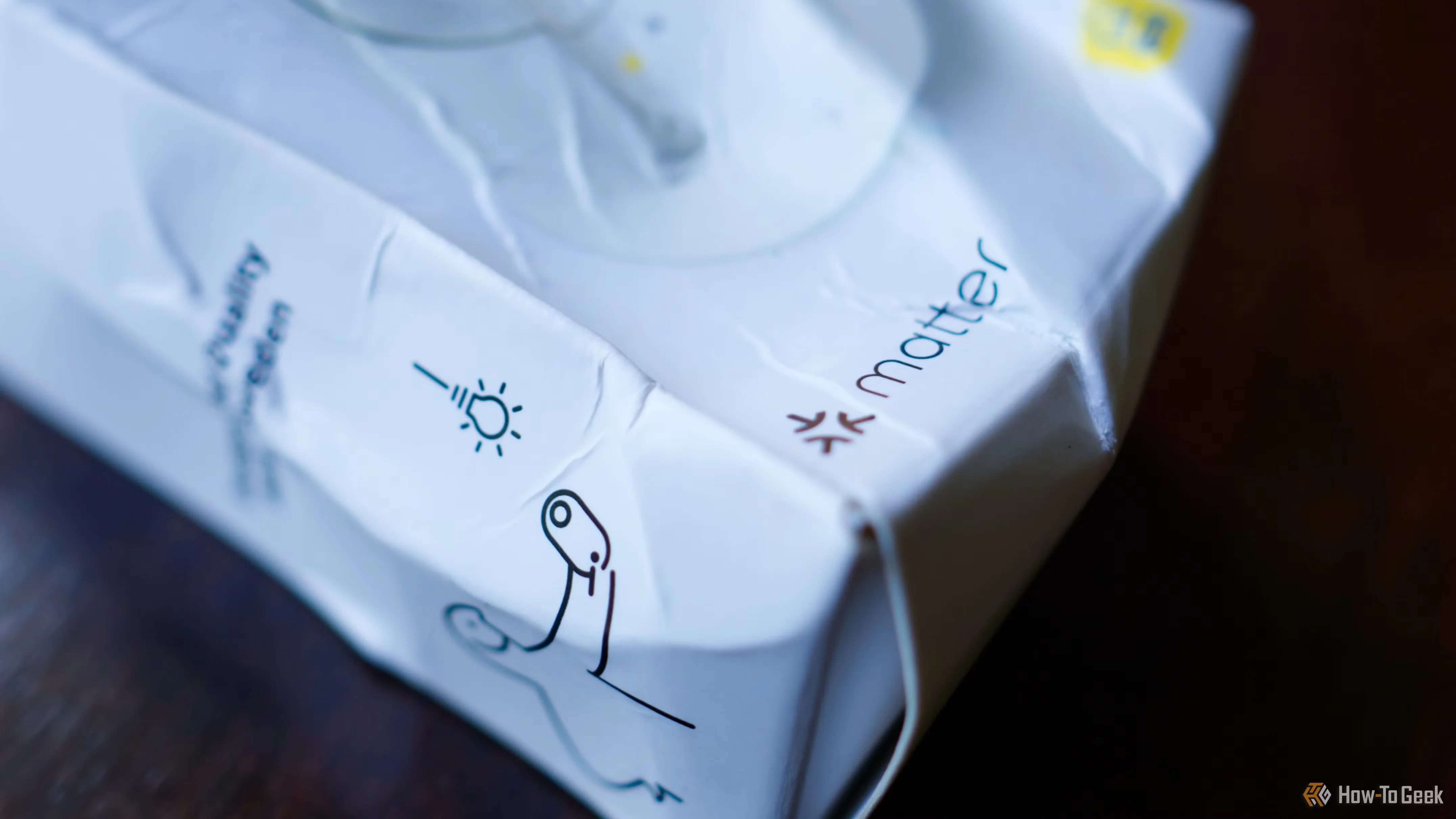
From a systems architect’s perspective, the strength of Home Assistant lies in its protocol-agnostic framework. Whether a device communicates via Zigbee, Z-Wave, Matter, or older proprietary Wi-Fi APIs, Home Assistant acts as a localized translation layer. This decoupling of the hardware layer from the manufacturer’s backend is a fundamental achievement in “Software-Defined Sustainability.” Instead of the industry-standard “rip and replace” cycle, users are empowered to maintain and optimize their existing investments.
The platform leverages a community-driven development model where technical contributors reverse-engineer closed APIs and implement local polling mechanisms, ensuring that a sensor or light switch remains operational even if the original company ceases to exist.
Furthermore, the implementation of complex automation via YAML configuration and Blueprints allows for a level of sophisticated logic that legacy apps never provided. By integrating these older devices into a unified, local-first controller, Home Assistant eliminates the latency and privacy concerns inherent in cloud-dependent systems. This approach signals a broader industry trend where the value proposition of a smart device is increasingly defined by its ability to integrate with open frameworks rather than its standalone features.
For the professional developer and the technical enthusiast, this represents the ultimate future-proofing strategy. By prioritizing interoperability and local control, Home Assistant is proving that with the right software architecture, hardware is rarely truly obsolete; it is simply waiting for a more capable orchestrator to unlock its latent utility.