Executive Summary
- The looming financial crisis within Samsung’s smartphone division serves as a stark structural warning for vertically integrated conglomerates in the AI era. We are witnessing the ‘cannibalization of the legacy star’: Samsung’s semiconductor arm, riding the wave of unprecedented AI-driven demand, is effectively pricing its own mobile division out of the market. As internal resources are redirected to high-margin AI data center products, the mobile unit is left to absorb the shock of inflated component costs for the Galaxy S26 Ultra. This is no longer a synergy; it is a structural liability. Th…
Strategic Deep-Dive
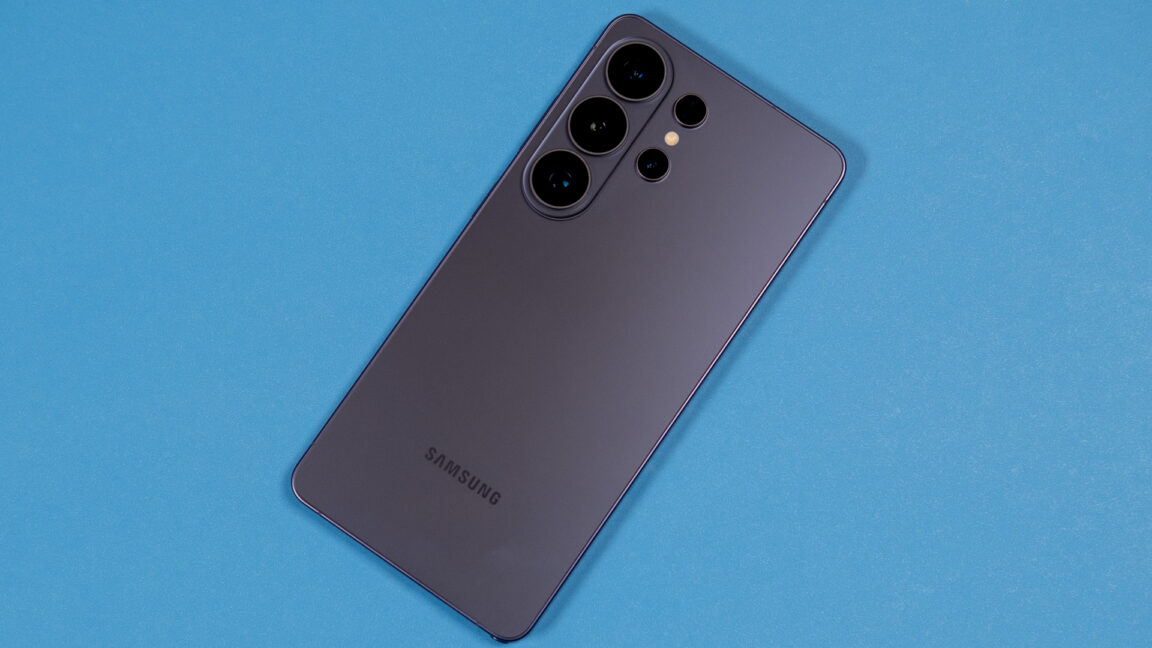
The looming financial crisis within Samsung’s smartphone division serves as a stark structural warning for vertically integrated conglomerates in the AI era. We are witnessing the ‘cannibalization of the legacy star’: Samsung’s semiconductor arm, riding the wave of unprecedented AI-driven demand, is effectively pricing its own mobile division out of the market. As internal resources are redirected to high-margin AI data center products, the mobile unit is left to absorb the shock of inflated component costs for the Galaxy S26 Ultra.
This is no longer a synergy; it is a structural liability. The irony is profound—the AI boom that Samsung helps power is the same force threatening to push its consumer hardware business into a historic loss. This scenario demands a radical re-evaluation of supply chain diversification.
If a hardware leader cannot insulate its own flagship products from internal market forces, it exposes a fundamental vulnerability in the integrated model, suggesting that in an age of compute scarcity, even the largest giants are susceptible to being hollowed out by their own most profitable components.