Executive Summary
- Intel has reportedly cancelled its Celestial Xe3P-based discrete gaming GPUs, signaling a permanent retreat from the high-end discrete graphics market to focus on integrated Tile-based architectures for CPUs.
Strategic Deep-Dive
The ‘Walking Ghost’ Project: Decoding the Cancellation of Celestial Xe3P
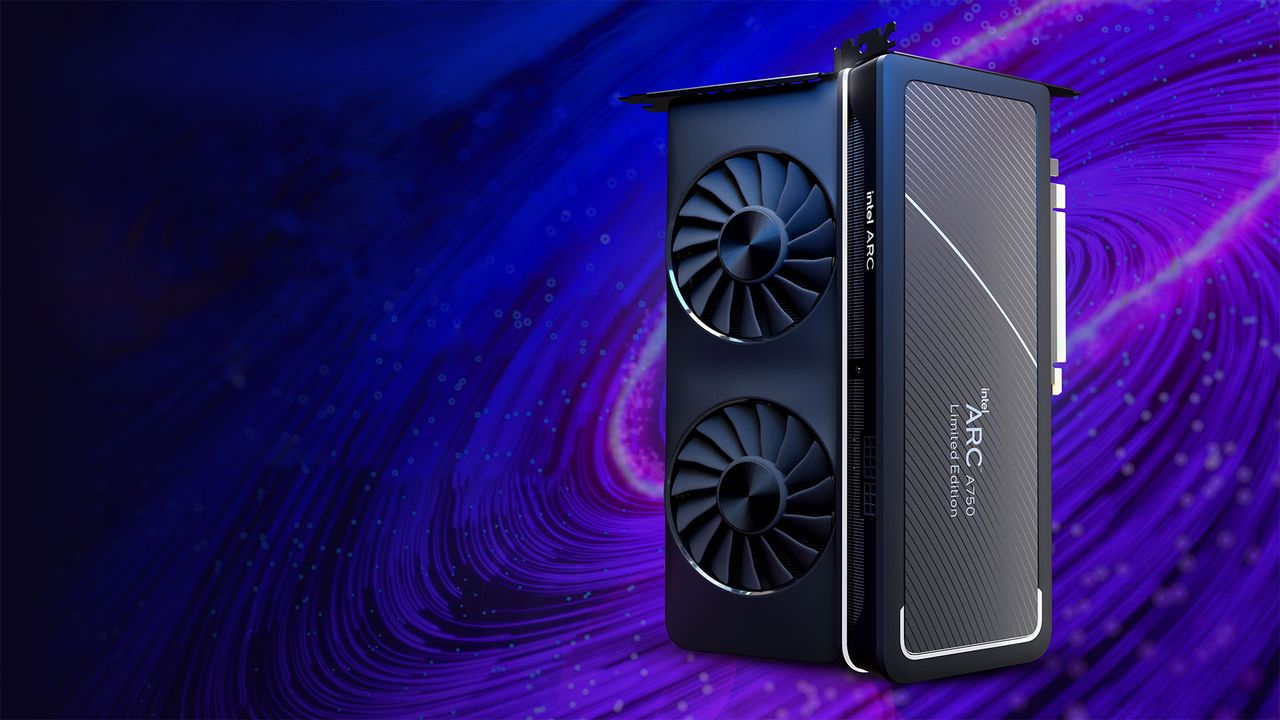
The graphics industry has received confirmation of what many analysts had long suspected: Intel is effectively withdrawing from the high-stakes discrete gaming GPU market. The reported cancellation of the ARC ‘Celestial’ Xe3P architecture marks the end of Intel’s ambition to become a third pillar in the desktop graphics space. The “P” in Xe3P specifically denoted the high-performance variant designed for dedicated gaming cards.
Its removal from the roadmap indicates that Intel has abandoned the chase for NVIDIA’s high-end RTX dominance. Crucially, internal leaks suggest this decision was finalized “long ago,” implying that the ARC project has been a “walking ghost” for several quarters, even as marketing teams continued to promote the preceding Battlemage architecture.
Battlemage B580: A Dead-End Generation
The immediate victim of this strategic pivot is the ‘Battlemage’ (Xe2) generation, specifically the upcoming B580. In a healthy product cycle, the B580 would serve as a baseline for users expecting an upgrade path to Celestial in 2026 or 2027. By severing the connection to a discrete successor, Intel has left the B580 in a state of architectural isolation.
For the enthusiast consumer, buying into a platform with no future is a high-risk proposition. This isolation will likely lead to a decline in driver development focus over time, as Intel’s software engineers will naturally prioritize the integrated versions of these architectures that ship in millions of laptops rather than the thousands of discrete cards sold to desktop users. This move effectively ends the “ARC” era as a competitive alternative to the NVIDIA/AMD duopoly in the DIY PC market.
The Pivot to Integrated Excellence and Handheld Dominance
While the discrete dream is over, the Celestial IP is not being discarded. Instead, Intel is pivoting toward a “graphics as a feature” strategy. By integrating the Xe3 architecture into its mobile and desktop SoCs via tile-based manufacturing, Intel can leverage its graphics R&D to boost its competitive standing in the ultrabook and handheld gaming market (e.g., competitors to the Steam Deck or ROG Ally).
This shift allows Intel to avoid the massive R&D overhead and supply chain complexities associated with high-end desktop PCBs, memory sourcing, and cooling solutions. The strategic focus is now clear: dominate the integrated graphics (iGPU) space where Intel already has a massive install base, and use the power-efficient traits of the Celestial architecture to win the laptop efficiency war against Qualcomm and Apple.
Long-Term Market Impact and Consumer Choice
The exit of Intel from the high-end discrete market is a net loss for consumers. The market was briefly buoyed by the hope that Intel would drive down prices in the mid-range segment. Without a Celestial-based Xe3P card to keep them in check, NVIDIA and AMD are likely to maintain their pricing power, particularly in the $400-$700 price brackets.
For Intel, this is a retreat to the fortress—protecting its core CPU business by making its integrated graphics “good enough” for the majority of users, while conceding the enthusiast gaming crown. The industry must now look to Intel’s next-generation processors to see if the Celestial architecture can truly deliver on its promise when constrained within a CPU power envelope, rather than thriving in a dedicated 250W discrete package.