Executive Summary
- Despite being in 2026, many PC builders remain tethered to storage myths established a decade ago. This synthesis explores the financial inefficiency of purchasing ‘ultra-expensive’ NVMe drives, where the delta between marketing-led sequential speeds and real-world I/O performance results in hundreds of dollars of wasted capital.
Strategic Deep-Dive
Dismantling the 10-Year-Old Sequential Speed Myth
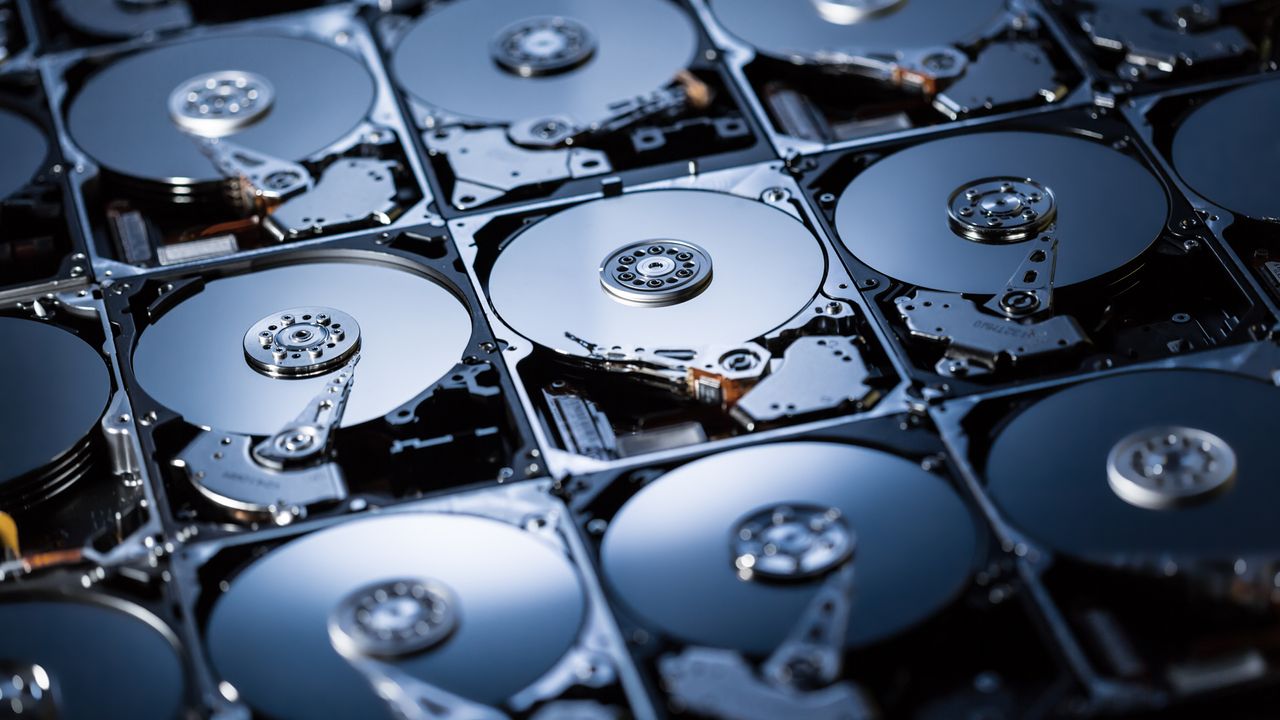
In the technology landscape of 2026, we are witnessing a strange paradox: while silicon performance has advanced exponentially, consumer purchasing logic remains trapped in 2016. The most pervasive ‘10-year-old myth’ centers on the belief that sequential read/write speeds—the primary metric marketed by SSD manufacturers—directly correlate with the perceived ‘snappiness’ of a PC. A decade ago, the jump from mechanical HDDs to SATA SSDs provided a transformative 5x speed increase that users could feel in every click.
Today, the move from a standard NVMe drive to an ‘ultra-expensive’ PCIe 6.0 flagship might represent a 10x paper-spec increase, but the real-world delta for OS booting and application loading is often measured in milliseconds. As a systems architect, it is clear that we have hit a point of diminishing returns where hardware capability far outstrips the requirements of the standard Windows or Linux kernel I/O stack.
Architectural Bottlenecks: Why Gen6 Speed Often Lies Idle
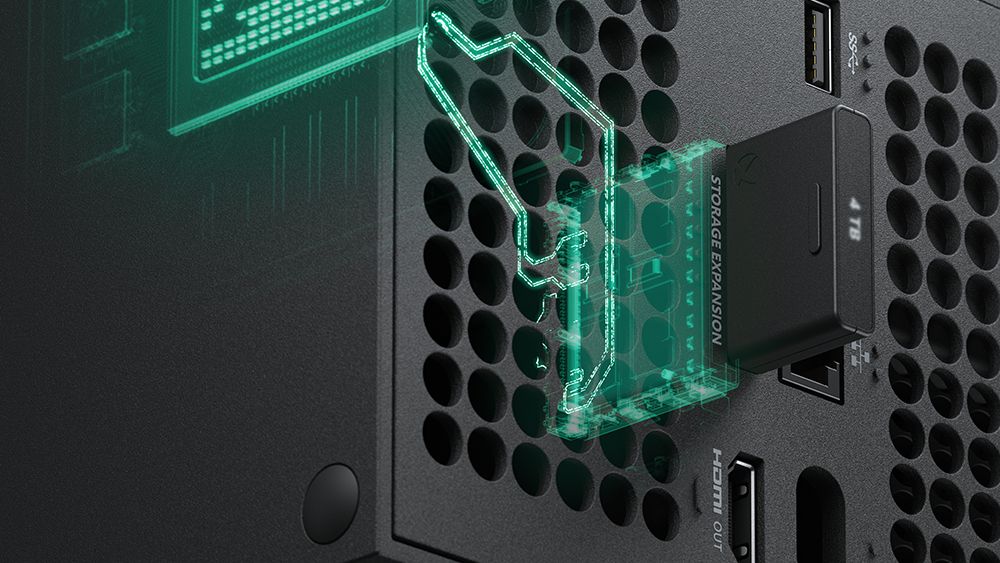
The reality of 2026 computing is that the software layer is the true bottleneck, not the hardware interface. Despite the emergence of technologies like DirectStorage 2.0+, the vast majority of consumer applications and games are still bound by single-threaded CPU limits and legacy filesystem overhead. When a user installs an ‘ultra-expensive’ SSD capable of 14GB/s into a consumer motherboard, they are often fighting a losing battle against thermal throttling and unutilized PCIe lanes.
The NAND flash architecture itself faces endurance and heat challenges that frequently force these drives to downshift to standard speeds during sustained workloads. Consequently, the premium paid for ‘bleeding-edge’ storage is essentially a payment for a theoretical peak that is rarely reached in a standard chassis environment. The overhead of the modern I/O stack means that whether you are using a 3,500MB/s drive or a 14,000MB/s drive, the user experience remains frustratingly identical.
The ‘Wasting Hundreds’ Phenomenon: A Financial Post-Mortem
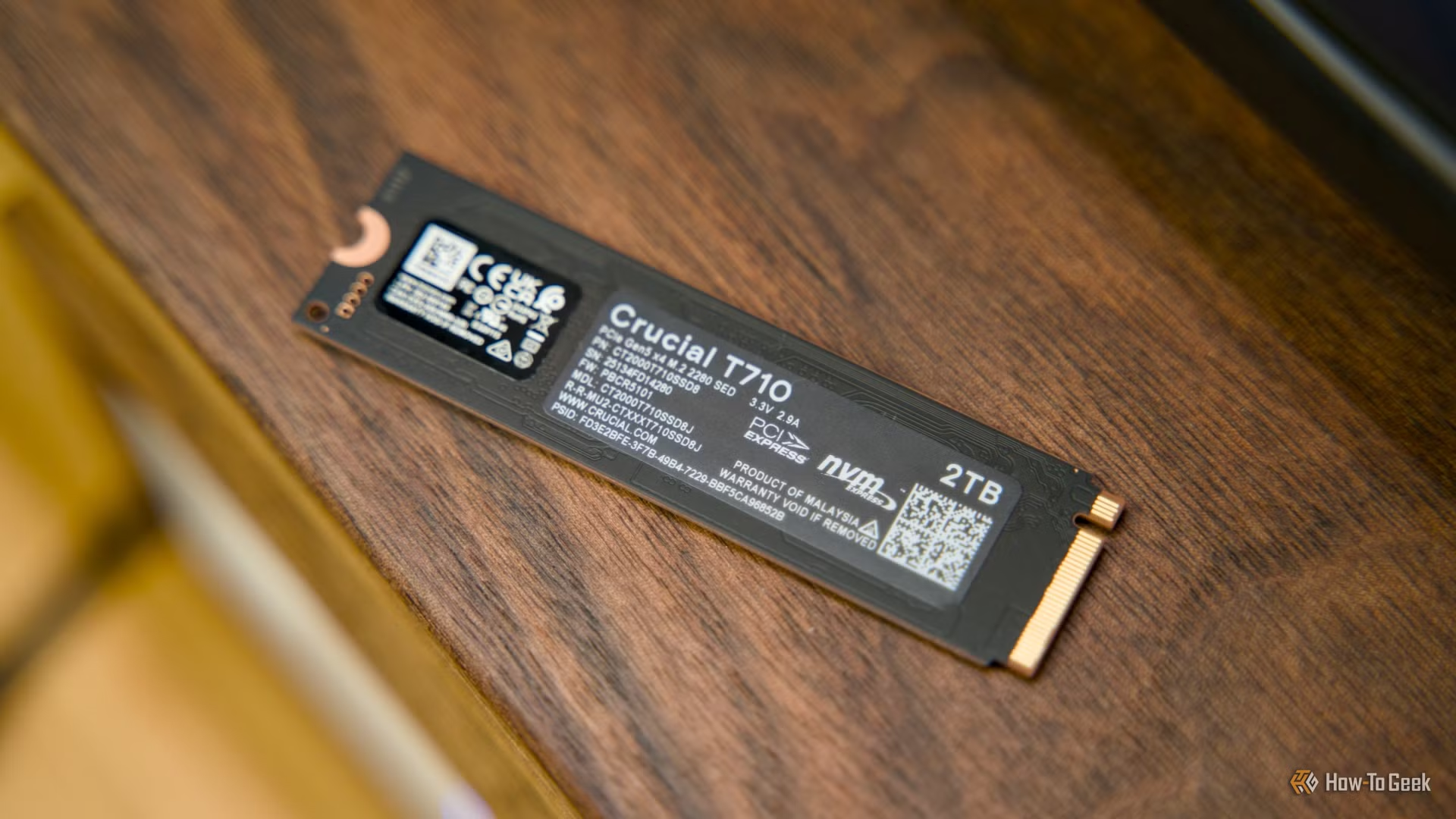
From a data-driven perspective, the financial inefficiency of over-speccing storage in 2026 is staggering. We are seeing enthusiasts spend $400 on specialized 2TB NVMe drives when $150 alternatives offer indistinguishable daily performance. This ‘wasting hundreds’ phenomenon represents a massive misallocation of capital.
That $250 delta is the difference between a mid-range build and a high-end powerhouse. By adhering to outdated myths, builders are sacrificing GPU compute units, higher-clocked DDR6 memory, or superior thermal solutions—all of which would provide a tangible increase in frames-per-second or rendering speed. In the 2026 hardware ecosystem, storage should be viewed as a commodity; beyond a certain threshold of IOPS and latency, every additional dollar spent on sequential throughput is effectively dead capital.
Conclusion: Rationalizing the 2026 PC Build
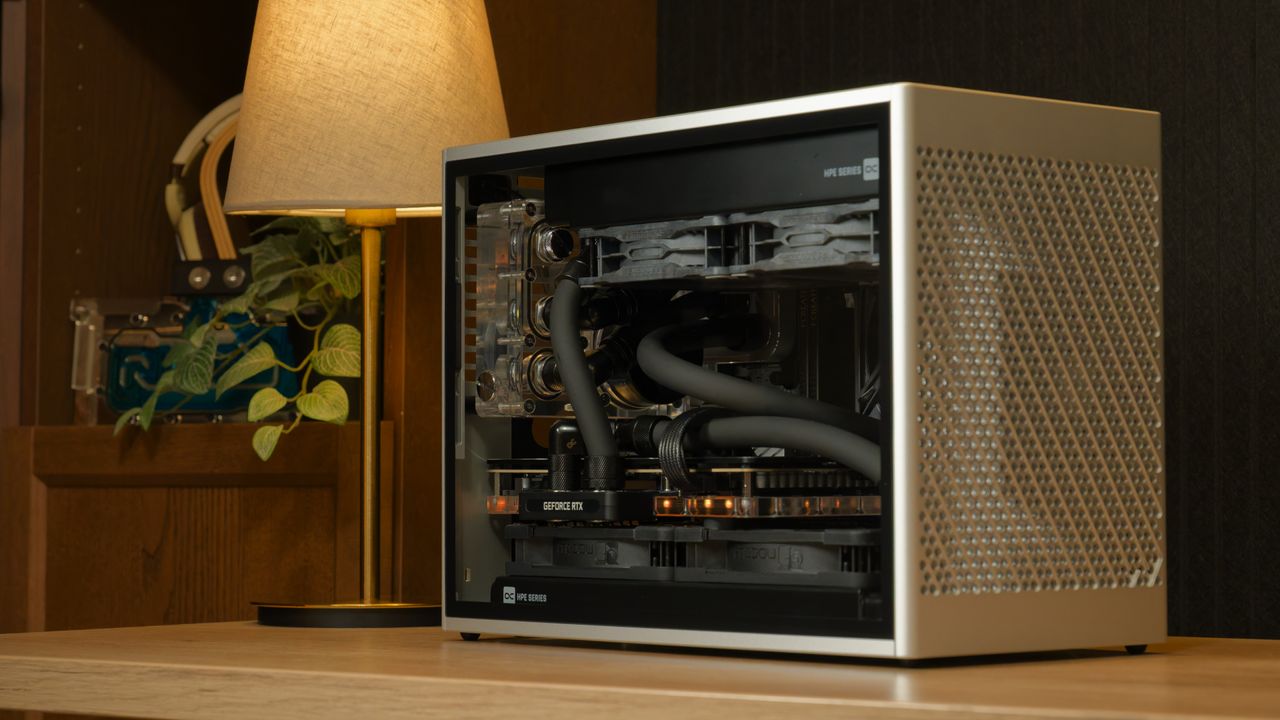
To optimize a build in the current era, one must prioritize random access latency and sustained IOPS over the headline-grabbing sequential numbers found on the box. The 10-year-old myth persists because it is easy to market, but as system architects, we must advocate for a holistic view of performance. Until software architectures evolve to fully saturate the massive lanes of PCIe 6.0, the smartest move for any builder is to avoid the ‘ultra-expensive’ trap.
Invest your hundreds of dollars where they actually matter—in the processors and accelerators that define the 2026 computing experience, rather than in storage that will spend 99% of its life waiting for the CPU to catch up.