Executive Summary
- China’s tightening of tungsten export restrictions is creating a strategic bottleneck for aerospace and defense, while unexpectedly crippling niche hobbyist markets.
- The ‘hobby world’—including competitive darts and high-end fishing gear—is facing severe supply shocks due to the material’s unique density (19.3g/cm³).
- The move is accelerating global efforts in ‘friend-shoring’ supply chains to Vietnam and Canada, alongside advancements in scrap carbide recycling metallurgy.
Strategic Deep-Dive
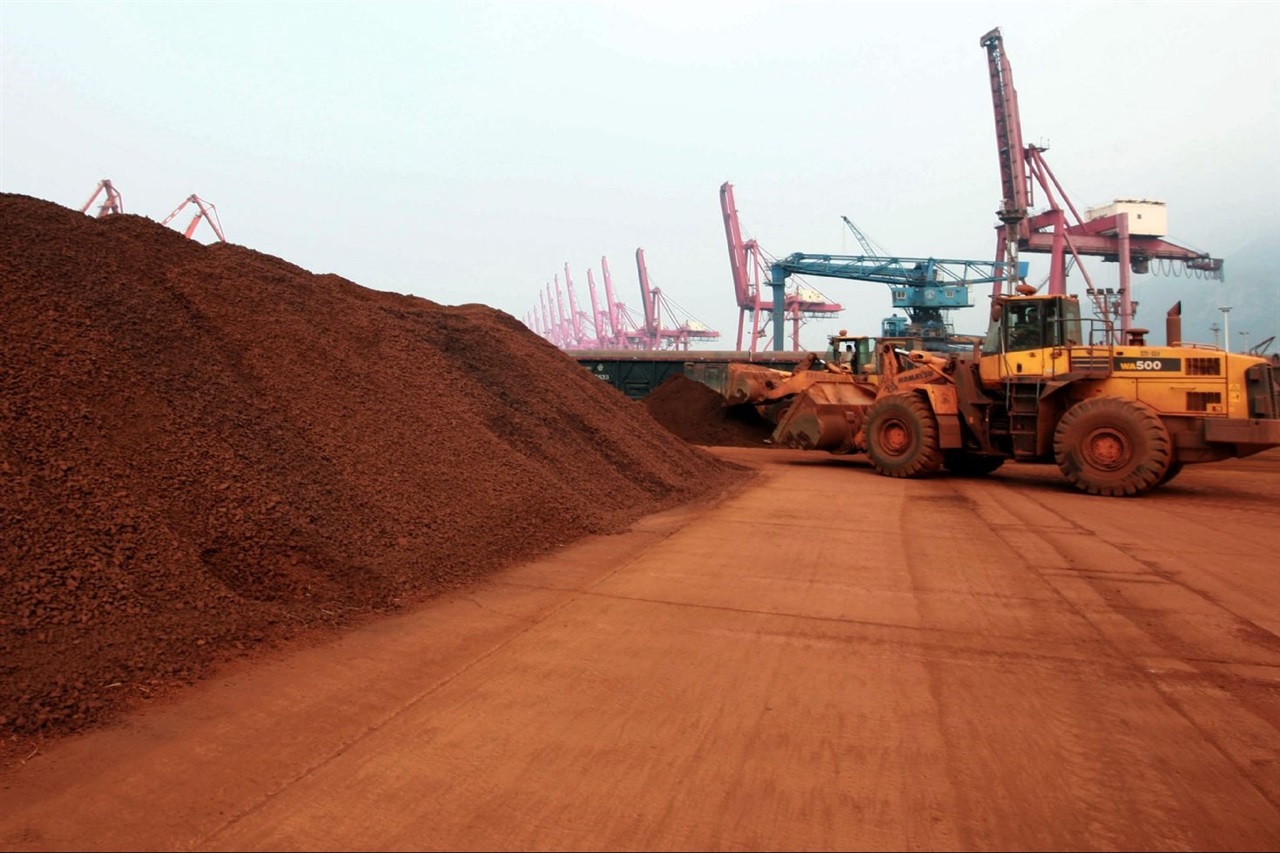
The weaponization of industrial minerals has entered a more aggressive phase with China’s latest export restrictions on tungsten. As a critical material characterized by its extreme melting point and a density of 19.3g/cm³, tungsten is the backbone of the aerospace, defense, and high-precision machining sectors. However, China’s decision to tighten export licenses has sent shockwaves far beyond the military-industrial complex, landing a direct hit on the ‘hobby world.’ Professional darts, specialized fishing weights, and high-fidelity scale model components rely on tungsten’s unique mass-to-volume ratio.
The sudden contraction in supply has caused prices for these consumer goods to skyrocket, with some manufacturers reporting lead times extending into late 2026. This phenomenon serves as a stark reminder that in a globalized economy, resource nationalism does not stop at the gates of strategic industries; it disrupts the pastimes and wallets of ordinary citizens. From a supply chain architectural perspective, the ’tungsten trap’ highlights the danger of a monopolized upstream flow.
China currently controls the vast majority of global smelting and refining capacity, giving it the power to dictate terms to the entire downstream ecosystem. In response, we are seeing a rapid acceleration of ‘de-risking’ strategies. Nations like Canada and Vietnam are being looked at as primary alternatives for raw ore, but the real innovation is happening in the field of secondary metallurgy.
Advanced recycling processes are being developed to reclaim tungsten from discarded carbide inserts used in industrial milling, effectively creating a ‘circular’ supply chain that is less dependent on Chinese ore. For global procurement teams, the era of cheap, reliable Chinese tungsten is over. The new architecture for material sourcing must incorporate geopolitical risk as a primary variable.
This means moving toward a ‘Just-in-Case’ inventory model, which, while increasing overhead, ensures operational continuity against arbitrary export quotas. As we move deeper into this era of resource nationalism, the ability to secure and recycle strategic minerals like tungsten will become as critical a competitive advantage as any software algorithm or semiconductor design. The ‘hobby world’ struggle is merely the canary in the coal mine for a much larger, more systemic shift in global trade dynamics where raw material access is no longer guaranteed by the market, but by geopolitical alignment.