🔍 Executive Summary
- The mass production of 1.6T optical modules by Broadcom and Marvell addresses the critical data transfer bottleneck, setting the stage for 2026 AI data center scaling.
Strategic Deep-Dive
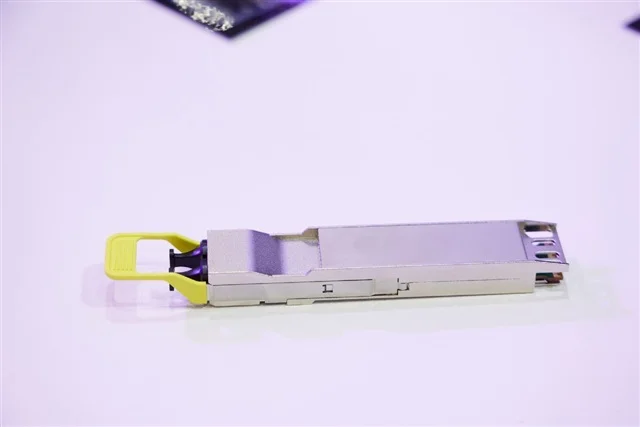
As AI models continue to scale, the speed of data transfer between servers has become a critical bottleneck for system performance. To address this, 1.6T optical modules are poised for widespread deployment in AI data centers by 2026. Industry leaders Broadcom and Marvell are at the forefront of this transition.
Broadcom has initiated volume production of its advanced Digital Signal Processor (DSP) chips, while Marvell has begun testing and shipping its fully integrated Light Engine components. These parts are essential for the next generation of optical transceivers, offering double the bandwidth of current 800G modules while maintaining strict power efficiency standards. Both companies expect revenue contributions from 1.6T products to grow sequentially throughout the year.
This shift toward 1.6T connectivity signifies that hardware innovation is moving beyond the processor itself to the networking fabric that binds AI clusters together.