🔍 Executive Summary
- Cerebras Systems officially filed for its Nasdaq IPO on April 17, 2026, marking a pivotal moment for the AI chip industry.
- The company achieved a significant financial turnaround, swinging from a $484.8 million net loss in 2024 to a $87.9 million net profit in 2025.
- A deep-rooted strategic partnership with UAE-based G42 has become the primary engine for revenue and a catalyst for supply chain restructuring.
Strategic Deep-Dive
Cerebras Systems has officially initiated its journey toward the public markets by filing for an initial public offering (IPO) on the Nasdaq, dated April 17, 2026. This move provides a rare and transparent look into the financials of a pure-play AI hardware unicorn that is challenging the dominance of industry incumbents like NVIDIA. The filing reveals a staggering financial pivot: in 2024, the company recorded a net loss of $484.8 million on $290 million in revenue, a performance typical of high-burn-rate hardware startups.
However, by the end of fiscal year 2025, Cerebras reported a net profit of $87.9 million on $510 million in revenue, effectively proving the commercial viability of its unique wafer-scale architecture.
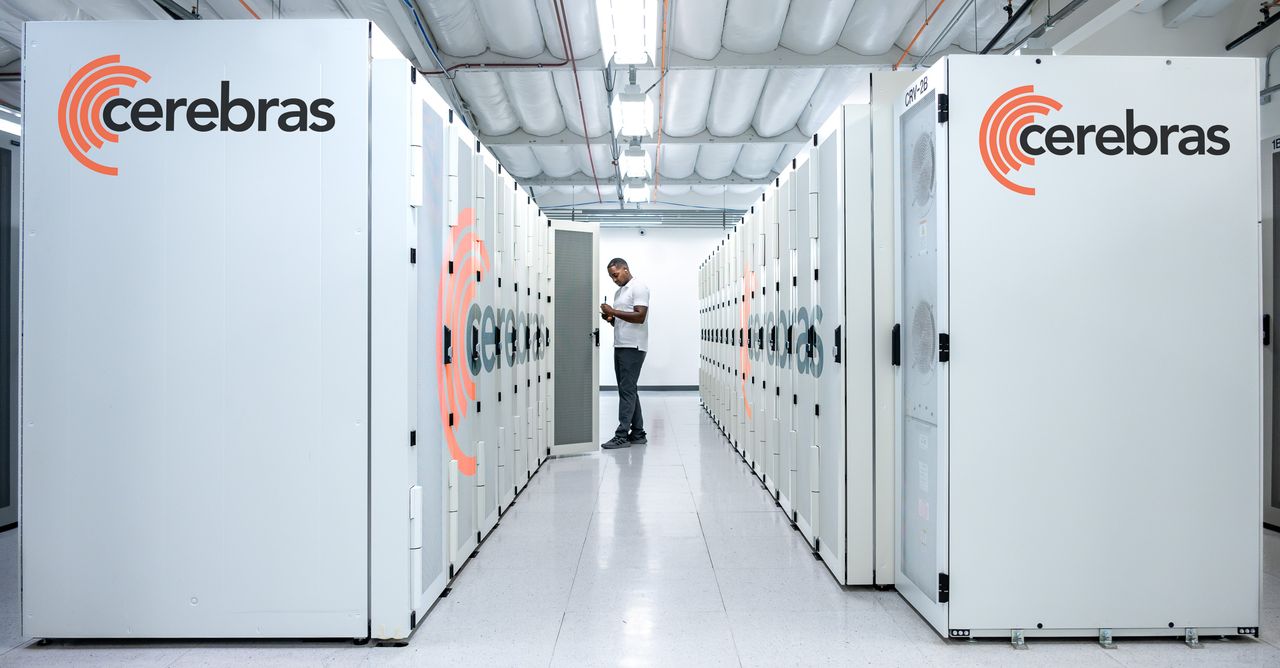
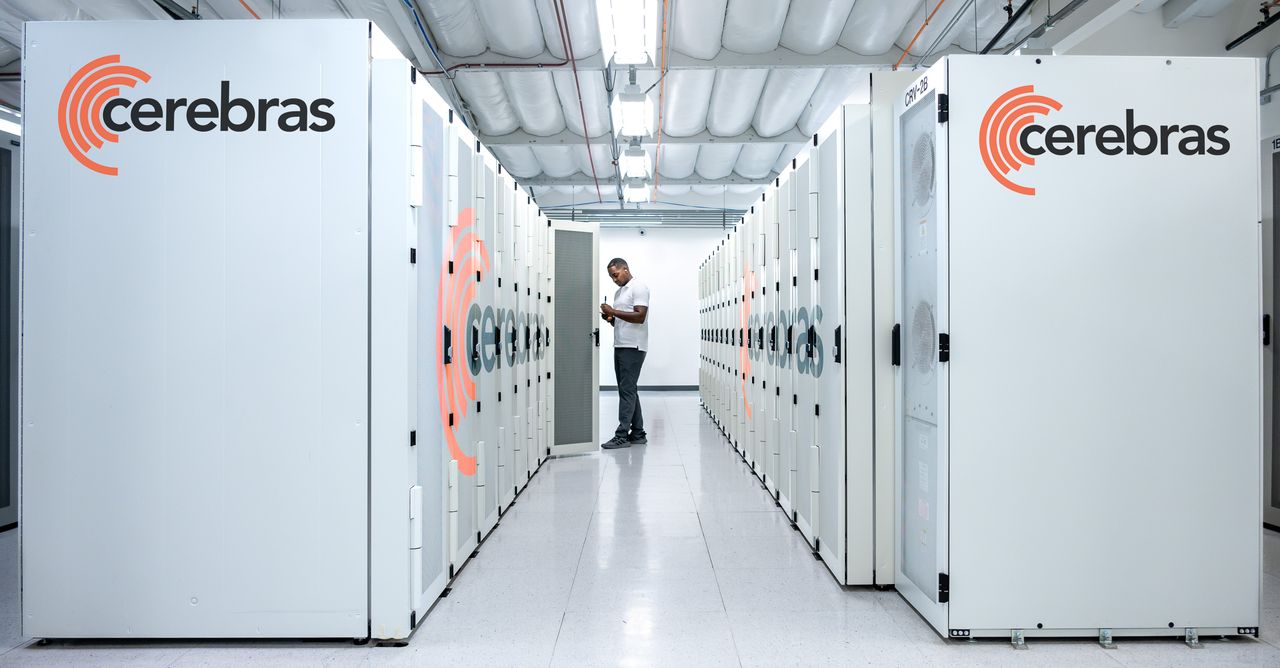
At the heart of this turnaround is the strategic alliance with G42, the Abu Dhabi-based AI powerhouse. This partnership has evolved beyond a standard supplier relationship; it is a foundational pillar that shapes Cerebras’s entire supply chain and long-term roadmap. G42’s commitment to building massive AI clusters, such as the Condor Galaxy series, has provided the predictable demand needed to scale manufacturing of the Wafer-Scale Engine 3 (WSE-3).
The WSE-3 itself remains a marvel of hardware engineering, boasting 4 trillion transistors on a single 8.5-inch square silicon wafer. By keeping the entire processor on a single wafer, Cerebras avoids the communication latencies inherent in traditional GPU clusters, where data must travel across boards and cables. This architectural advantage translates to superior performance in training large-scale generative AI models, making it an attractive proposition for sovereign AI initiatives and hyperscale research labs.
From a hardware systems analyst perspective, the Cerebras IPO highlights a critical shift in the AI supply chain. The company’s move to profitability suggests that the market is moving past the experimentation phase and into a high-utility phase where speed-to-market for LLM training is paramount. However, the concentration of revenue—where G42 contributes a vast majority of the top line—introduces a geopolitical dimension to the company’s risk profile, especially given US export controls on advanced AI silicon to the Middle East.
Cerebras has managed this by working closely with regulators to ensure compliance while expanding its footprint. The IPO proceeds are earmarked for further R&D into the next-generation WSE-4 and expanding their ‘AI Model Studio’ services. As Cerebras transitions from a private entity to a public company, the industry will be watching whether its wafer-scale approach can sustain profitability without being overly tethered to a single strategic partner, and whether it can effectively erode NVIDIA’s massive moat in the enterprise data center market.