Executive Summary
- In a major strategic reversal, Commodore has abandoned plans to block third-party FPGA firmware, opting for a ‘use at your own risk’ model that protects corporate liability while appeasing the modding community.
Strategic Deep-Dive
The iconic Commodore brand has officially reversed its controversial stance on FPGA firmware lockdowns, a move that highlights the ongoing tension between hardware manufacturers and the modding community. Originally, Commodore intended to implement a secure boot environment that would strictly prohibit the installation of third-party or community-developed firmware on its FPGA-based systems. The rationale centered on preserving hardware longevity and preventing security vulnerabilities associated with unsigned bitstreams.
However, the retro-gaming and computing community, which thrives on customization and open-source contributions, viewed this as a betrayal of the brand’s legacy. Following intense backlash and threats of a boycott, Commodore has conceded, stating that it will no longer actively block users from flashing alternative firmware.
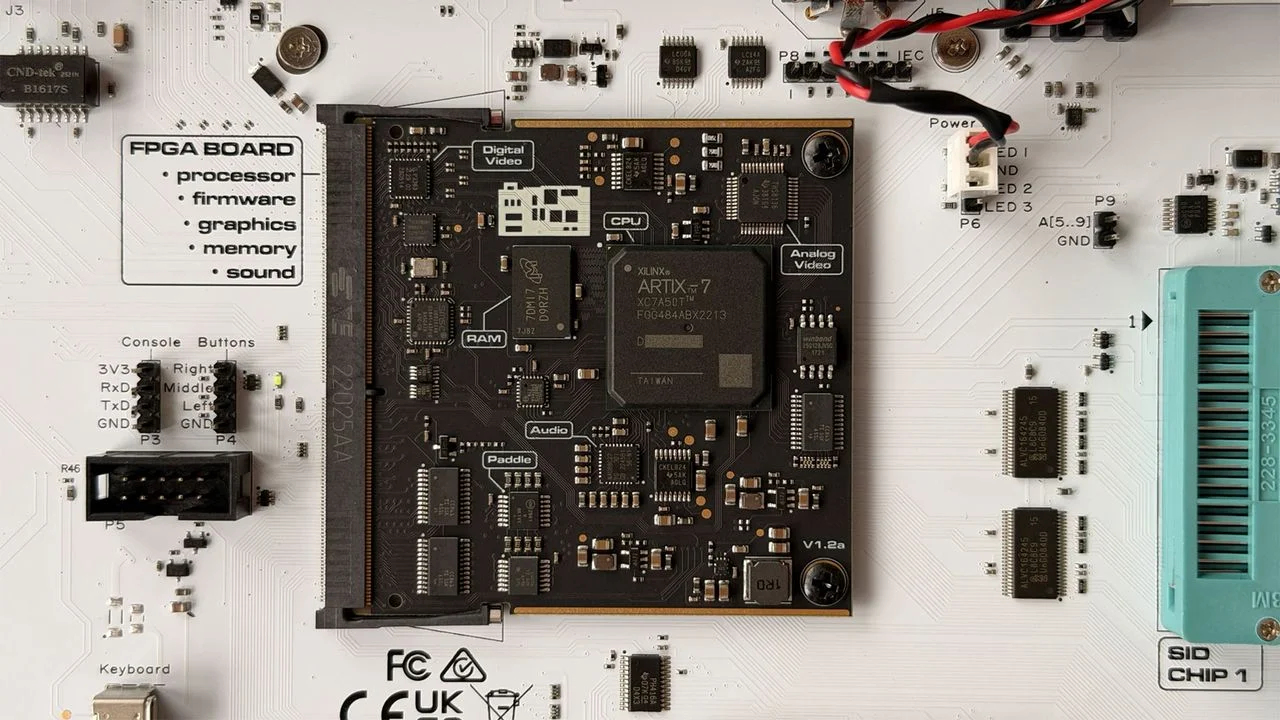
Technically, an FPGA (Field Programmable Gate Array) is a blank slate of logic gates that can be reconfigured via software to mimic any historical chipset. By attempting to lock the firmware, Commodore was effectively limiting the primary value proposition of the hardware. The reversal, however, comes with a total disclaimer of liability: ’no free support or replacement for bricked modded units.’ This decision reflects a broader trend in corporate governance within the hardware sector, where companies are increasingly forced to find a middle ground between intellectual property control and user autonomy.
By allowing third-party firmware, Commodore preserves the hardware’s appeal to its core audience of enthusiasts and developers, ensuring the device’s longevity through community-driven updates.
From a strategic standpoint, this ‘use at your own risk’ model is an effective compromise that shifts the responsibility of quality assurance from the manufacturer to the end-user. By explicitly denying support for modified units, Commodore shields itself from the financial burden of repairing devices damaged by unstable community-coded software or incorrect voltage settings within custom bitstreams. This model is likely to become a standard for niche hardware companies.
It allows them to foster a vibrant ecosystem without the liability of maintaining every possible software configuration. The critique remains, however, whether this trend of offloading support liability will eventually alienate less-technical users who may find themselves with expensive paperweights after a failed community update. Commodore’s retreat serves as a powerful reminder that in the age of programmable hardware, the users often hold as much power as the brand itself, and a locked ecosystem can be a commercial dead end for devices built on the spirit of emulation and historical preservation.