🔍 Executive Summary
- Denso is re-evaluating its pursuit of Rohm as the acquisition bid faces significant resistance and a lack of internal support from the target company, potentially altering the Japanese power semiconductor roadmap.
Strategic Deep-Dive
Strategic Impasse in Automotive Consolidation
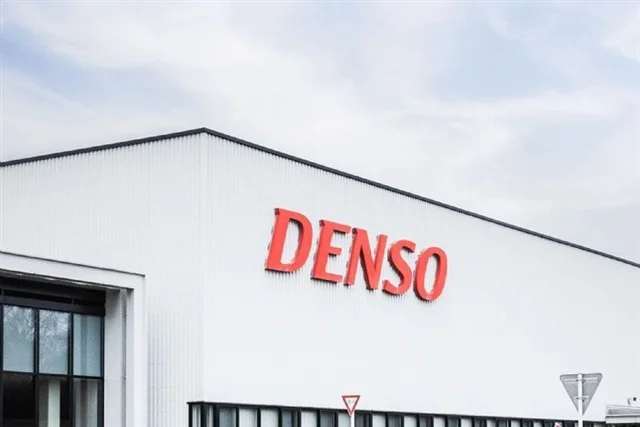
On April 27, 2026, Denso Corporation, a dominant force in the global automotive Tier-1 supplier landscape, signaled a potential strategic retreat regarding its proposed acquisition of Rohm Co., Ltd. This development marks a critical juncture for the Japanese semiconductor and automotive industries, which are currently grappling with the rapid transition toward electrification. Denso’s bid for Rohm was not merely a financial maneuver but a calculated attempt to internalize the production of Silicon Carbide (SiC) power MOSFETs—components that are increasingly becoming the bedrock of electric vehicle (EV) efficiency and range.
However, the announcement that Denso is considering a withdrawal highlights a fundamental failure to secure the necessary institutional support from Rohm’s management and stakeholders.
The Silicon Carbide Imperative and Cultural Friction
The logic behind the acquisition was rooted in the technical superiority of wide-bandgap materials. SiC semiconductors offer significantly lower switching losses and higher thermal conductivity compared to traditional silicon, allowing for smaller, lighter, and more efficient power inverters. As rivals like Tesla and BYD continue to tighten their grip on internal semiconductor supply chains, Denso viewed the acquisition of Rohm—a specialist with a robust SiC roadmap—as a vital defensive and offensive move.
Yet, the friction encountered underscores the conservative nature of Japanese corporate governance. Rohm’s leadership, prioritizing long-term independence and wary of being absorbed into the vast Denso ecosystem, appears to have resisted the overtures. This resistance created a deadlock, where the synergy of a combined entity was overshadowed by the risks of a fractured integration and cultural misalignment within the R&D departments.
Implications for the Global Power Semiconductor Market
If Denso proceeds with the withdrawal, the implications will ripple across the global power semiconductor landscape. The move suggests that the anticipated consolidation of the Japanese power chip sector—intended to create a national champion capable of competing with European giants like Infineon and STMicroelectronics—may be delayed indefinitely. For Denso, the failure of this bid means it must quickly pivot to alternative strategies, which could include aggressive expansion of its internal ‘Mirise Technologies’ joint venture or seeking new partnerships with other players like Mitsubishi Electric.
Meanwhile, Rohm faces the challenge of scaling its SiC production capacity independently in a capital-intensive environment where economy of scale is paramount. This strategic setback for Denso may also provide an opening for non-Japanese competitors to secure supply agreements with Rohm, potentially diluting the ‘all-Japan’ semiconductor strategy that the Ministry of Economy, Trade and Industry (METI) has long encouraged. Ultimately, this withdrawal reflects a pragmatic realization by Denso that in the fast-moving EV sector, a failed integration is more costly than no integration at all.