Executive Summary
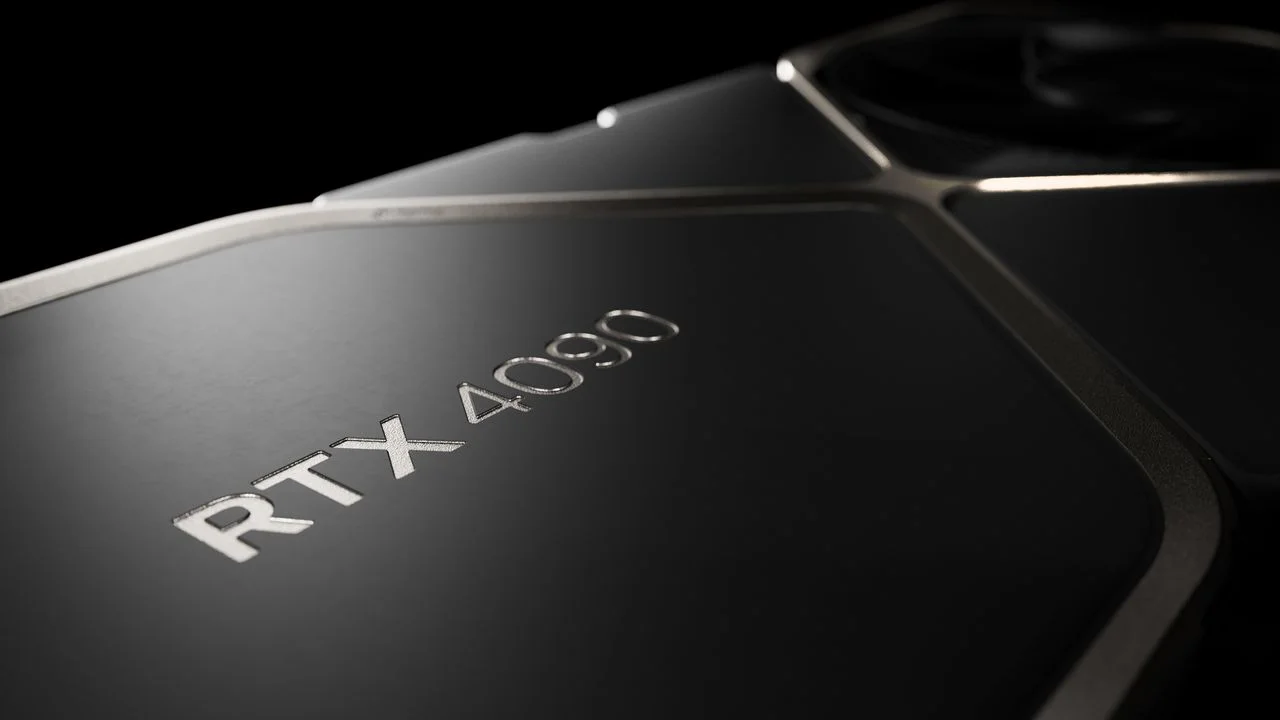
- A high-end Asus ROG Strix 4090 sent for repair was revealed to be a non-functional ‘dud’ featuring sophisticated laser-etched fake VRAM and GPU core markings that mimic factory-level production.
Strategic Deep-Dive
The landscape of hardware counterfeiting has reached a disturbing and professionalized new milestone. Northwest Repair, a specialist in high-end component restoration and forensic hardware analysis, recently encountered a case involving an Asus ROG Strix GeForce RTX 4090 that redefines the concept of a ‘fake’ product in the semiconductor industry. Unlike the crude replicas of the past—which often relied on plastic shrouds hiding inferior PCBs—this specific card utilized a genuine-looking PCB and a high-quality cooler, but the silicon at its functional heart was a meticulously crafted deception.
Upon microscopic inspection and forensic cleaning of the thermal paste, it was discovered that the GPU core and the VRAM modules were not original 4090 components. Instead, the scammers had used inferior or dead chips and employed industrial-grade laser etching equipment to replicate the exact font, positioning, and data markings found on authentic Nvidia AD102 dies and high-speed GDDR6X memory modules.
This ‘factory-level’ execution indicates that the perpetrators possess access to precision equipment typically reserved for legitimate semiconductor packaging, assembly, and testing (OSAT). The technical depth of the scam is profound; the card was essentially a Frankenstein of dead parts designed to bypass the visual and basic electrical inspections common in second-hand marketplaces and even some warehouse returns. For the unsuspecting customer, the hardware appears flawless until it is installed and fails to post.
Even a skilled technician performing a resistance test on the power delivery (VRM) phases might be fooled initially if the scammer utilized a donor board from a lesser functional card. This incident highlights a massive vulnerability in the high-end GPU market, where the RTX 4090 remains a primary target due to its high MSRP and sustained scarcity in certain regions.
From an analyst’s perspective, this escalation suggests that physical security features—such as tamper-evident stickers and warranty seals—are now entirely insufficient. As global demand for AI-capable hardware and high-end gaming silicon surges, the economic incentive for such elaborate fraud increases exponentially. This situation poses a significant challenge for ASUS and other board partners regarding warranty policies; if a customer unknowingly buys a counterfeit and sends it in for RMA, the manufacturer faces the difficult task of denying service for a product that looks authentic on the surface.
Furthermore, this trend could force a shift toward blockchain-based hardware verification or digital ‘fingerprinting’ where the GPU’s internal firmware must cryptographically handshake with a manufacturer’s server to prove authenticity. The difficulty in identifying these fakes, even for experienced repair professionals, underscores a growing need for greater transparency in the secondary market and a move toward integrated silicon-level hardware roots of trust. As the gap between consumer demand and supply continues to be exploited, the sophistication of these hardware scams is only expected to increase, potentially targeting even more lucrative segments like HBM3 memory stacks and enterprise AI accelerators.
Strategic Insights
The emergence of factory-level hardware fraud indicates a paradigm shift from superficial replicas to structural, silicon-level deception. This escalation suggests that supply chain security must move beyond external packaging toward integrated, firmware-locked hardware authentication to protect consumers and brand integrity in an increasingly predatory global secondary market.