Executive Summary
- Intel is redefining manufacturing efficiency by converting what would traditionally be considered ‘scrap’ into revenue-generating ’low-expectation’ CPUs. This pragmatic shift in yield management is being met with surprising acceptance from a market desperate for silicon, allowing Intel to bolster its bottom line while meeting high-volume demand for lower-tier hardware.
Strategic Deep-Dive
From Waste to Wealth: Analyzing Intel’s ‘Low-Expectation’ Silicon Strategy
In the high-stakes world of semiconductor fabrication, the phrase ‘scrap’ has historically been synonymous with failure. Every millimeter of silicon that fails to meet the stringent criteria for speed, thermal efficiency, and core stability is typically discarded, representing a total loss of the energy and material invested. However, Intel is currently orchestrating a strategic pivot that challenges this manufacturing orthodoxy.
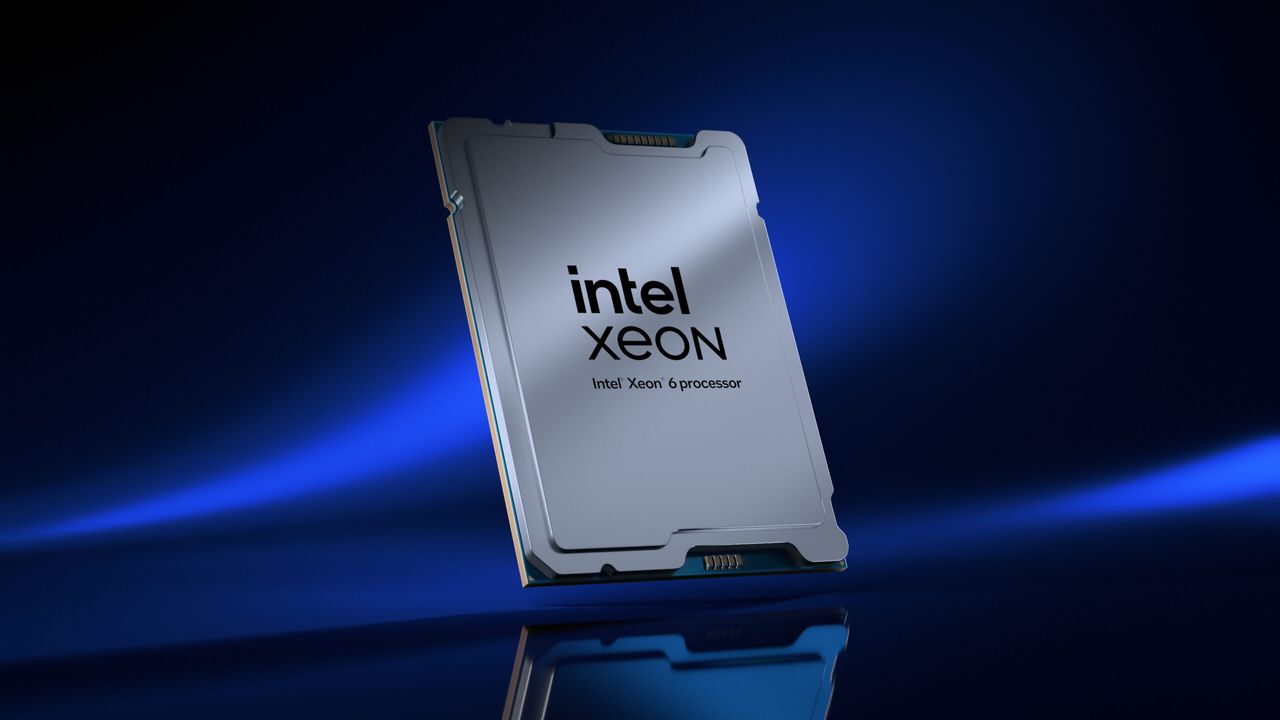
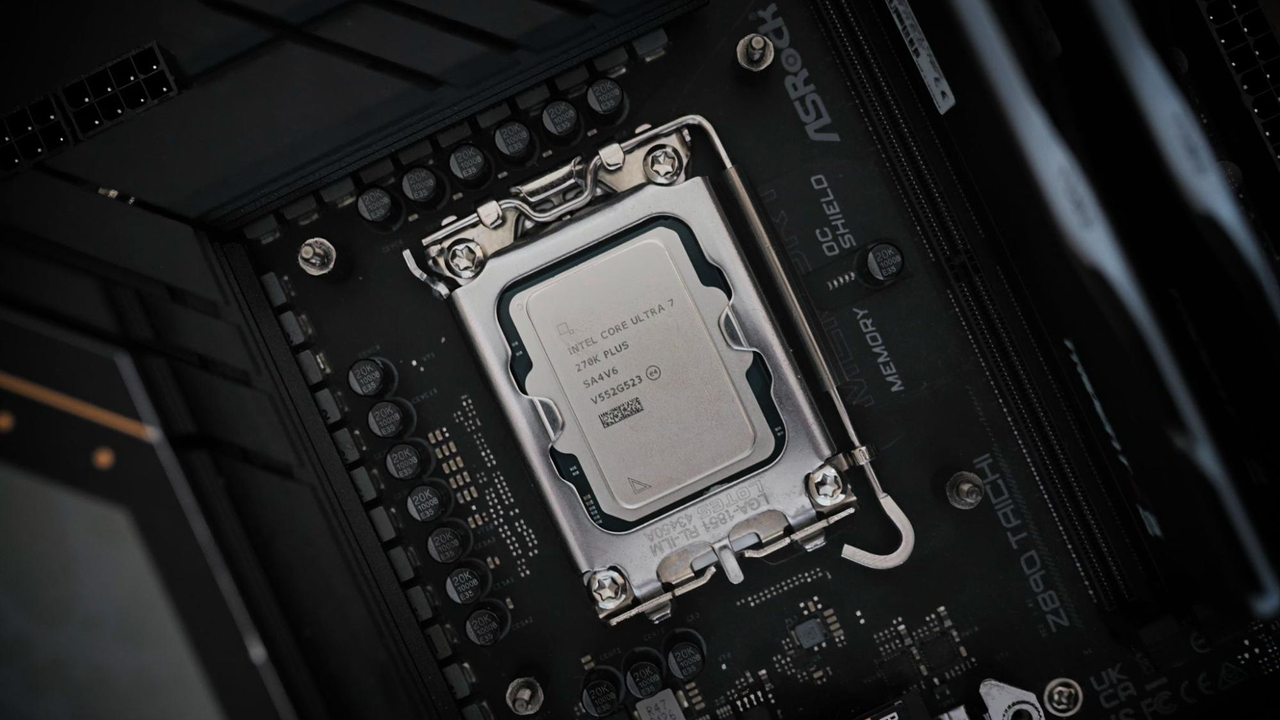
By rebranding sub-par silicon as ’low-expectation’ CPUs, the company is successfully monetizing what was once considered industrial waste.
This shift, confirmed by Intel’s investor relations department, is a response to a unique macroeconomic alignment: an insatiable demand for processing power coupled with a global supply chain that remains stretched to its limits. In this environment, the customer’s priority has shifted from seeking the ‘best possible’ chip to acquiring any ‘functional’ chip available. This behavioral change allows Intel to sell processors with lower clock speeds, higher thermal envelopes, or fewer active cores to market segments where peak performance is not a mission-critical requirement.
Enterprise fleets, educational institutions, and industrial IoT sectors are increasingly accepting these ’low-expectation’ parts to maintain their deployment schedules.
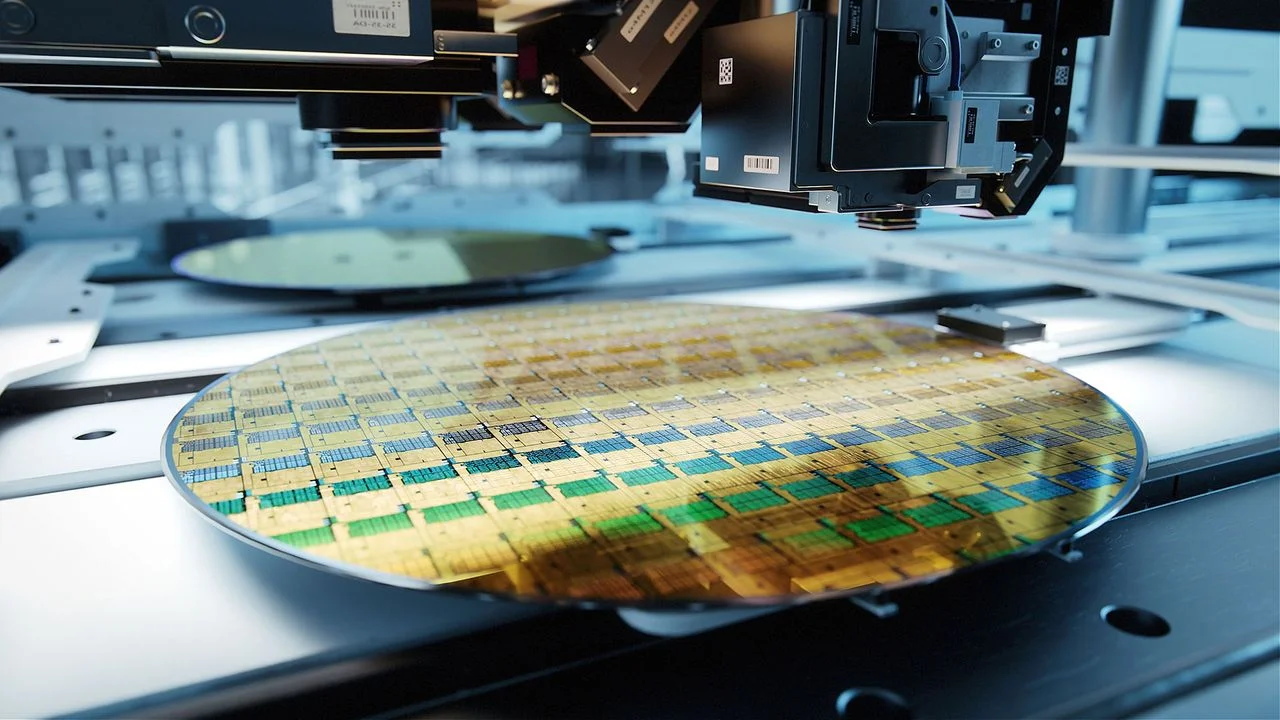
Technically, this is an advanced application of ‘binning,’ a process where chips are sorted by quality. However, Intel’s current approach goes deeper, effectively lowering the floor for what constitutes a marketable product. This has a direct and positive impact on Intel’s financial reporting.
By increasing the ratio of sellable chips per wafer—known as the ’effective yield’—Intel can report higher margins and better factory utilization. For a company navigating the complex transition to its 18A and beyond manufacturing nodes, every percentage point gained in marketable yield is worth hundreds of millions of dollars in recovered revenue.
Moreover, there is an environmental dimension to this pragmatic strategy. The semiconductor industry is under increasing pressure to reduce its carbon footprint. Scrapping a large percentage of manufactured silicon is inherently wasteful.
By finding a commercial home for lower-quality dies, Intel is maximizing the utility of every wafer produced, aligning its profit motives with a more sustainable resource management model. This approach also helps to stabilize price points in the budget-conscious consumer market, providing an alternative to the spiraling costs of flagship hardware.
However, the risks are not negligible. Selling hardware with ’low expectations’ requires a delicate balance in branding. Intel must ensure that these chips are stable and reliable, even if they are not fast.
There is also the threat of long-term brand dilution; if the market becomes flooded with sub-optimal silicon, Intel’s reputation for engineering excellence could be challenged by competitors who might stick to more rigid quality standards. Regardless, in the current climate of desperate demand, Intel’s scrap-to-revenue model is a masterclass in supply chain pragmatism. It proves that in a world starving for compute, even the most imperfect transistor has a price tag.