Executive Summary
- The shift toward open-source smart speakers powered by ESP32-S3 hardware represents a move toward local-first AI, ensuring data sovereignty and removing corporate cloud dependencies while maintaining high-performance voice interaction.
Strategic Deep-Dive
The contemporary smart home ecosystem is increasingly defined by its reliance on the cloud, a design choice that prioritizes corporate data harvesting over user privacy. Devices like Amazon Alexa and Google Home act as persistent microphones that funnel private domestic data into black-box servers. For those of us in the technical community, the response to this surveillance model is clear: a radical shift toward local-first architecture and open-source hardware.
This is not just about ‘de-googling’ for the sake of ideology; it is about engineering a reliable, sovereign, and idempotent home automation system.
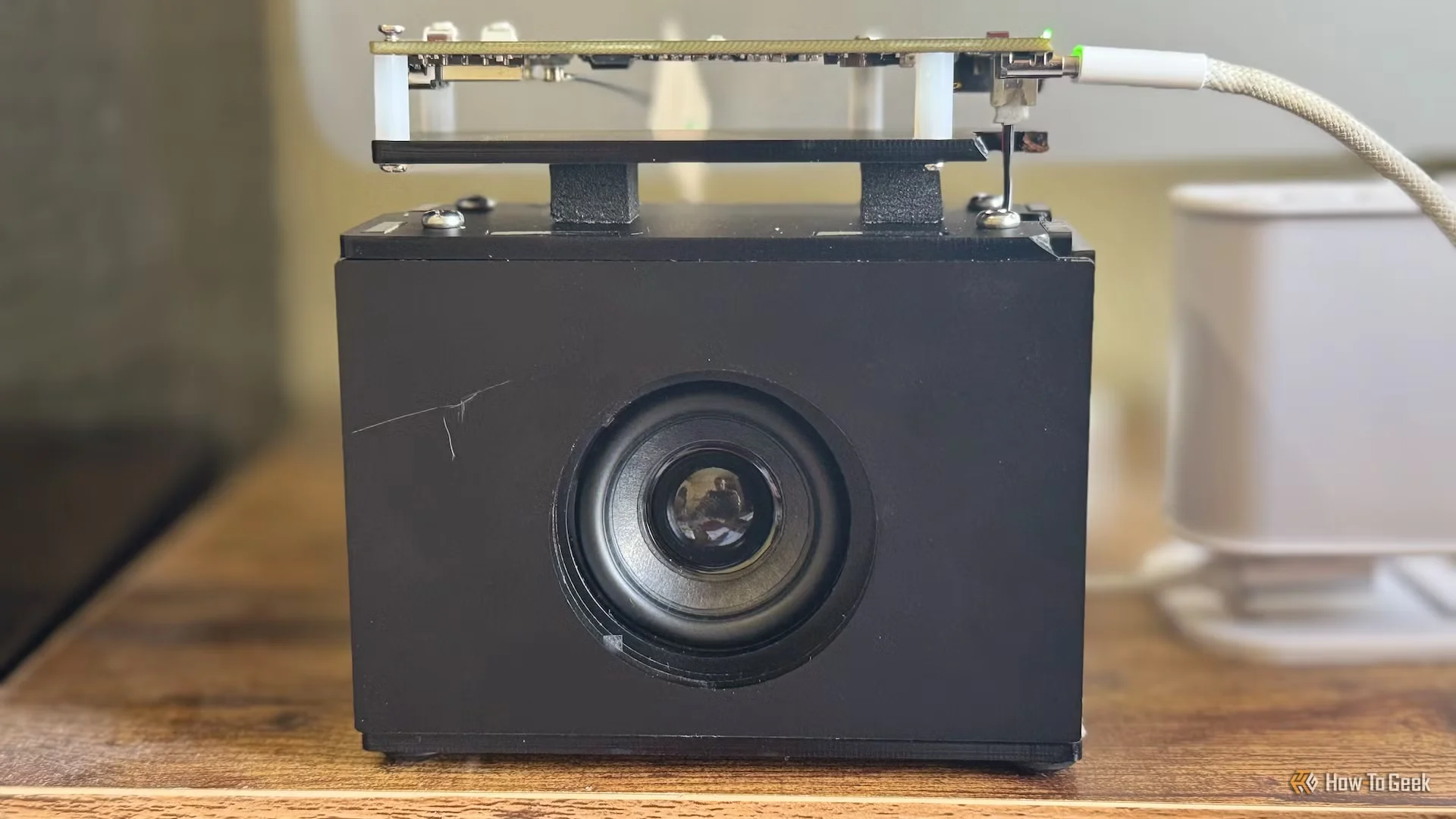
The backbone of this DIY revolution is the ESP32-S3 microcontroller. Unlike its predecessors, the S3 variant includes hardware acceleration for AI workloads, specifically vector instructions that significantly enhance the performance of Voice Activity Detection (VAD) and local wake word engines. When paired with high-quality microphone arrays like the ReSpeaker Lite, we can achieve far-field voice recognition that rivals commercial flagships.
By deploying the Wyoming protocol or the Willow software stack, the heavy lifting of speech-to-text (STT) and natural language processing is offloaded to a local server—often a Raspberry Pi or a Home Assistant Green—meaning not a single byte of audio ever leaves the home network.
The technical trade-offs are real: you sacrifice the ‘out-of-the-box’ polish of a commercial UI and the deep integration of proprietary services like Spotify or Amazon Shopping. However, the gains in autonomy are profound. A local-first setup is immune to ISP outages, server-side latency spikes, and the eventual ‘bricking’ of devices when a company decides a product is no longer profitable to support.
From a systems architecture perspective, this move represents a transition from a centralized, vulnerable service model to a distributed, resilient tool-based model. Once you have built a responsive voice interface that answers only to you, without the risk of corporate eavesdropping, the convenience of commercial speakers feels like a poor bargain. The satisfaction of maintaining your own private, local AI infrastructure is the ultimate reward for the modern privacy-conscious engineer.